








The first time I wore a turban headwrap out of the house — not just to the kitchen to make coffee, but actually out — I wore it to a farmers’ market and felt like I was in costume. Nobody said anything. A few people smiled in that polite way that means nothing. It wasn’t until I wore the same wrap to a 1940s swing dance that I understood the difference. Two women recognized the style immediately. One adjusted the front fold for me without asking, the way a friend would fix your collar. That was the moment I stopped thinking of it as an accessory and started thinking of it as a language.
Worn Alone vs. Worn Among People Who Know It
There’s nothing wrong with wearing vintage silhouettes alone. I do it constantly. But there’s a particular kind of joy that only happens when you walk into a room and someone clocks your neatly folded turban headwrap and raises an eyebrow — not in confusion, but in appreciation. Recognition. It changes the object entirely.
The turban as a wartime and postwar accessory was practical — it kept hair out of factory machinery, it looked polished when pin curls weren’t done, and it was fast. Women who wear them in 2026 are keeping that context alive, whether consciously or not. And the communities built around vintage style are genuinely one of the best places I’ve found to explore that history without needing to explain yourself every five minutes.
The look reads completely differently in those spaces. That’s what I want to talk about here — not how to tie a turban (though we’ll get there), but where these looks breathe properly. Where they make sense. And how to find your way in.
Weekenders
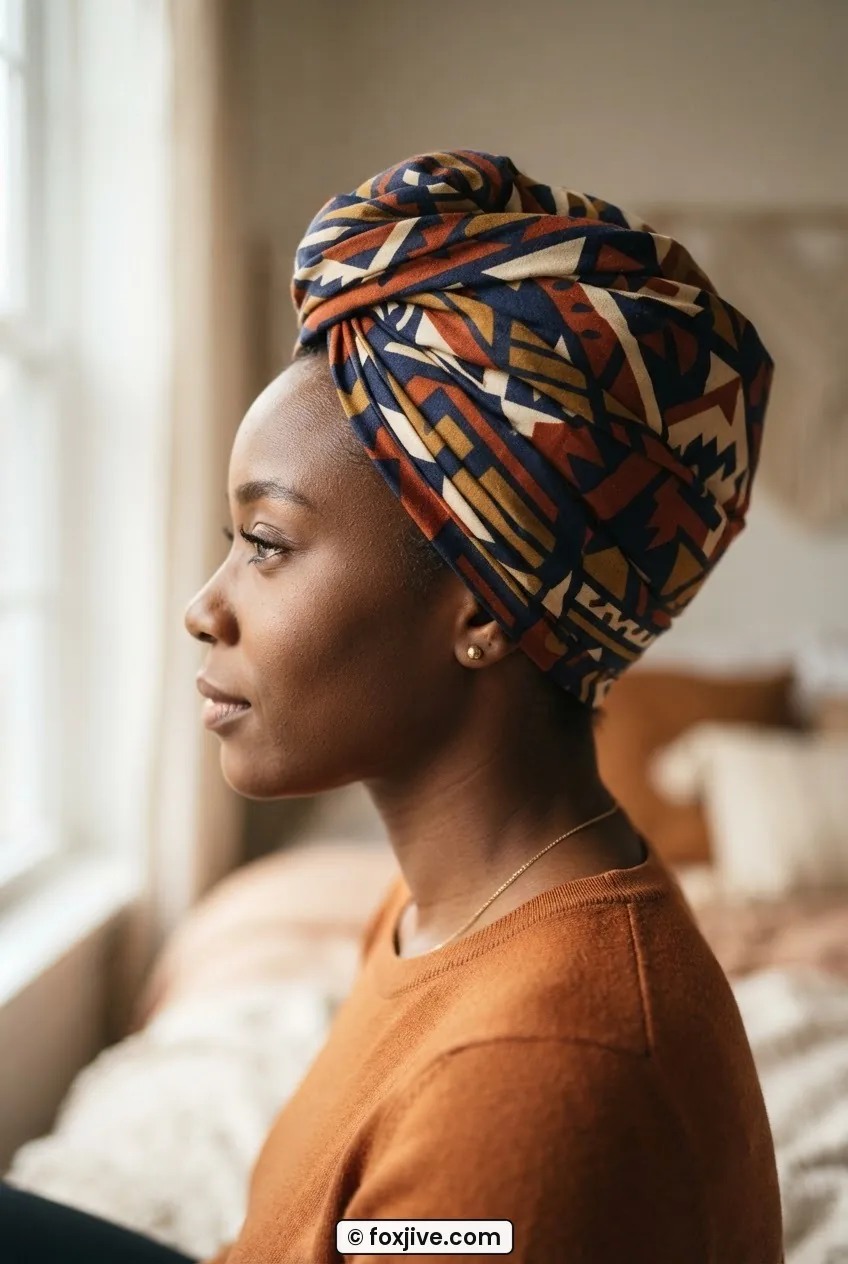
Car shows. Vintage fairs. Flea markets with a dedicated antique clothing section. These are what I think of as weekender events — low-stakes, mostly outdoors, nobody expecting full period accuracy. They’re also, in my experience, the friendliest entry point for someone who’s just starting to wear historical styles in public.
At a weekender, a cotton scarf turban in a bold print is completely at home. Nobody is grading your historical accuracy. People are there to enjoy the aesthetic, buy old things, maybe eat something from a food truck. The vibe is celebratory and relaxed. I’ve seen women in impeccable 1940s day dresses standing next to women in jeans and a vintage blouse with a headwrap, and everyone just gets on with it.
What actually gets worn at these events? A lot of the structured turban cap style — the kind that sits close to the head and shows just a little front wave or roll underneath. Sometimes a knotted silk square. Occasionally a dramatic draped style that references Old Hollywood. The looseness of the format means you can experiment without feeling like you got the homework wrong.
One thing I noticed: the women who get the most compliments at weekenders are usually the ones who’ve committed fully to one cohesive look rather than mixing and matching nervously. A great turban headwrap with a solid-color blouse and high-waisted trousers reads instantly. That confidence in simplicity is its own kind of expertise.
Dance Nights
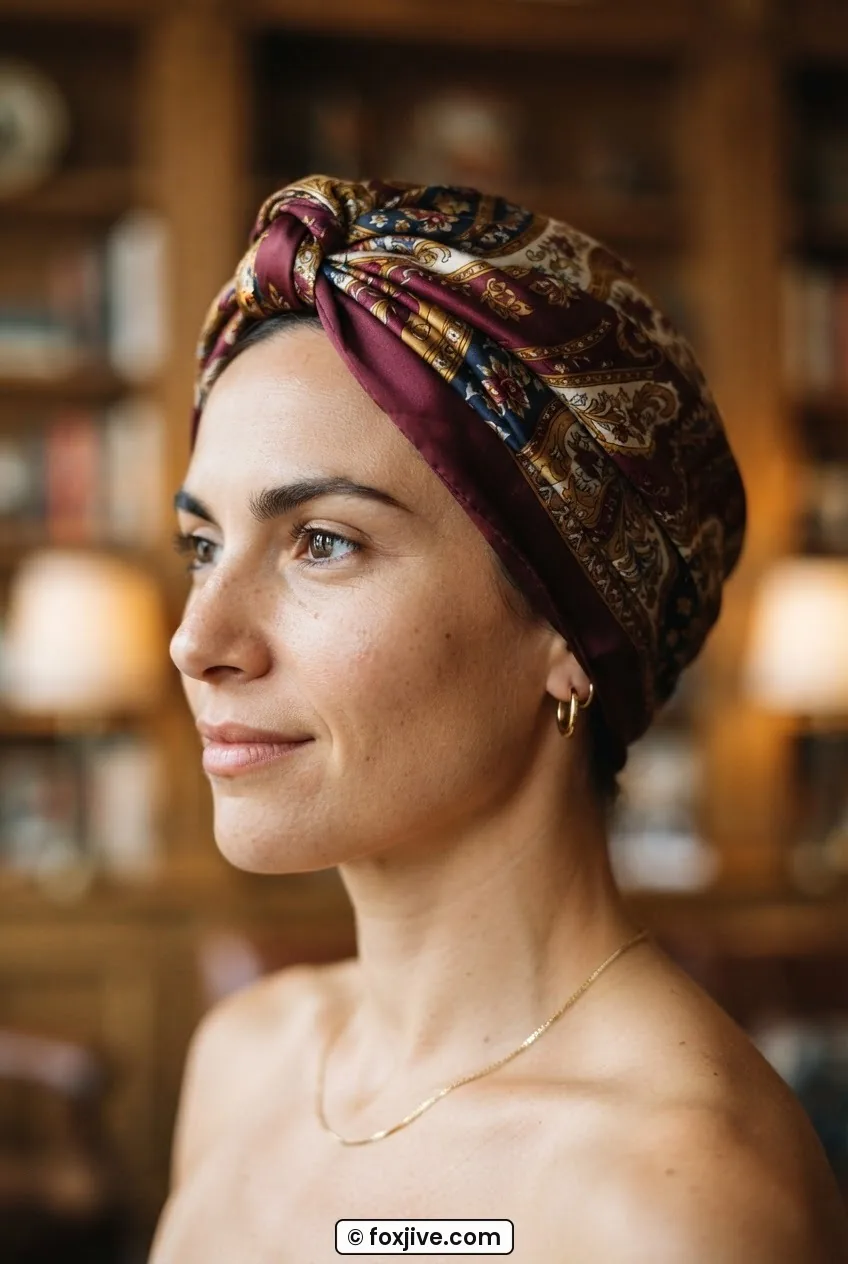
This is where it gets serious. Not serious in a judgmental way — but the swing and lindy hop revival scene, the 1940s-themed ballroom nights, the wartime dances that happen in actual town halls with actual live bands — these events attract people who have done their research. And honestly? That’s a wonderful thing. It means the room is full of women who know exactly what they’re looking at when you walk in.
At dance nights, accuracy matters more — but not as a gatekeeping mechanism. More as a shared language. Understanding that certain turbans were day wear rather than evening wear, knowing that a heavily beaded construction belongs to a specific postwar moment — these details are the things people want to talk about over the interval drinks. They’re conversation starters, not tests.
I’ll say this though: my unpopular opinion, which I’m going to defend fully, is that accuracy obsession can kill the fun. I’ve watched newcomers get quietly corrected about the provenance of their headwrap fabric in a way that made them shrink. That’s not preservation — that’s gatekeeping with a vintage costume on. The historical garments we’re referencing were worn by real women making do with whatever they had. A little irreverence is period-accurate.
The other thing about dance nights specifically: the turban headwrap is genuinely practical here. Your hair stays put through the jive. No pins flying across the floor. Women who wear them to dance events often have a completely utilitarian reason alongside the aesthetic one — and that double-purpose thinking is very 1940s, which I love. If you’re curious about the wider 1940s styling world that surrounds these nights, the Victory Rolls styling tradition is worth exploring as its own rabbit hole — it sits right alongside the headwrap in terms of era and feel.
A Tying Tutorial That Changed How I Think About It
Online, Which Is Its Own Thing
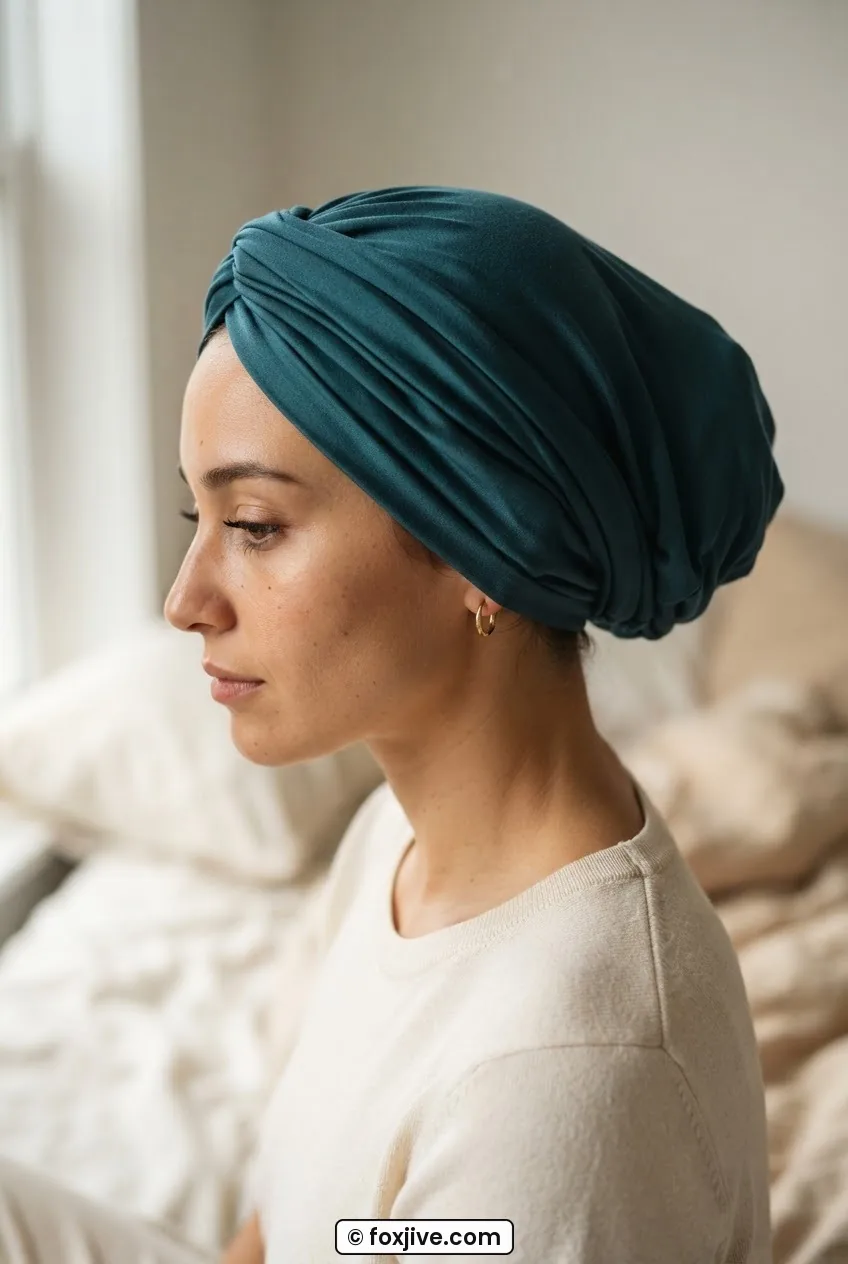
The vintage community online is simultaneously the most welcoming and the most overwhelming place to learn about any of this. There are incredible resources — Facebook groups with tens of thousands of members sharing their market finds, Instagram accounts that are basically walking encyclopedias of decade-by-decade silhouettes, YouTube channels where women demonstrate exactly how to fold and tuck a head turban into a proper 1940s knot.
But online also has a way of making everything look more intimidating than it is. When you’re scrolling through photos of women in perfectly assembled wartime outfits with impeccably tied headwraps, it’s easy to feel like you’re already behind. You’re not. Every single one of those women wore their first turban wrong in some way and figured it out.
The online spaces I’ve found most useful are the smaller ones, honestly. Not the massive groups where posts get buried, but mid-sized communities organized around specific decades or specific activities — vintage sewing, vintage dance, vintage beauty routines. These are the places where you can ask genuinely beginner questions about tying a scarf turban and get three detailed, enthusiastic answers within an hour.
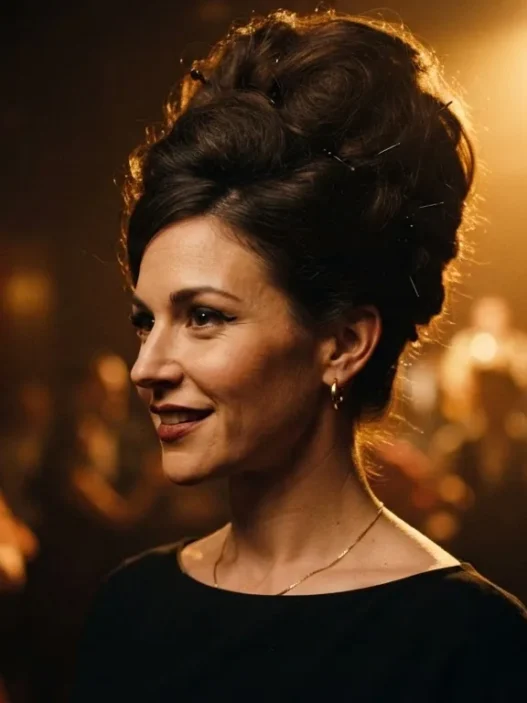
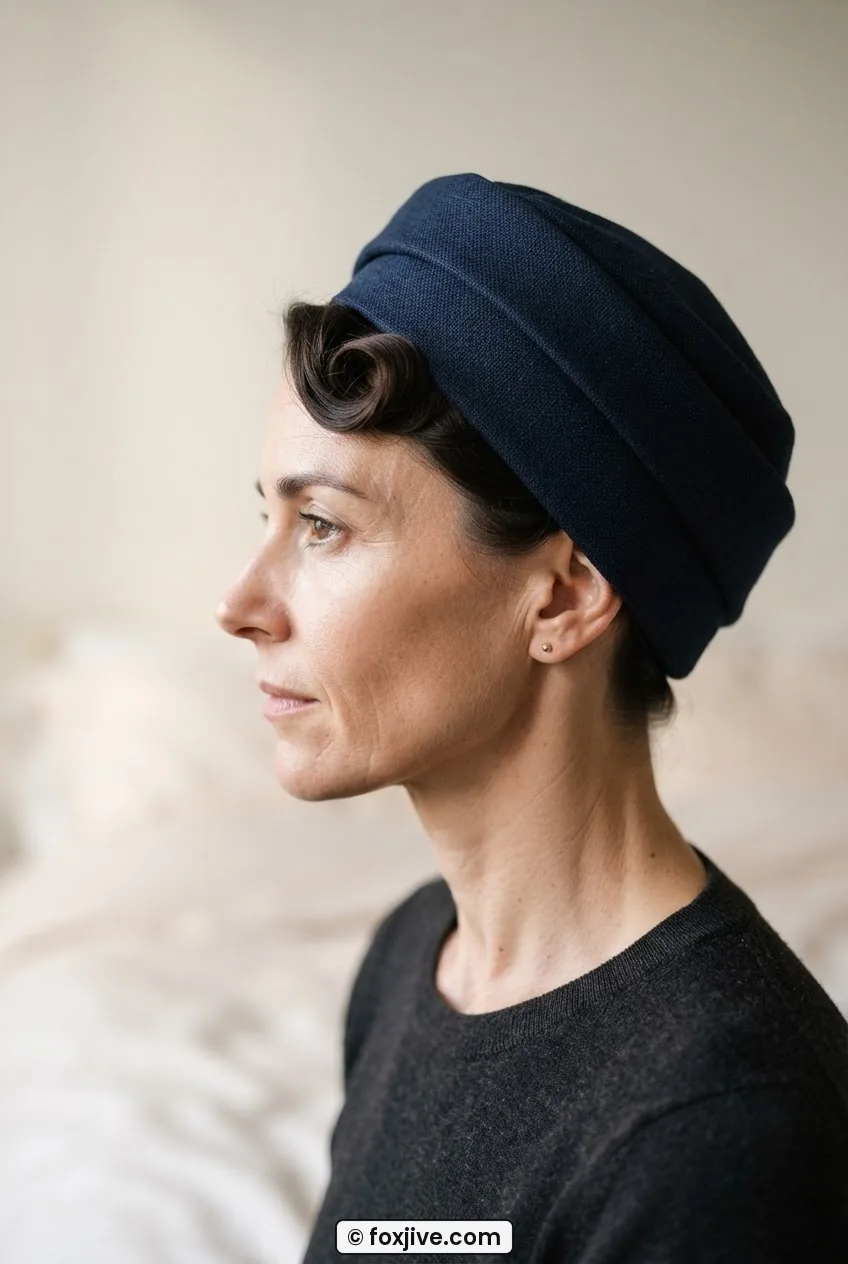
Look at the woman in the photo below — that way the wrap is sitting slightly loose at the back but perfectly anchored at the front is exactly the kind of technique detail that gets discussed at length in those communities. It’s such a small thing. It makes the whole style look deliberate rather than hasty.
Entering a Scene Without Embarrassment
Here’s what I wish someone had told me: nobody expects you to arrive fully formed. The vintage and retro communities, in my experience, are among the most generous hobby spaces I’ve ever encountered — partly because they know what it feels like to be the person who showed up to their first event with something slightly off.
A few things that actually helped me:
- Go to one event before you buy anything new. Just watch. See what people are actually wearing vs. what Pinterest suggests. The real scene and the curated online version of it are close but not identical.
- Ask questions in person, not just online. People at events love to talk about where they found things, how they learned to tie a certain knot, which eras they’re most drawn to. It’s genuinely their favorite subject.
- Start with one anchor piece. A single well-chosen turban headwrap with otherwise simple clothes reads as intentional. Building from one strong piece is more legible — and more fun — than trying to assemble a complete look from scratch.
- Get comfortable with variation. There’s no one authentic turban style. The form spans decades, continents, and cultures. The versions popularized in 1940s Western fashion were themselves influenced by a much broader global textile tradition. Turban history in fashion is a genuinely interesting read if you want the fuller picture.
The thing nobody says out loud but everyone knows: wearing vintage is partly about the object and mostly about the attitude. A confidently worn simple wrap beats an anxiously worn elaborate one every time. Walk in like you know exactly what you’re doing, even on the days you’re not entirely sure.
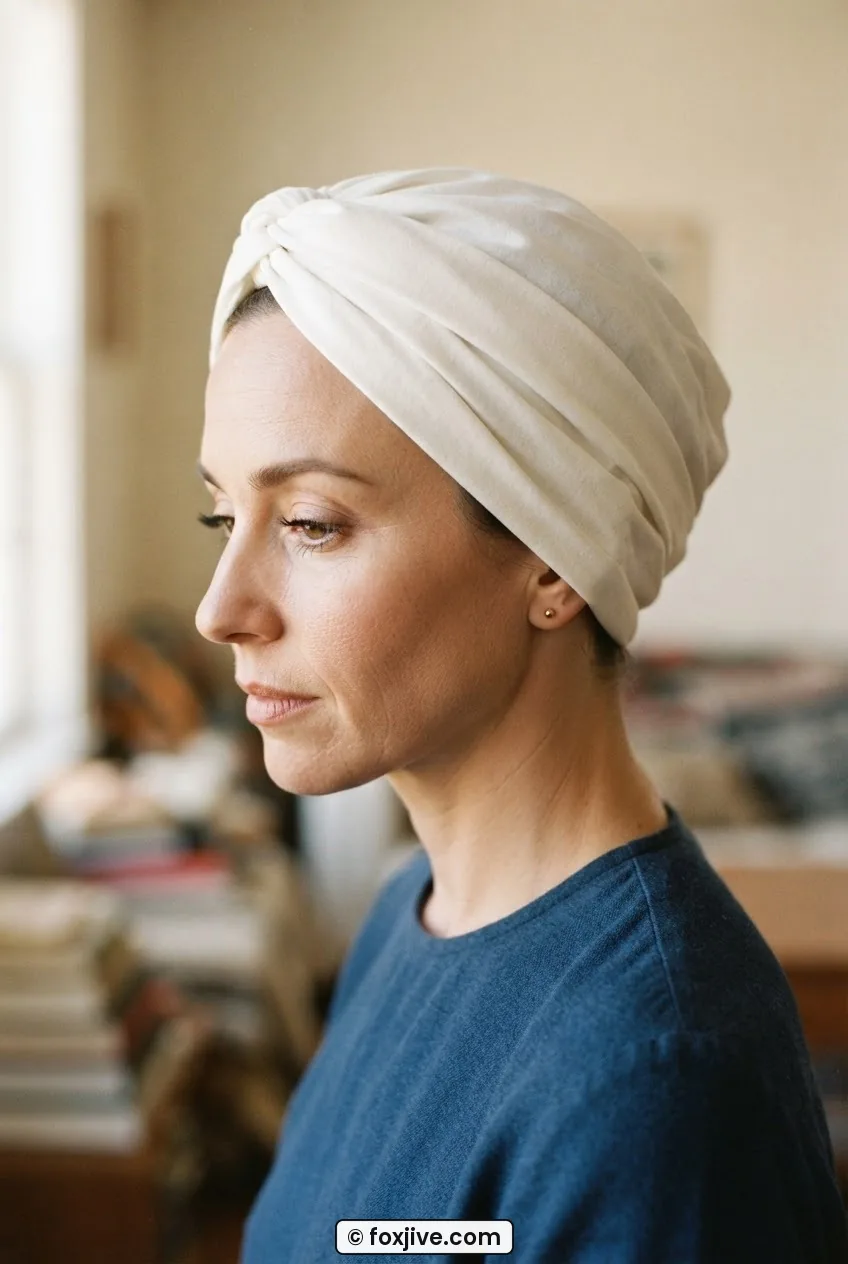
If you’re building out your knowledge of the broader world that vintage headwraps sit in — the whole ecosystem of retro and vintage hairstyling is worth exploring properly, decade by decade. Context makes the individual pieces make more sense.
And on the practical side, understanding how to care for vintage fabrics — particularly silks and rayons that were common for wartime turbans — is worthwhile. Many women in the community recommend learning about caring for vintage silk before buying anything delicate, because the wrong wash ruins a beautiful piece fast.
Questions I Get About This
Do I need to wear a full vintage outfit with a turban headwrap, or can I mix it into modern clothes?
Absolutely not — you don’t need the full ensemble. A turban or head wrap works just as well with a simple modern blouse or even a plain T-shirt as it does with a period-accurate day dress. The vintage community has genuinely moved past the idea that it’s all-or-nothing. Some of the most striking looks I’ve seen at events blend one or two vintage pieces with otherwise contemporary clothes.
How much does the fabric actually matter for getting the style right?
It matters more than people expect, but less than the gatekeepers claim. A silkier fabric drapes and folds more easily into the classic knotted or twisted styles. A stiffer cotton will hold a knot but won’t have that fluid, elegant quality you see in wartime-era photographs. That said, start with whatever fabric you can work with and upgrade as you go — nobody’s inspecting seams at a flea market.
Are there vintage events that are welcoming to complete beginners?
Yes, and they’re more common than you’d think. Outdoor vintage fairs and markets are the most beginner-friendly — no dress code, no expectation of accuracy, just a shared love of old things. Swing dance beginner nights are also designed specifically for people new to both the dance and the aesthetic. Search for “1940s wartime dance” or “vintage fair” in your city and you’ll usually find something within a reasonable drive. If you’re curious about the community behind the content here, the about page has more context on where we’re coming from.
How do I find the right knot or fold style for my face shape?
This is genuinely best worked out through trial and error rather than rules. A high front knot adds height, which can lengthen a rounder face. A flatter, wrapped style suits almost everyone. The best advice I can give is to try several configurations in good light before you head out — and look at reference photos from the era you’re drawing from. The women in those photographs weren’t following a formula; they were solving a problem with what they had, and you can do the same. If you have specific questions about any of this, you’re always welcome to reach out through the contact page.
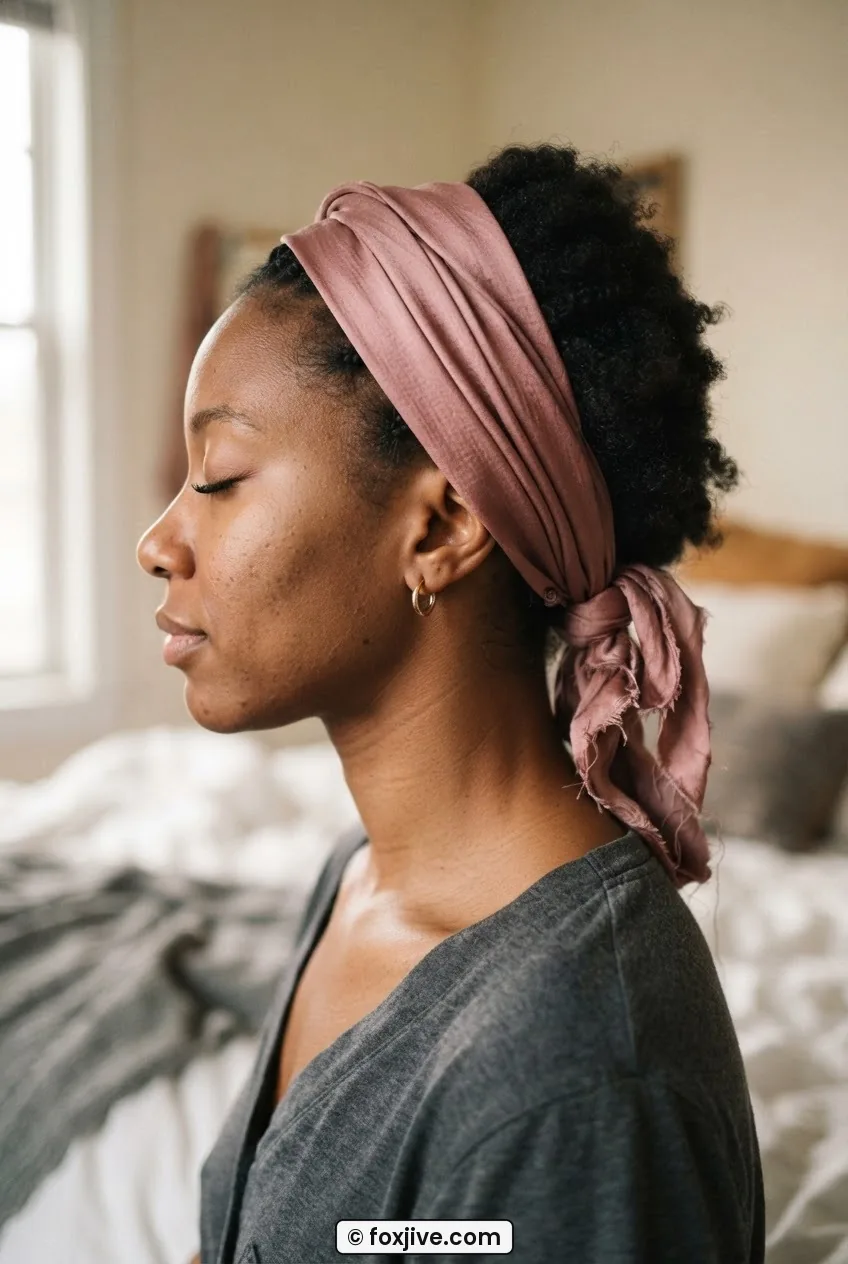
I still have the wrap I wore to that first dance night. It’s a deep teal rayon, slightly too short for a proper full-coverage style, tied in a knot that I now know is only approximately historically accurate. I love it exactly as it is. It reminds me that the point was never perfection — the point was the woman who adjusted it for me, and the conversation we had afterward, and the whole world that opened up from there. Find your event. Wear the wrap. Let people in.