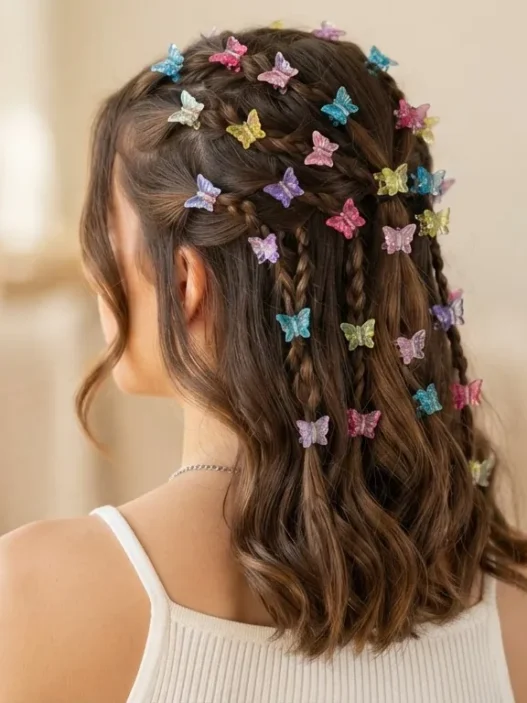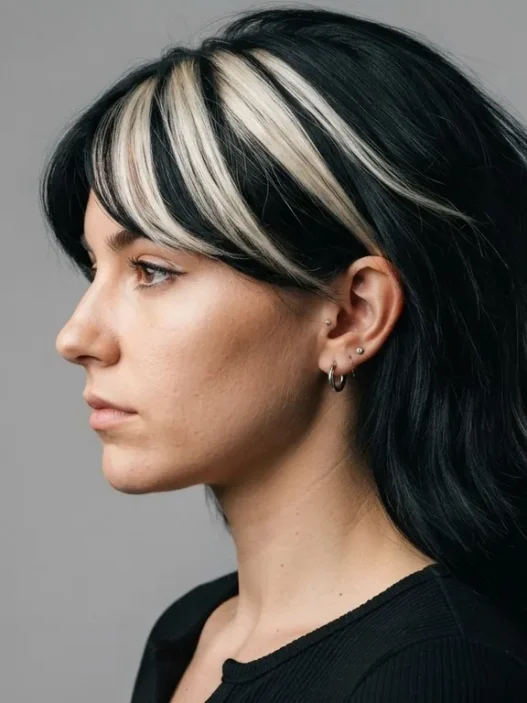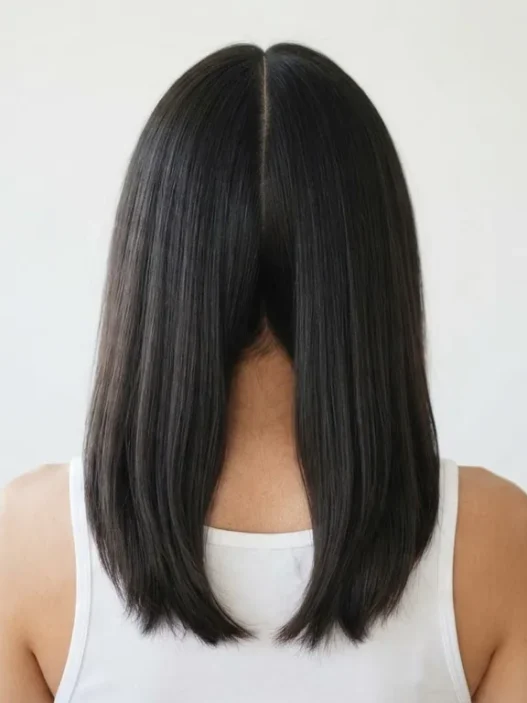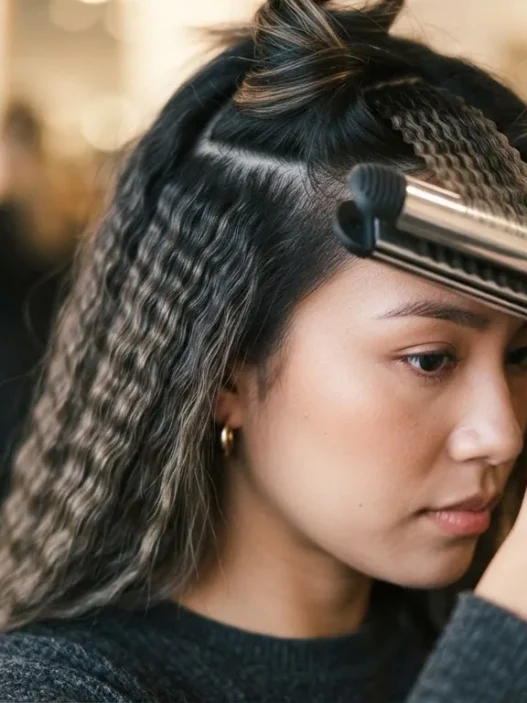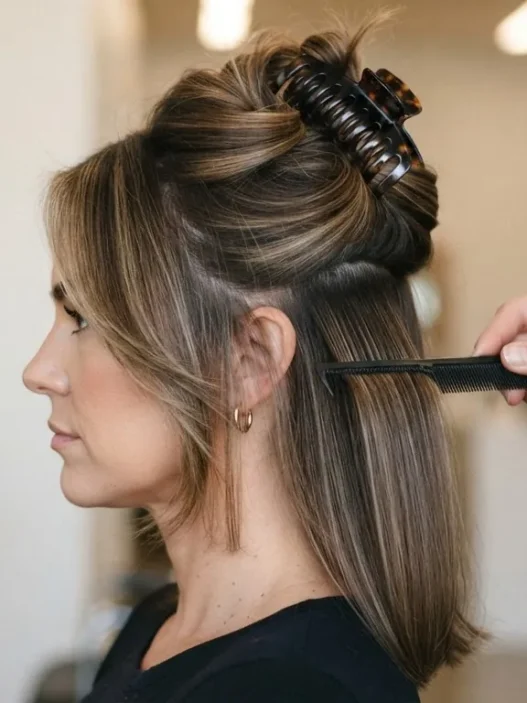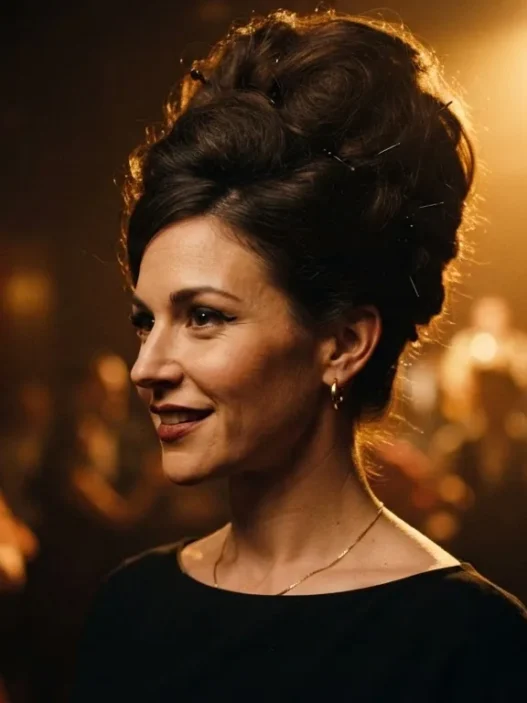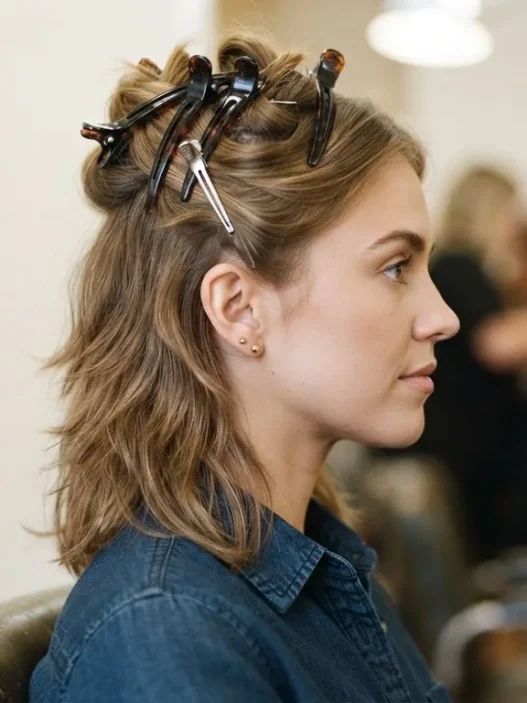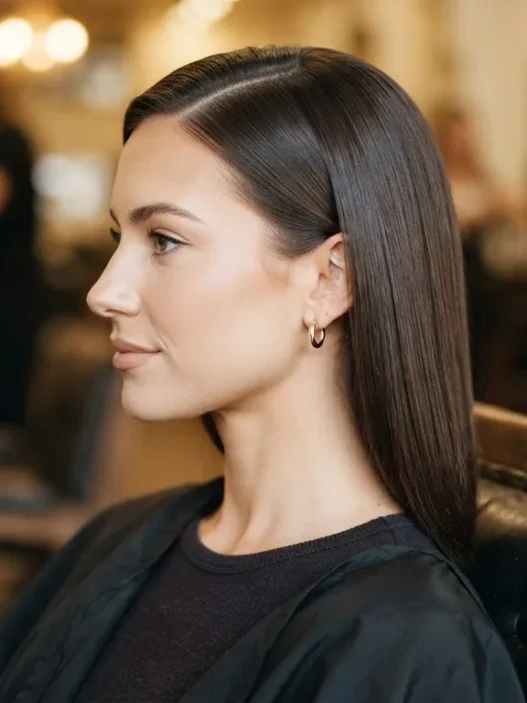




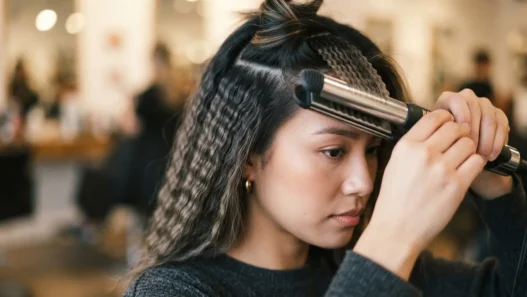

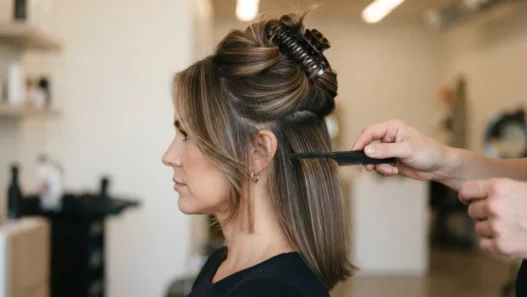

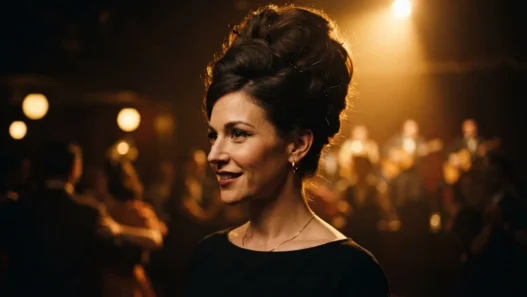

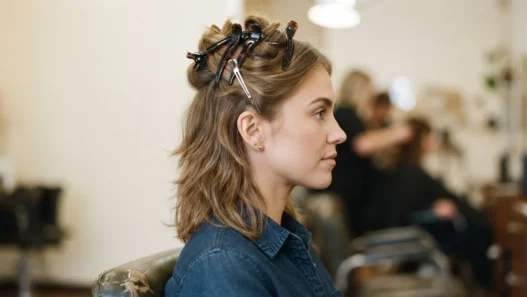
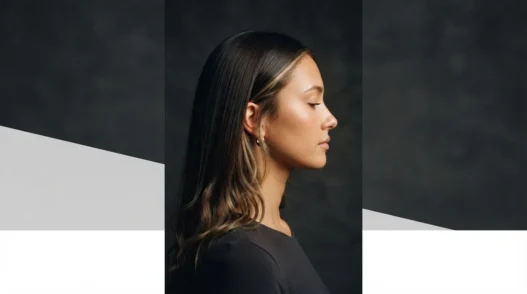
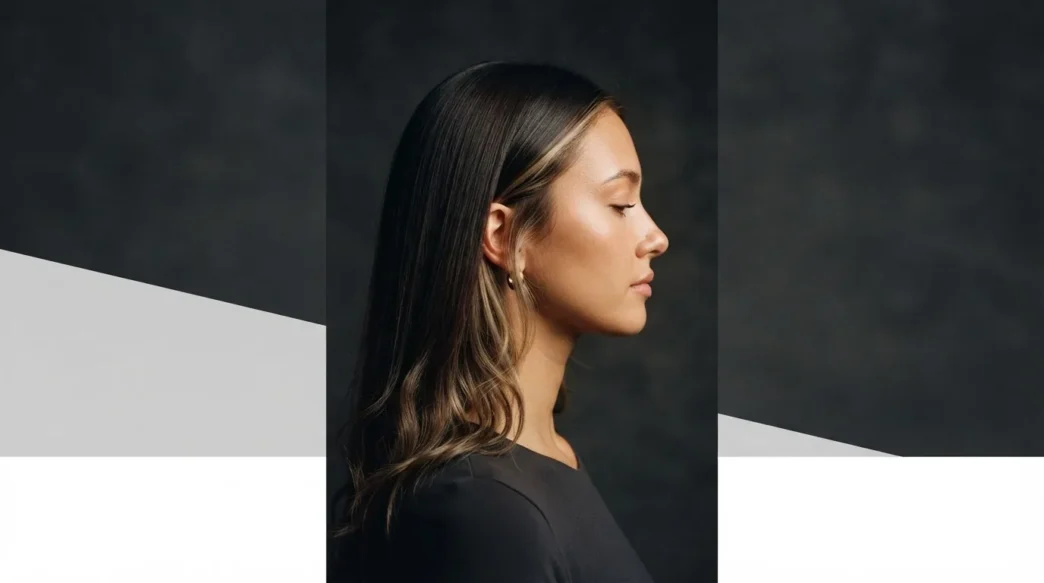
I was scrolling through a client’s Pinterest board last spring — she wanted “something Y2K but not costume” — and I noticed something strange. Every pin she’d saved was subtly different from the 2000s originals. Thicker. Moodier. Less Lizzie McGuire, more editorial. That board has been living rent-free in my head ever since, because I think it showed me exactly where y2k hair is heading — and it’s not back to butterfly clips and crimping irons. At least, not in the way anyone expects.
Where This Forecast Is Going
The Signal That Started This Thought
The Y2K revival has been loudly declared every six months for the past four years. Which means we’re deep enough into it now that the early adopters are already bored. That’s the tell. When the trend-forward crowd starts quietly abandoning a look, it doesn’t die — it migrates. It moves from the fashion-obsessed to the masses, sure, but simultaneously it mutates at the top end. The people who were first to bring back frosted tips and chunky highlights are now doing something more considered with the same visual vocabulary.
That’s the signal. Not a single runway moment or a viral video. It’s the pattern of what happens to every retro revival once it peaks.
I’ve been watching the same thing happen to 1940s-era styles — the way victory rolls went from pure costume territory to genuinely chic editorial choices over about three years. Y2K is on a faster timeline because social media compresses everything, but the shape of the arc is identical.
What the Runways Did
The runway evidence for where this is heading is actually more coherent than I expected when I started tracking it. A few things keep showing up, season after season, in the collections that tend to set the agenda rather than follow it.
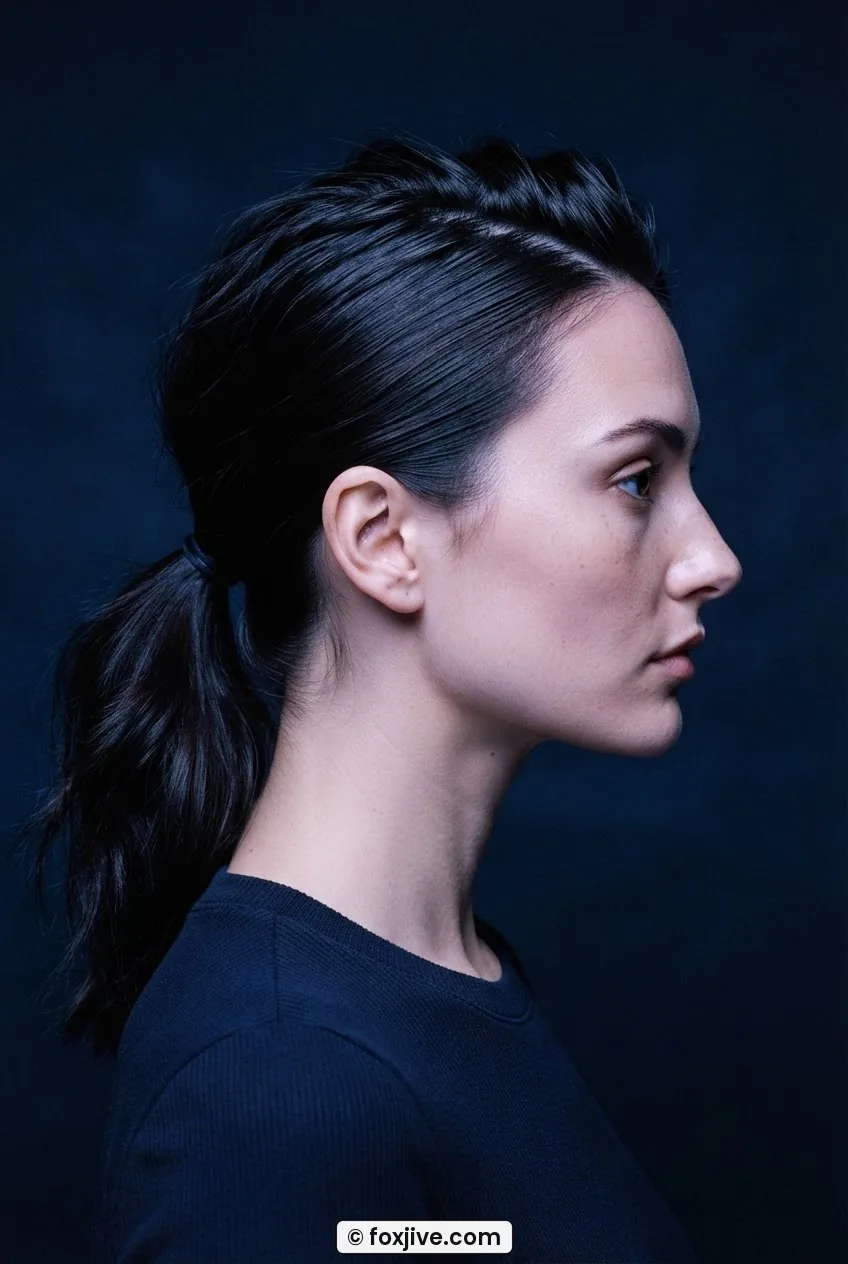
First: the low ponytail is back, but it’s not the limp, barely-there version. It’s sleek through the crown, almost architectural, with the tail left deliberately undone — textured, slightly frayed at the ends. This is the Y2K ponytail after it grew up. How to sleek a low ponytail properly so it holds that crown tension without going stiff is genuinely a skill, and the runway shows it done at a level most people haven’t cracked yet.
Second: colour. The chunky highlights that dominated the first wave of this revival are being replaced on the runway by something more interesting — tonal colour that looks chunky in certain light and blended in others. Dimension that shifts. It references the frosted, two-tone 2000s palette without being a direct copy. This is a meaningful shift because it means colourists can do something more technically sophisticated while staying within the Y2K aesthetic frame.
Third, and this one surprised me: the updo. Not the messy bun, not the space bun (though I’ll get to that). A low, gathered updo — almost like an afterthought chignon — with face-framing pieces that are clearly deliberate. It appeared in three separate collections I was tracking, from very different designers, in the same six-month window. That’s not coincidence.
What the Salons Are Booking
Runway is one data point. Salons are another, and honestly a more reliable one for predicting what actually lands in real life. I’ve been talking to stylists — friends, people I know from the industry, people whose work I follow — and the booking patterns are telling a clear story heading into 2026.
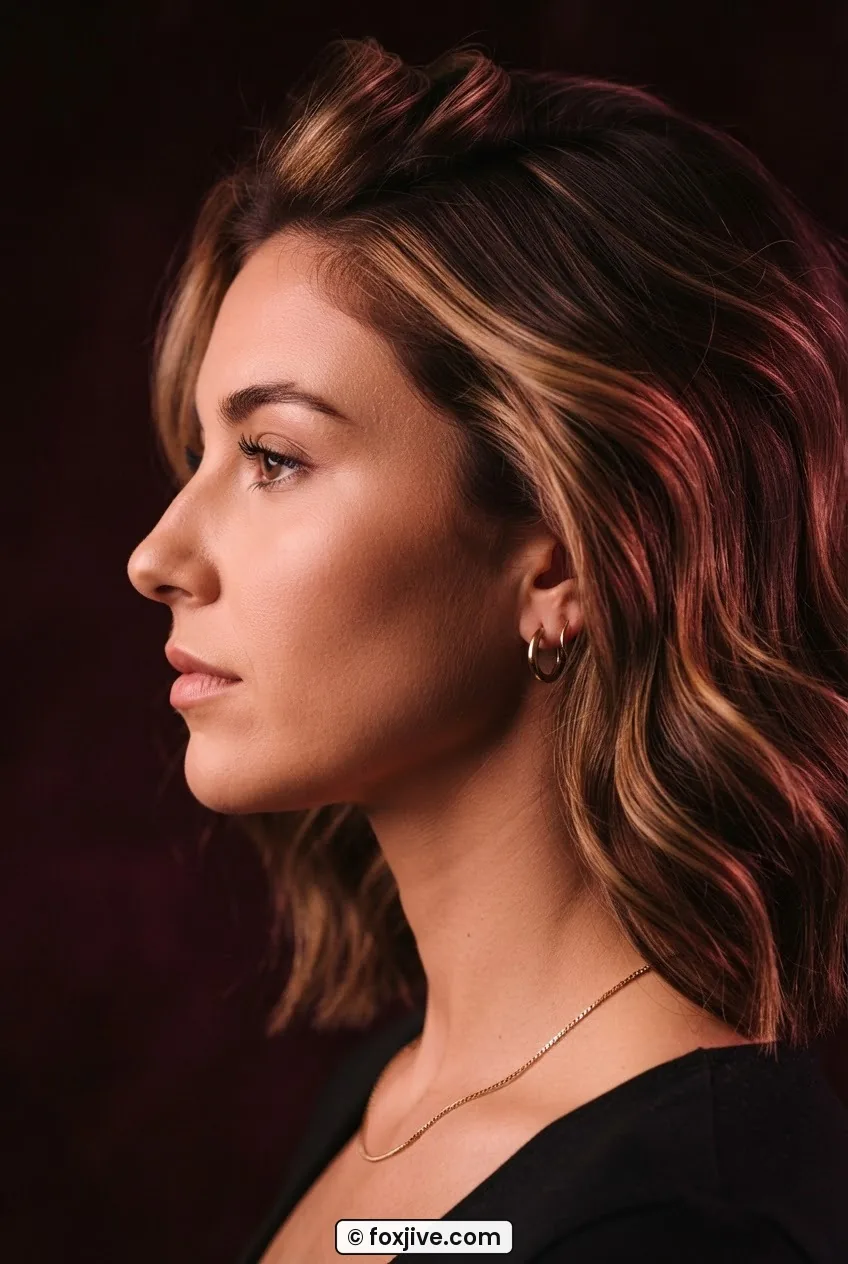
Requests for the classic Y2K short cut — the choppy, piece-y layers with that slightly chaotic texture — peaked about eighteen months ago. What’s replacing it in the booking queue is longer, but not formlessly long. People are asking for curtain bangs with length that hits the collarbone, or below. They’re asking for layers that move, not layers that chunk. The fringe element stays — that’s the Y2K thread — but the overall silhouette is going softer and longer.
Colour bookings tell a similar story. Chunky highlight techniques are still being booked, but stylists are telling me clients are more often asking to soften them on the second visit, blending the edges slightly while keeping the contrast. The client wants to look like she had Y2K hair and evolved it, not like she just discovered it.
There’s also something interesting happening with texture services. Perms and body waves are up — not the tight spiral perms of the 80s revival, but looser, more random texture. Intentional without looking too done. This feeds directly into the next version of the Y2K curl aesthetic, which was always about that slightly unfinished, effortful-but-effortless contradiction. For anyone curious about how different retro styles rank by how long they actually take, the pattern holds across eras — the ones that look thrown-together take the longest.
Where the Street Is Actually Going
Here’s my slightly controversial opinion: I think the street-level Y2K moment everyone celebrated — the space buns, the butterfly clips, the very literal 2000s cosplay — was actually the least interesting part of this revival. And the fact that it’s fading is good news.
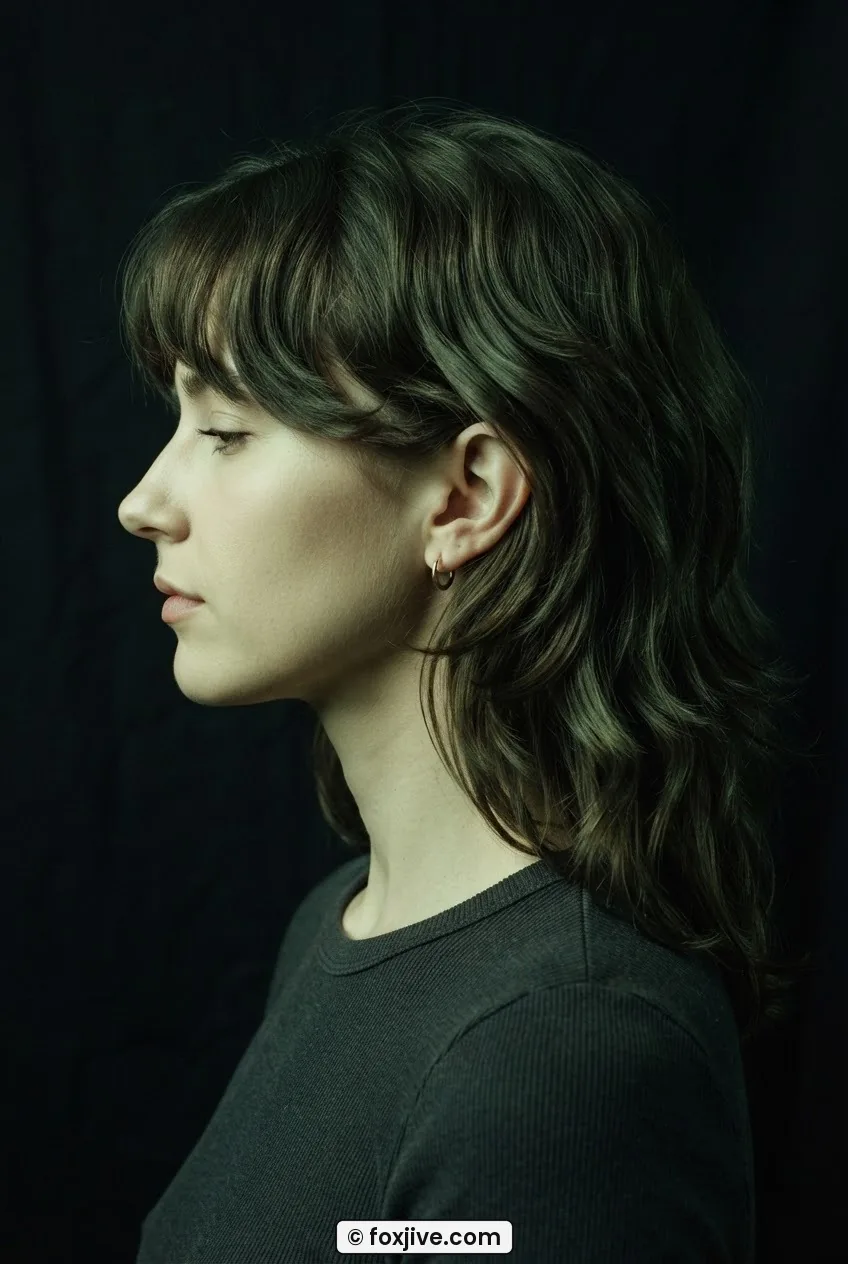
Look at how she’s styled her hair in this shot — that low texture, the way the gel gives the edges definition without going crunchy, the strands that are clearly doing something without screaming for attention. That’s the street-level signal I find genuinely exciting. It’s not “I am doing Y2K hair.” It’s “my hair absorbed that era and kept what it needed.”
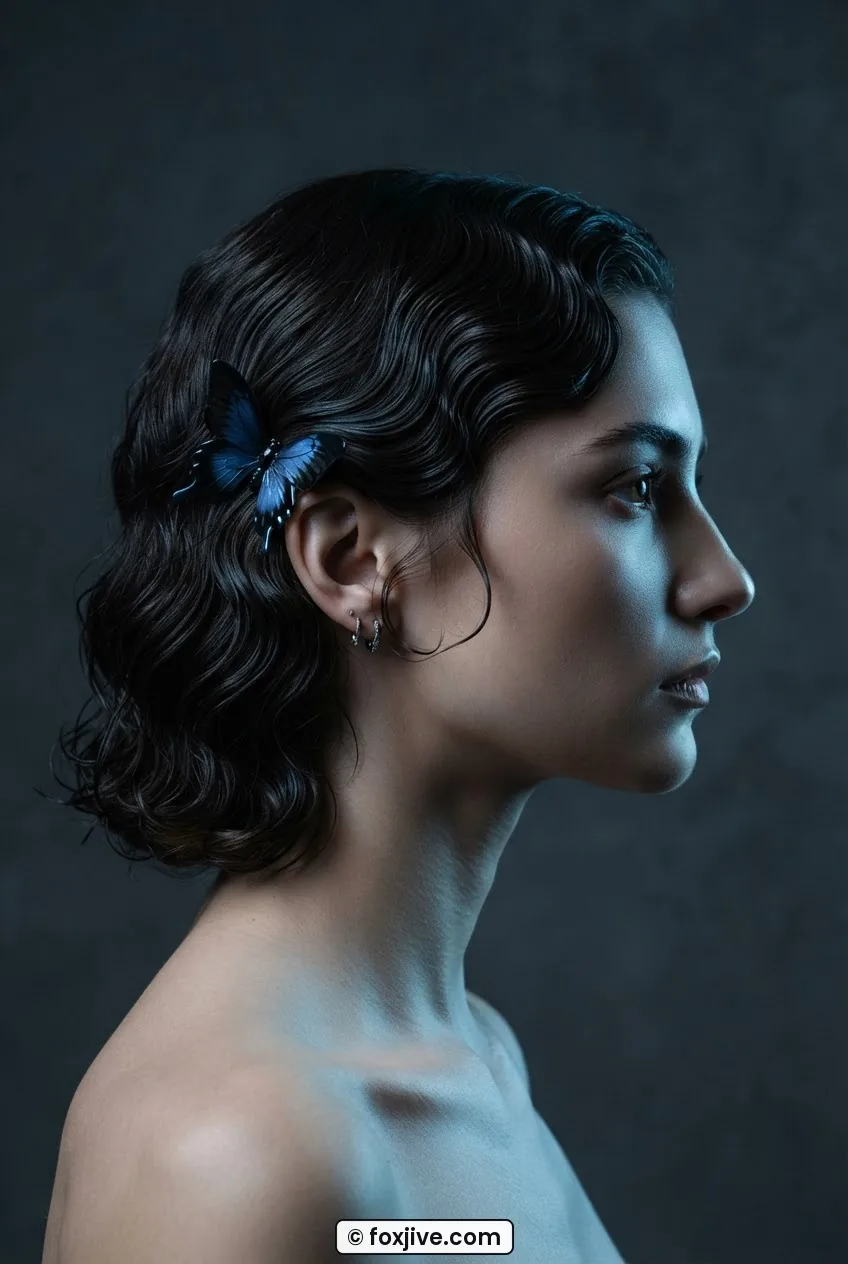
The accessories are shifting too. Not gone — I’m not saying butterfly clips are finished, and anyone who tells you a trend is completely over is almost always wrong. But the clip has moved from the star of the look to a supporting character. It’s one clip, not seven. It’s placed deliberately. That’s a maturation, not an abandonment.
What I’m watching on the street right now: side parts making a quiet comeback within the Y2K framework (yes, really — the middle part that defined the era is being questioned by the same generation that imposed it); low buns with intentionally undone edges; and most interestingly, single face-framing pieces in a contrasting shade, worn with otherwise natural colour. That last one is barely Y2K in a literal sense, but it’s unmistakably from that aesthetic world.
None of this is random. You can read the 2000s hair revival history as a neat loop back to the originals, but that’s not what’s actually happening. What’s happening is synthesis. The era is becoming a reference, not a rulebook. That’s when revivals get genuinely good.
The Prediction
Alright. Here’s where I commit to something specific enough to be wrong.
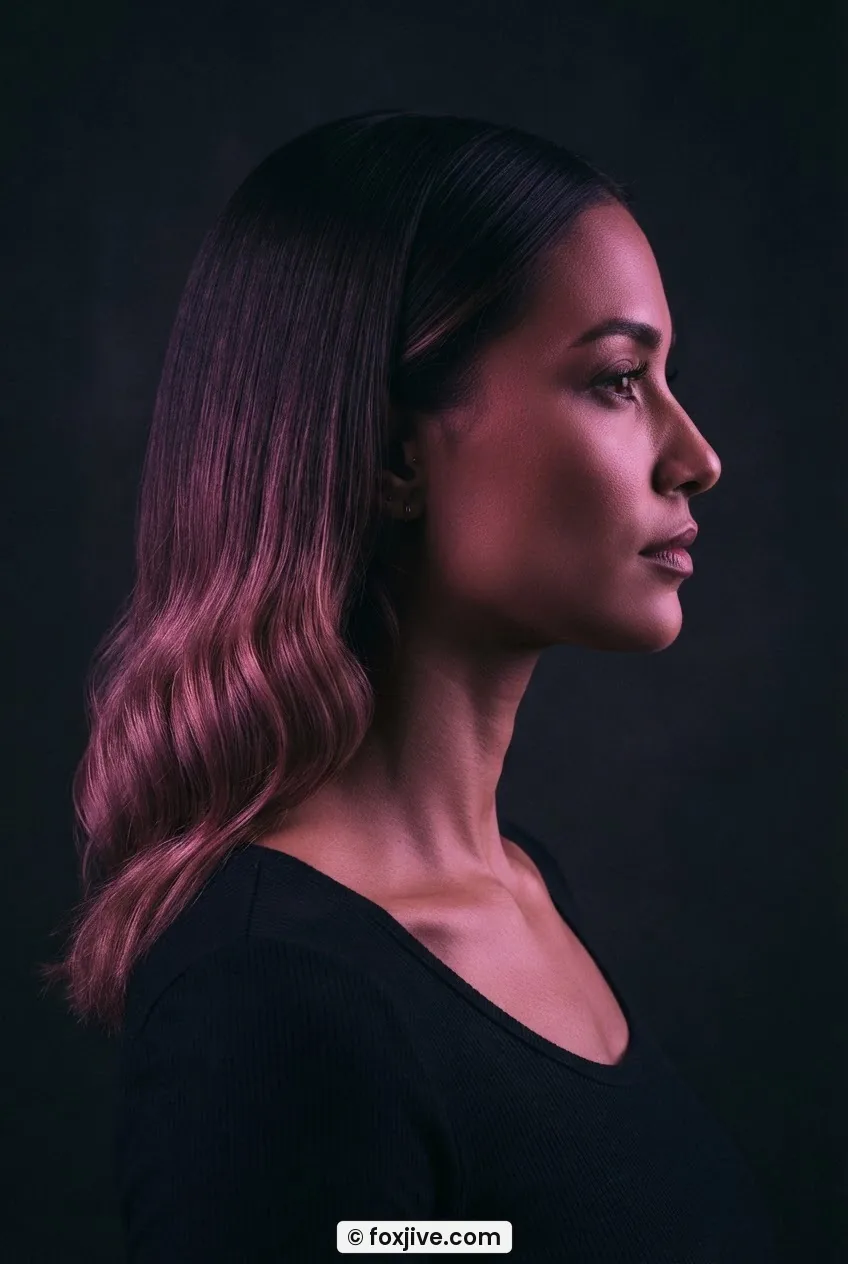
By the end of 2026, the dominant Y2K hair look will not be the choppy layers or the space buns or the frosted highlights. It will be a long, sleek-rooted style with significant mid-length texture — think past the collarbone, straight at the top two thirds, then wavy or curled from there down — worn with one or two face-framing layers in a contrasting or highlighted shade. The fringe, if there is one, will be curtain-style and grown out past the cheekbone. It will reference the 2000s clearly but look expensive rather than nostalgic.
The colour moment that completes it will be a very specific shade — a warm dark brunette base with honey pieces around the face only, no highlights elsewhere. Not balayage. Placed. Almost painted on by hand. It’ll read as Y2K because of the deliberate face-framing contrast, but it’ll feel completely current.
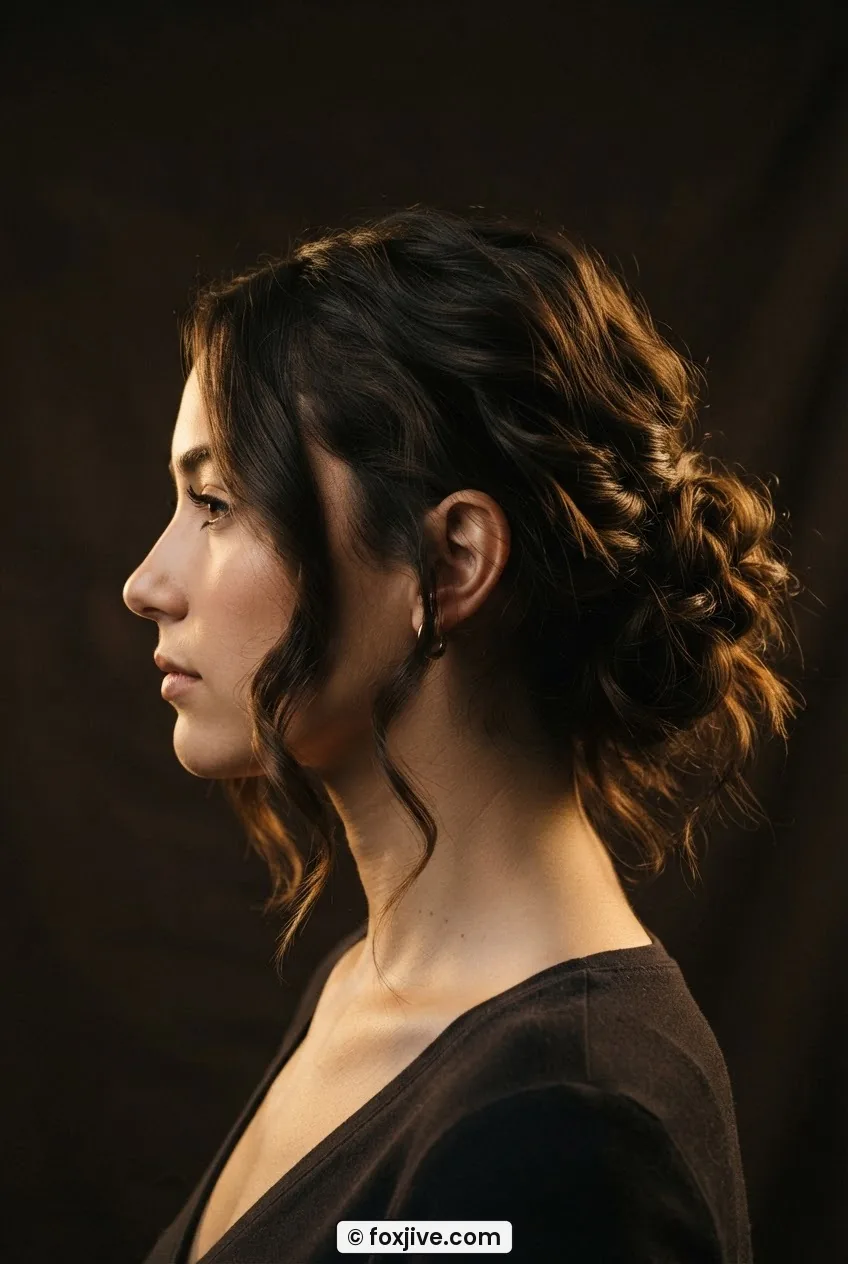
The updo variation of this — and there will be one, because there always is — will be that low gathered chignon I flagged from the runways, with the face-framing contrast pieces left out, worn with a single sculptural clip rather than scattered ones. Minimal. A little severe. Exactly the kind of thing that looks wrong for six months and then suddenly looks like the only possible choice.
I’m putting a date on this: I expect this to be clearly visible as the dominant direction by September 2026. If I’m wrong, I’ll say so — feel free to come back and hold me to it.
What People Usually Ask
Is Y2K hair still trendy in 2026?
It’s past its first peak and into its second, more refined phase — which actually makes it more wearable, not less. The costume-y version is fading; the sophisticated synthesis of Y2K references into modern styles is what’s growing. That’s when a revival gets genuinely interesting to wear.
What are the most wearable Y2K haircuts right now?
Curtain bangs with collarbone-length layers are the safest entry point — they read as Y2K-influenced without being obvious, and they suit a wide range of face shapes. The choppy, very short cuts are still around but are more of a statement choice than a versatile one at this point.
Do I need chunky highlights to pull off Y2K hair?
Not anymore. The colour is evolving toward deliberate face-framing contrast — warm pieces placed around the face only — rather than all-over chunky highlights. You can absolutely stay within the Y2K aesthetic with a much more refined colour approach, which most people find more flattering long-term anyway.
Can Y2K hairstyles work on short hair?
Completely. The piece-y texture, the face-framing layers, the deliberate use of product for definition — all of that translates to short hair beautifully. You lose the ponytail and updo options, but you gain the sculptural edge that short hair does better than anything longer.
This is obviously a forecast, not a guarantee — trends are chaotic and I’ve been wrong before. But the evidence is pointing in a coherent direction, and I’d rather make a specific, falsifiable prediction than shrug and say “it depends.” Forecasts you can’t check aren’t really forecasts. Come back in September. We’ll see.