






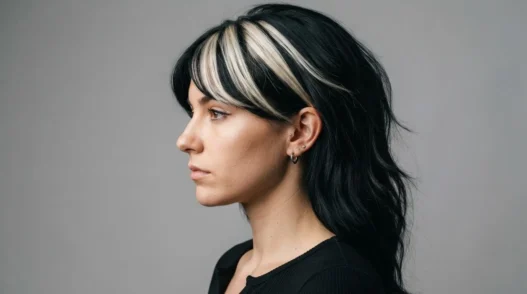
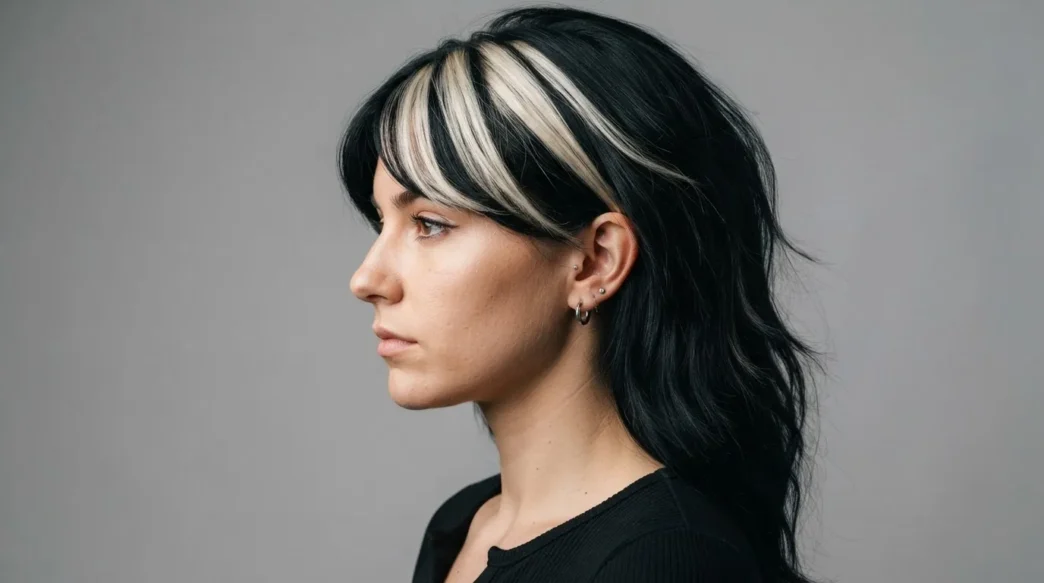
I was deep in a nostalgia spiral last winter — you know the kind, where you find a box of old photos and suddenly you’re sitting on the floor at midnight questioning every haircut decision you made between 2001 and 2007. What struck me wasn’t the outfits. It was the hair. Specifically, those sweeping side bangs that everyone had, the ones that grazed one eye and were somehow simultaneously effortless and extremely high-maintenance. The thing is, I still kind of love them. And judging by what I’m seeing on real women in 2026 — not just on mood boards, on actual people walking around — I’m not the only one. The question isn’t whether to revive them. It’s how to do it so it reads like a choice, not a throwback costume.
Jump to the Look You Want
- The Difference Between a Revival and a Costume
- 1. The Deep Side Sweep, Cut Blunter
- 2. Chunky Highlights With a Side Part
- 3. The Zigzag Part With a Wispy Fringe
- 4. Space Buns, Placed Lower
- 5. The Flip-Out Layer With Side-Swept Fringe
- 6. Straightened-Flat Panels, Updated
- 7. The Half-Up Twist With Side Fringe
- 8. The Shaggy Side Bang on a Grown-Out Bob
- 9. Butterfly Clips Along the Side Part
- 10. The Low Pony With Face-Framing Pieces
- 11. The Feathered Wing, Done Quietly
- The Accessories — Because They’re Half the Look
- Questions I Get About This
The Difference Between a Revival and a Costume
A revival means you take the original idea and update one specific thing so it belongs to now. A costume means you copy the original thing wholesale and everyone at the party knows you’re dressed as 2003. The gap between those two outcomes is usually smaller than people think — sometimes it’s just a product swap, sometimes it’s a centimetre of length difference, sometimes it’s which accessories you reach for. I’ll flag the exact adjustment for every look in this list, because that’s the only rule I’m holding to: every single one of these has to work on a real adult in 2026, not just in a Pinterest board labelled “early aughts inspo.”
1. The Deep Side Sweep, Cut Blunter
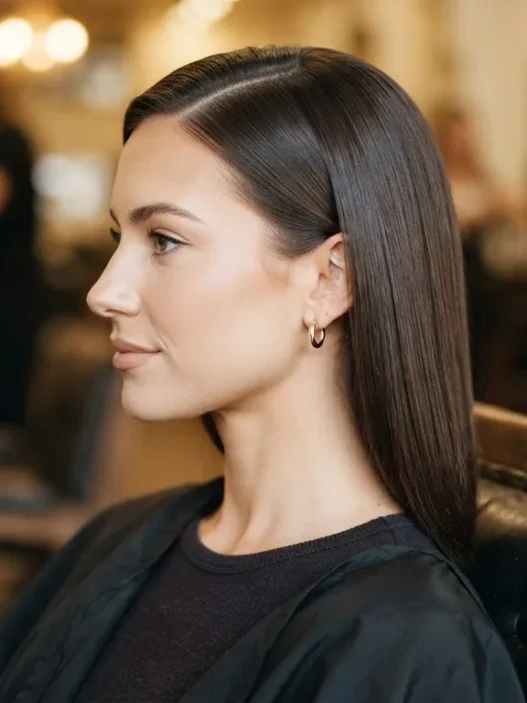
This is the ur-look. The one that started it all, the long curtain of hair swept aggressively across the forehead, usually held in place with approximately half a bottle of something crunchy. The adjustment that makes it wearable now: ask your stylist to cut the fringe with a slight blunt edge rather than a whispy, shredded tip. That one change takes it from “MySpace profile photo” to something that actually photographs well in daylight. Keep it long enough to tuck behind the ear on the side it falls toward — that’s where the facial framing happens.
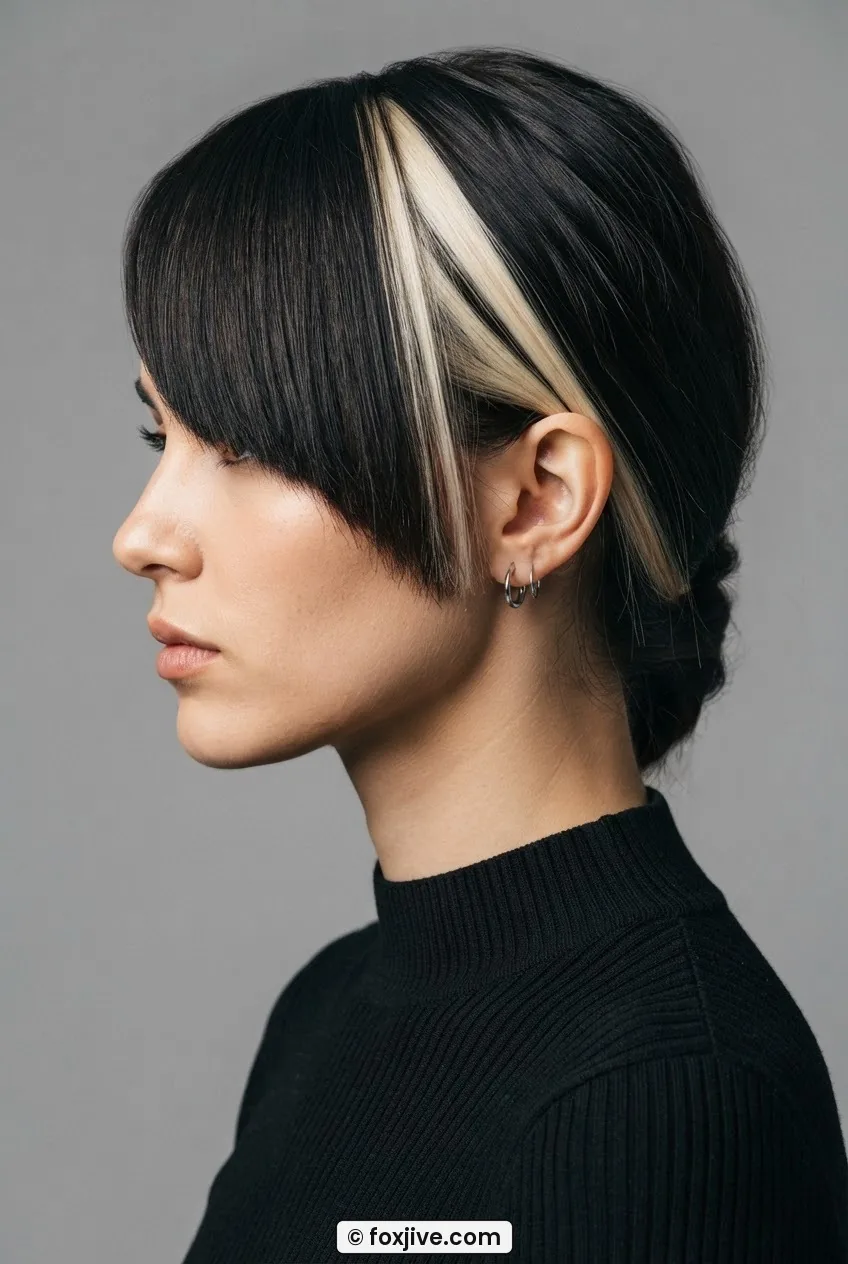
Finish with a light serum instead of gel. The movement you want is floppy, not stiff. This is genuinely one of my favourite looks on anyone with a wider forehead because the diagonal line is incredibly flattering — it’s not a coincidence that half the celebrity stylists of that era reached for this cut constantly.
2. Chunky Highlights With a Side Part
Okay, so this one is technically a colour entry wearing a fringe entry’s hat, but hear me out. The chunky highlight revival is real — I’ve written about it, I’ve talked about it with my colourist, and I’m seeing it on women who are very clearly not trying to look like teenagers. The adjustment is in the placement: instead of the high-contrast, almost striped effect plastered directly onto the front face-framing pieces, ask for the bold sections to begin about two centimetres from the root. That soft root gives it a grown-out intentionality that reads modern.
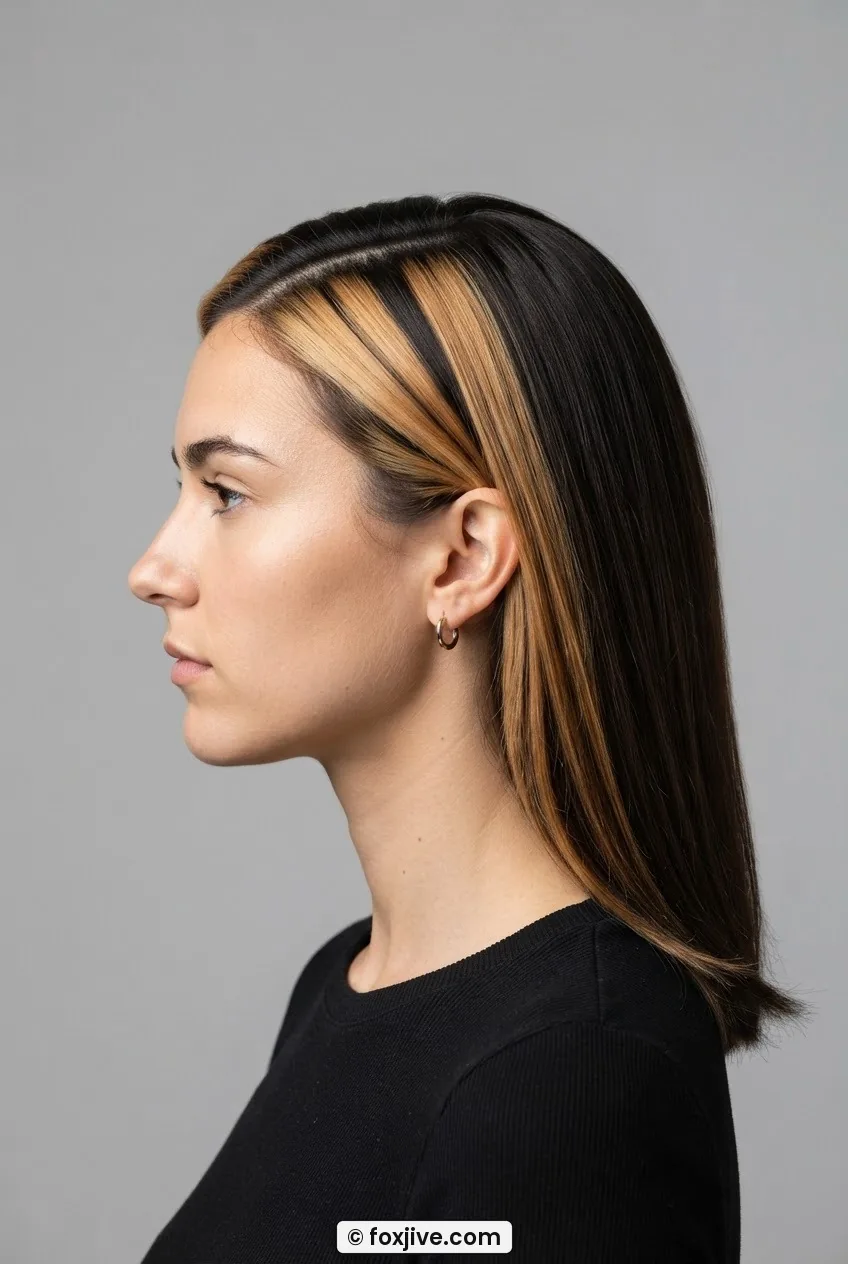
Look at how she’s wearing hers in that shot — the chunky blonde stripe doesn’t start at the scalp, it begins just slightly lower, and that tiny detail is what makes it feel editorial rather than accidental. The deep side part anchors the whole look. You can read more about getting this colour right by checking out chunky highlight techniques with your colourist before your appointment. It’s worth the conversation.
3. The Zigzag Part With a Wispy Fringe
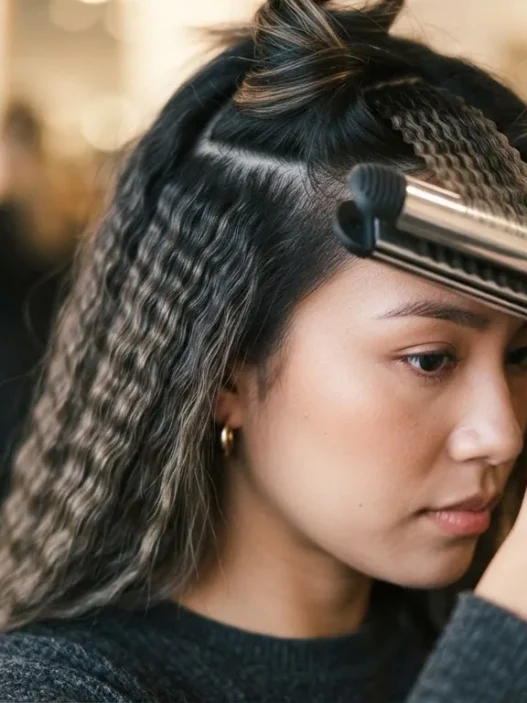
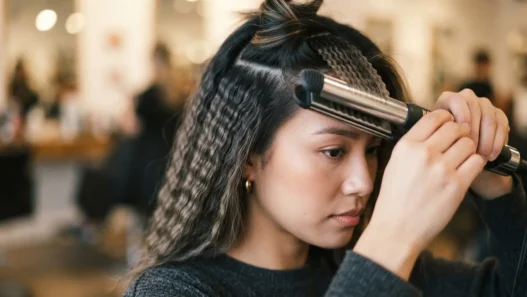
The zigzag part was peak Y2K. I had one from approximately 2002 to 2004, and I used an actual rattail comb every single morning. The adjustment that makes it work now: pair it with a genuinely wispy, grown-out fringe rather than anything blunt or geometric — the softness of the hair counterbalances the graphic quality of the part. It’s a neat contrast that feels intentional.
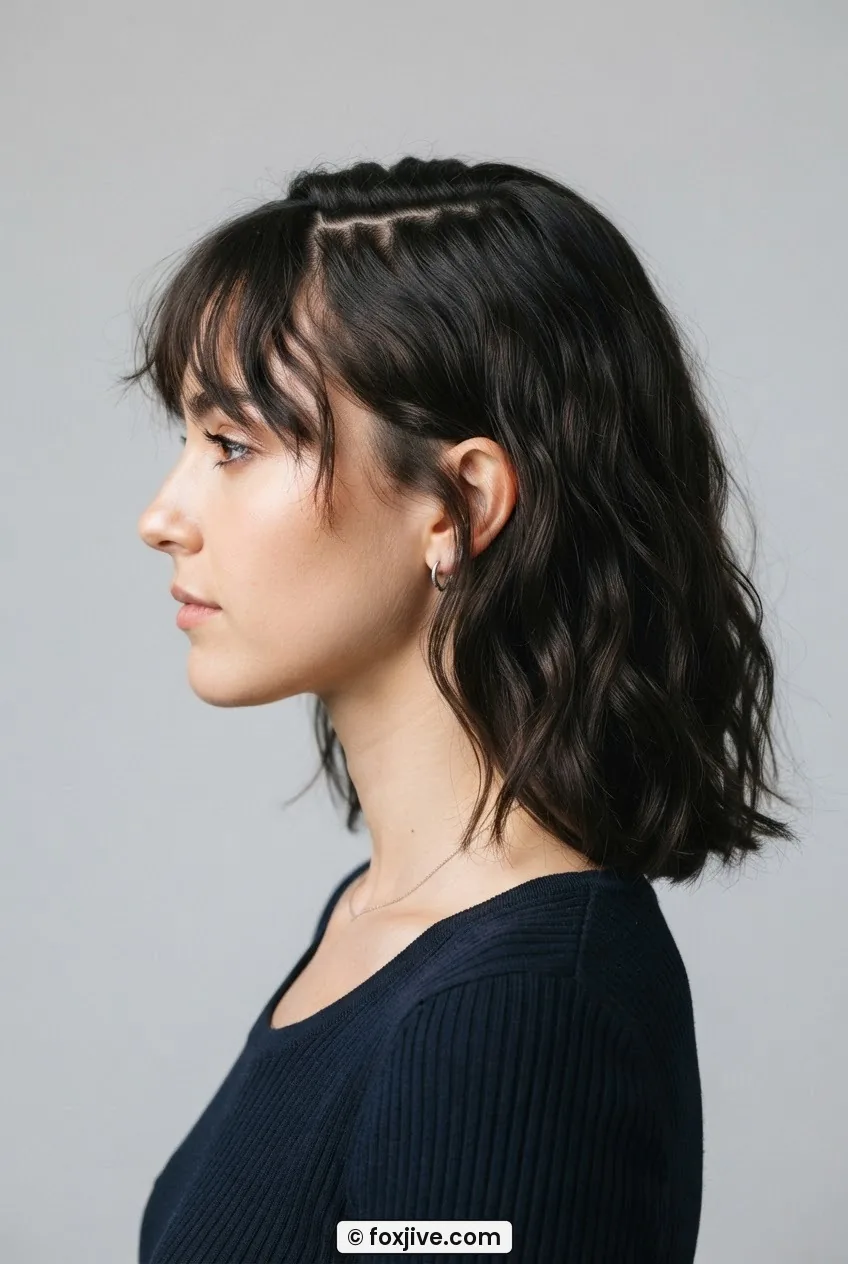
This one works especially well on curly and wavy textures because the zigzag gets naturally obscured as the hair dries and puffs, which means the effect is subtle rather than literal. On straight hair, go softer on the parting — drag it with your fingernail rather than a comb and the result is more tousled, less geometric. Very different vibe.
4. Space Buns, Placed Lower
Everyone who did space buns in the Y2K era wore them as high as physically possible, basically perched on the very top of the skull like a satellite dish. The adjustment is so obvious it’s almost annoying: place them lower. Two buns sitting at the back of the head, maybe level with or just above the ears, read as an updo rather than a costume. The side bangs or face-framing pieces you leave out in front do all the stylistic work — they’re what signals “intentional” rather than “theme party.”
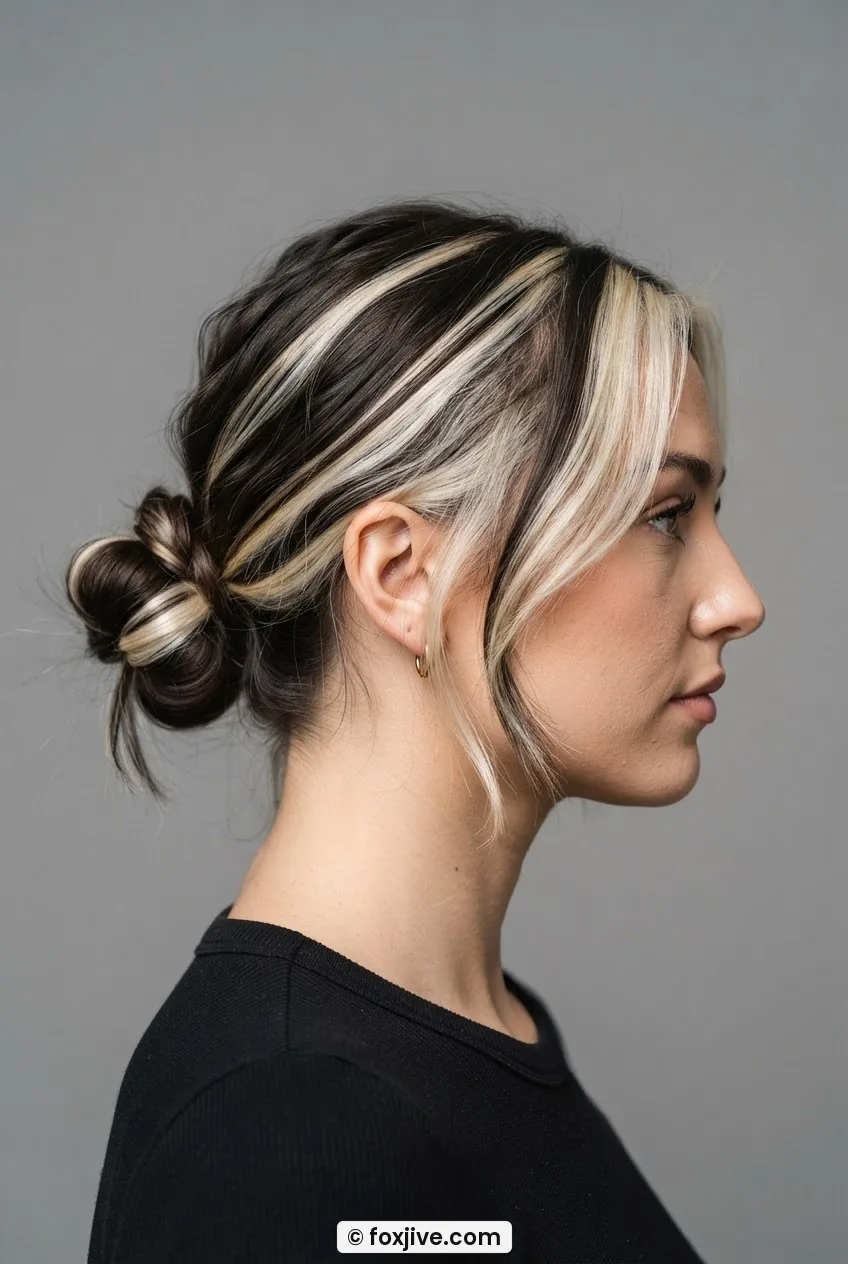
I love this on medium-length hair specifically because the buns end up being a bit undone and imperfect, which is exactly the right energy for 2026. Don’t neaten them too much. Let a few pieces escape. That’s not sloppiness — that’s the whole point.
My personal pick out of this whole list is the space buns placed lower — worn with face-framing pieces loose at the front and a single butterfly clip on one side. I tried it for a dinner last autumn and got more compliments on my hair that evening than I had in months. It took eleven minutes including drying my hands after washing them.
5. The Flip-Out Layer With Side-Swept Fringe
The flipped-out ends trend of the early 2000s is one I feel genuine affection for, possibly because my mother had this cut and it always looked so polished on her. The adjustment is about the degree of the flip. The original version was dramatically, almost cartoonishly flipped — every layer curled outward with a round brush like you were auditioning for a shampoo commercial. Now, a subtle flip — just the very ends, catching the light rather than announcing themselves — paired with a soft side-swept fringe gives the whole thing a gentle retro signature without the costume factor.
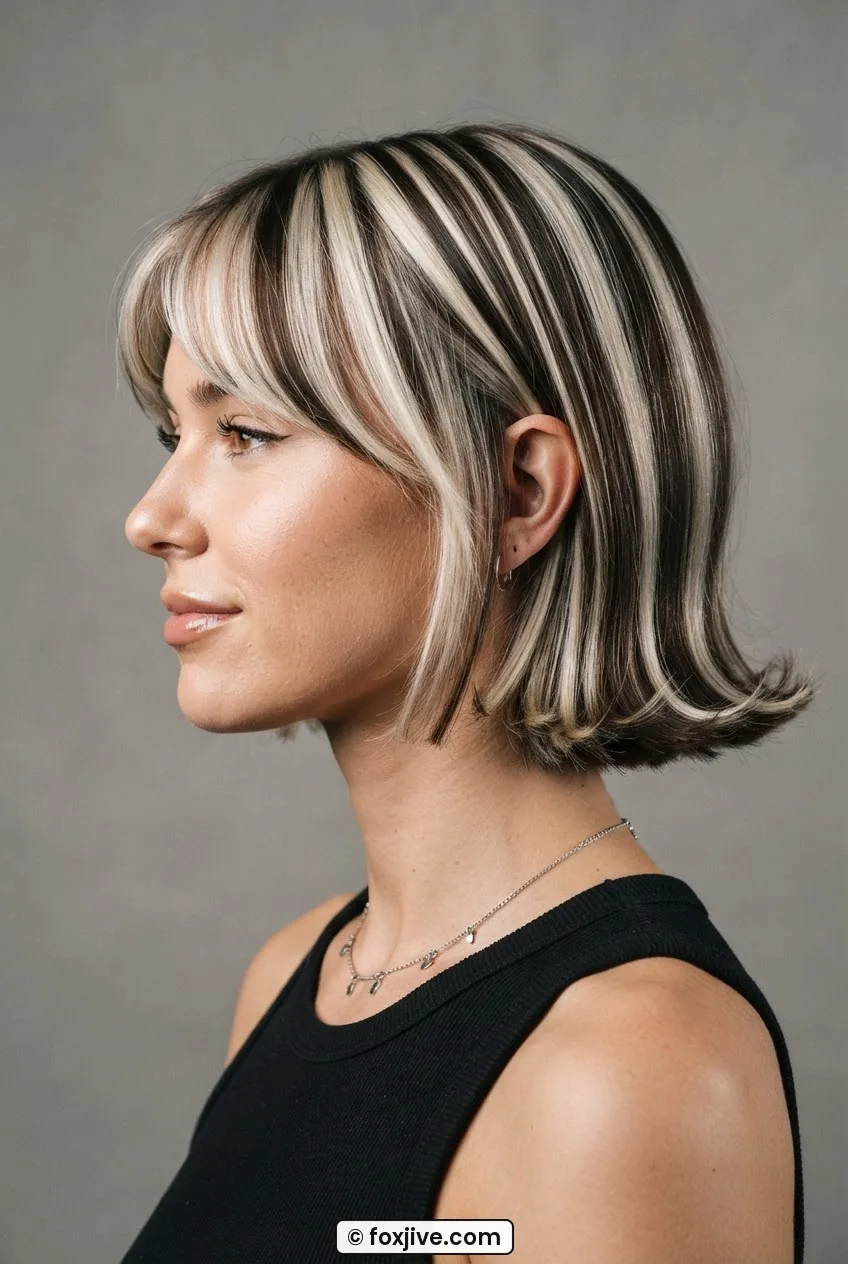
A medium-barrel curling wand on dry hair, wrapping away from the face, does this in about ten minutes flat. You can do a gorgeous version on a chin-length bob. She’s got exactly that length in the photo here — see how the flip starts only at the very last inch of each section? That restraint is doing a lot of heavy lifting.
A Tutorial That Shows the Subtle Flip Perfectly
6. Straightened-Flat Panels, Updated
This is the look I think of as “the Christina Aguilera problem.” Sleek, ruler-flat hair with a severe side part and two face-framing panels falling forward — it was everywhere from 2000 to 2006 and it was genuinely stunning. It is also the single easiest look in this entire list to accidentally wear as a costume because it photographs so immediately as “era.” The adjustment: keep the panels, but rough up the surface texture very slightly with a light paste before straightening. Not enough to actually change the shape — just enough so that the finish reads matte and lived-in rather than polished-and-pressed.
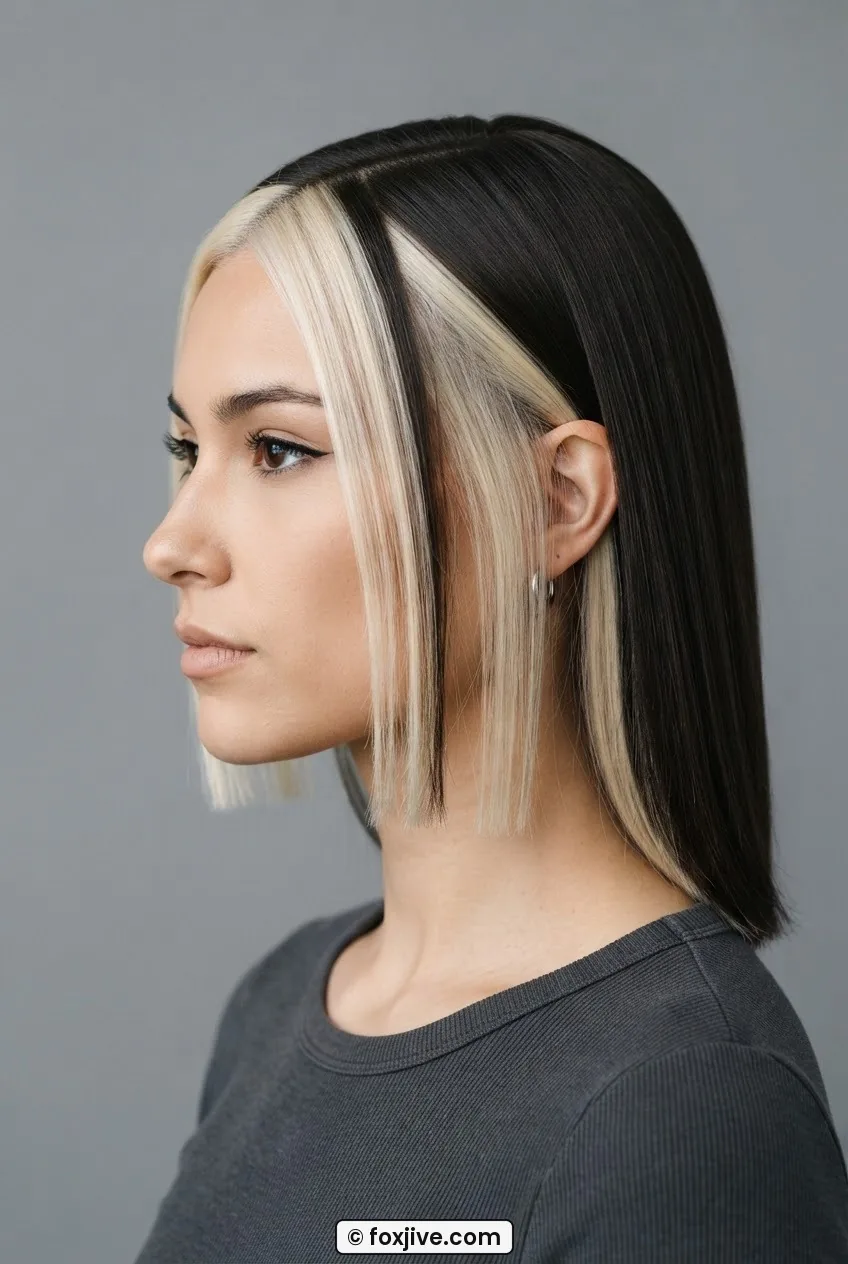
If you’re going to try heat-protectant techniques before you attempt this, please do — this particular look requires a lot of passes with the iron and your hair will thank you for the prep work.
7. The Half-Up Twist With Side Fringe
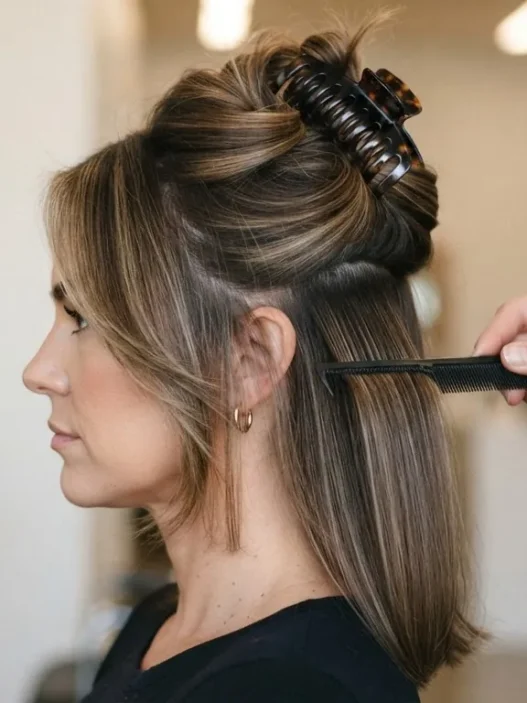
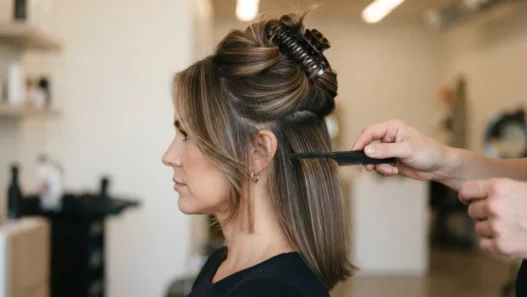
Half-up styles from this era tended to involve either extremely teased crowns or tiny, sad little claw clips perched at the very top of a mostly-down style. The adjustment here is structural: instead of pulling the top section up and clipping it with a novelty clip, twist it once, tuck it under, and pin it with a single flat pin. The result looks deliberate — like something a woman who knows what she’s doing did in three seconds — rather than an afterthought. Leave the side fringe fully loose. That’s the Y2K element doing its job.
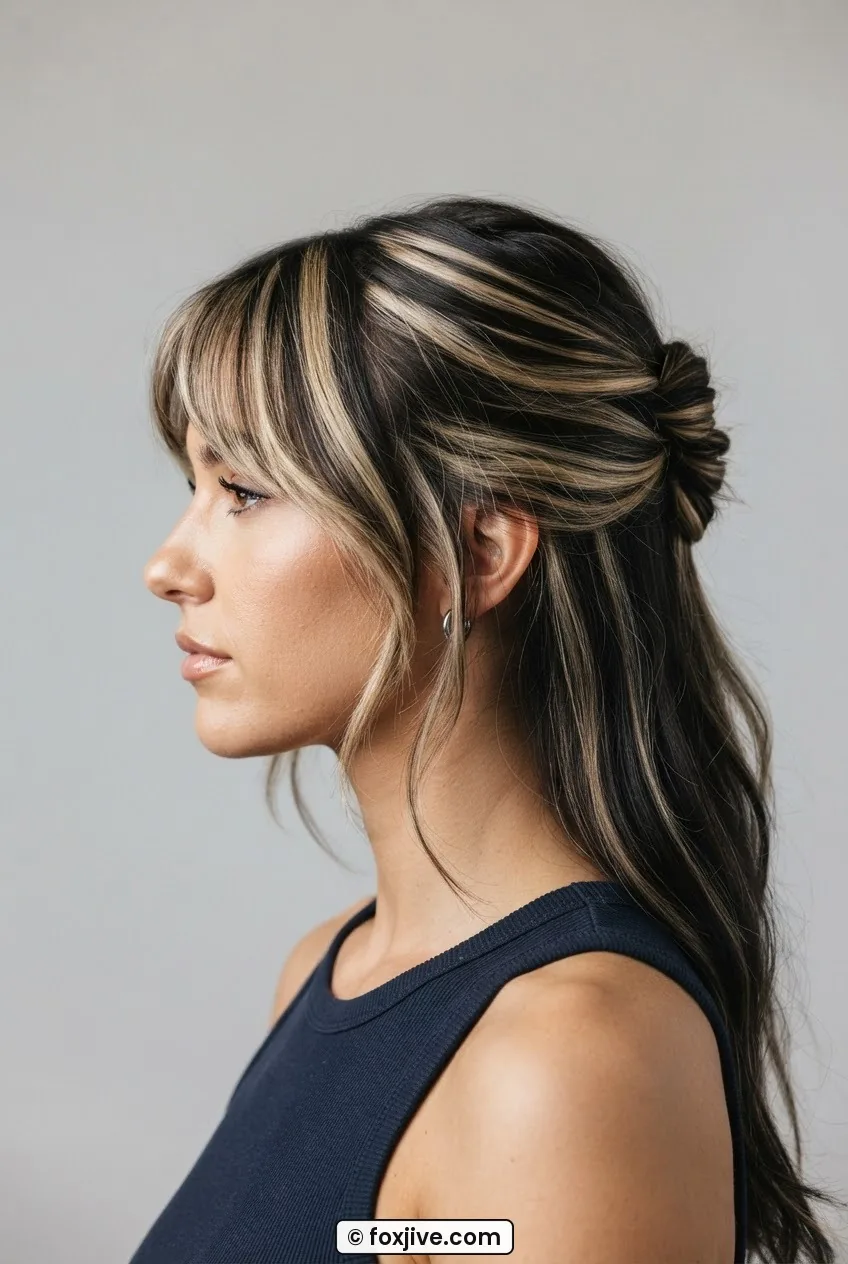
This is my go-to for days when my hair is in that awkward stage between a trim and a proper length. It works on almost everyone, which I don’t say about many styles.
8. The Shaggy Side Bang on a Grown-Out Bob
A grown-out bob is kind of the natural habitat of a side bang. When the length is between jaw and collarbone and the layers are slightly chaotic — not precisely cut but not neglected either — adding a side-swept fringe that blends into the first layer gives the whole thing a very specific early-2000s energy that somehow also reads very now. The adjustment that makes it modern is weight: ask your stylist to leave more weight in the fringe rather than thinning it out. Thinner, feathery side bangs read retro in the wrong direction. Heavier ones read fashion.
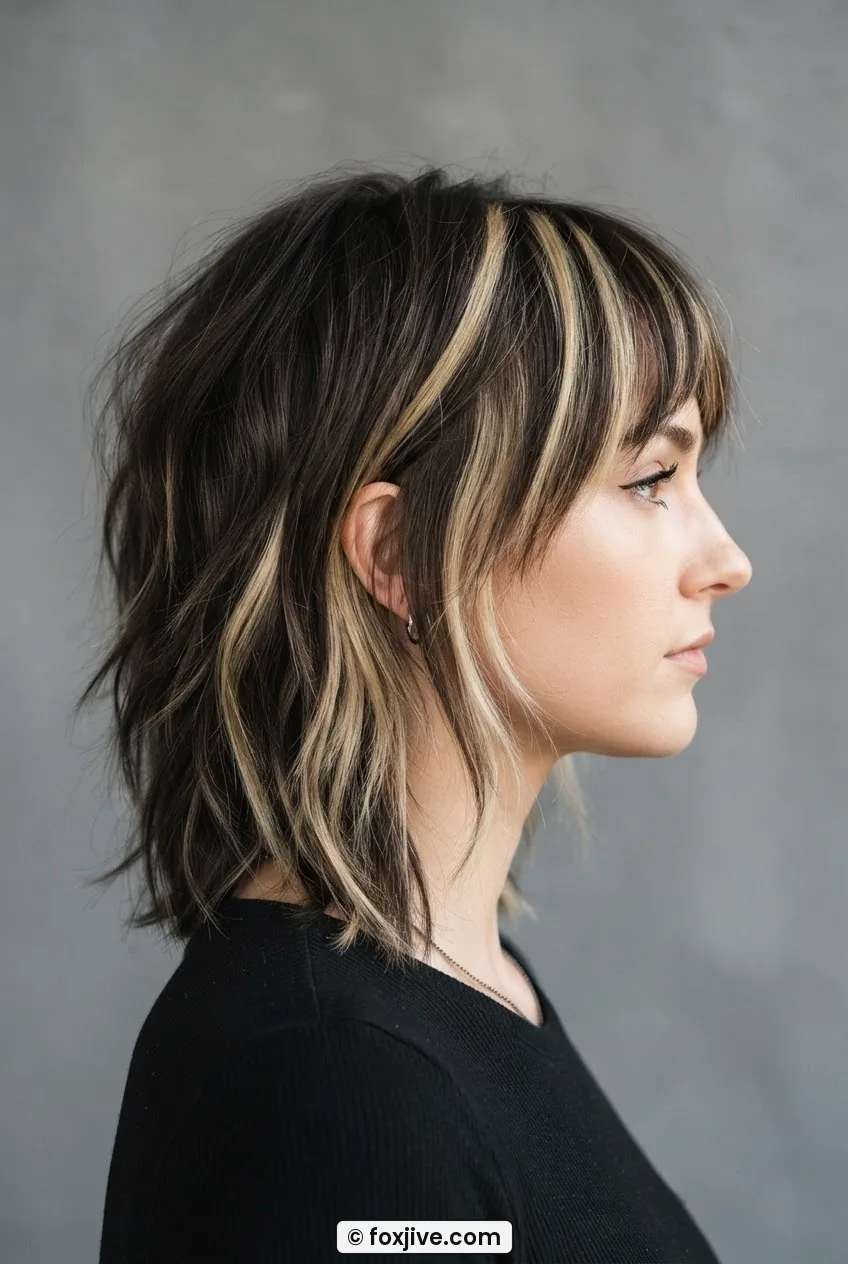
This particular cut also pairs beautifully with the chunky highlight trend I mentioned earlier — the side bang becomes a natural place for a bold blonde or caramel stripe to live, and the effect is really something. I’m obsessed with this combination on dark brown base hair specifically.
9. Butterfly Clips Along the Side Part
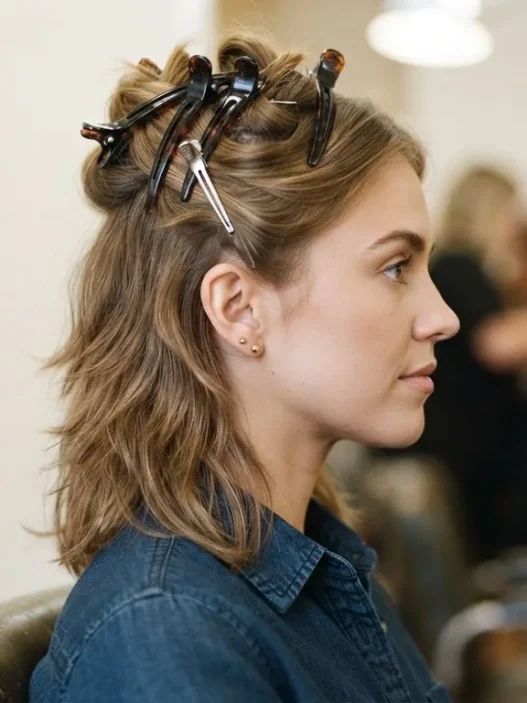
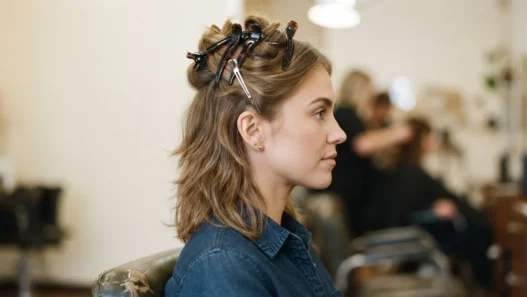
Butterfly clips are back, full stop. Not as a novelty item, not ironically — actually back. The original Y2K use was to pin sections of hair randomly all over the head, often in clashing plastic colours, with no logic to the placement. The adjustment that makes them adult-appropriate now is restraint and placement. One or two clips, arranged along the side part or used to pin back the side bang itself, is the move. The clips become jewellery rather than wallpaper.
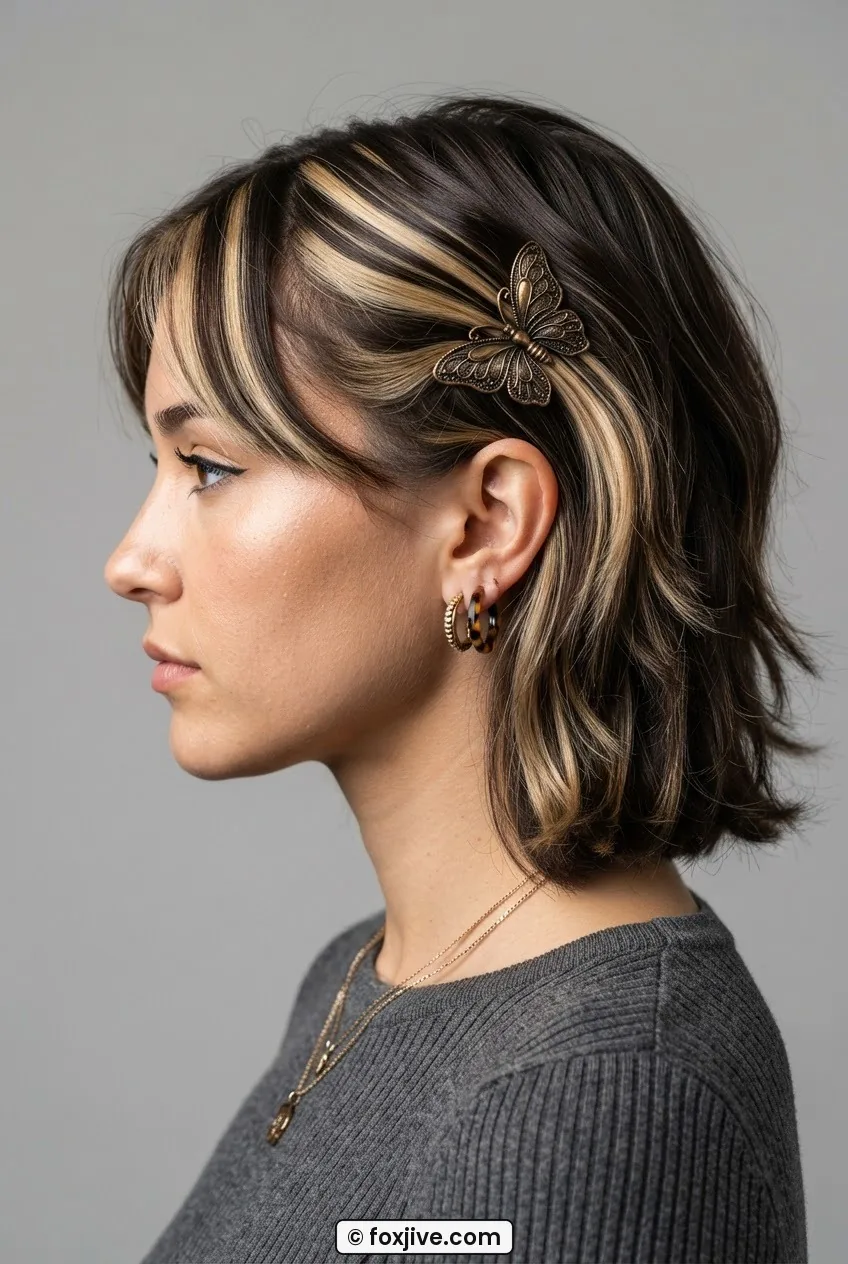
Stick to tortoiseshell, metallic, or a single pop of colour rather than a rainbow. That one-colour discipline is all the difference. I’ve been reaching for a small bronze butterfly clip almost daily since last spring and I’ve been asked about it every single time.
10. The Low Pony With Face-Framing Pieces
The low pony with two pieces left out at the front — not styled into the ponytail, not tucked away, just hanging there framing the face — is probably the most wearable thing on this list because it already looks completely current on a first glance. It only reads Y2K when you know to look for it, and that’s exactly what you want from a revival. The adjustment is about those face-framing pieces themselves: let them be slightly wavy or air-dried rather than pin-straight. The original version had them ironed flat. Soft waves are the update.
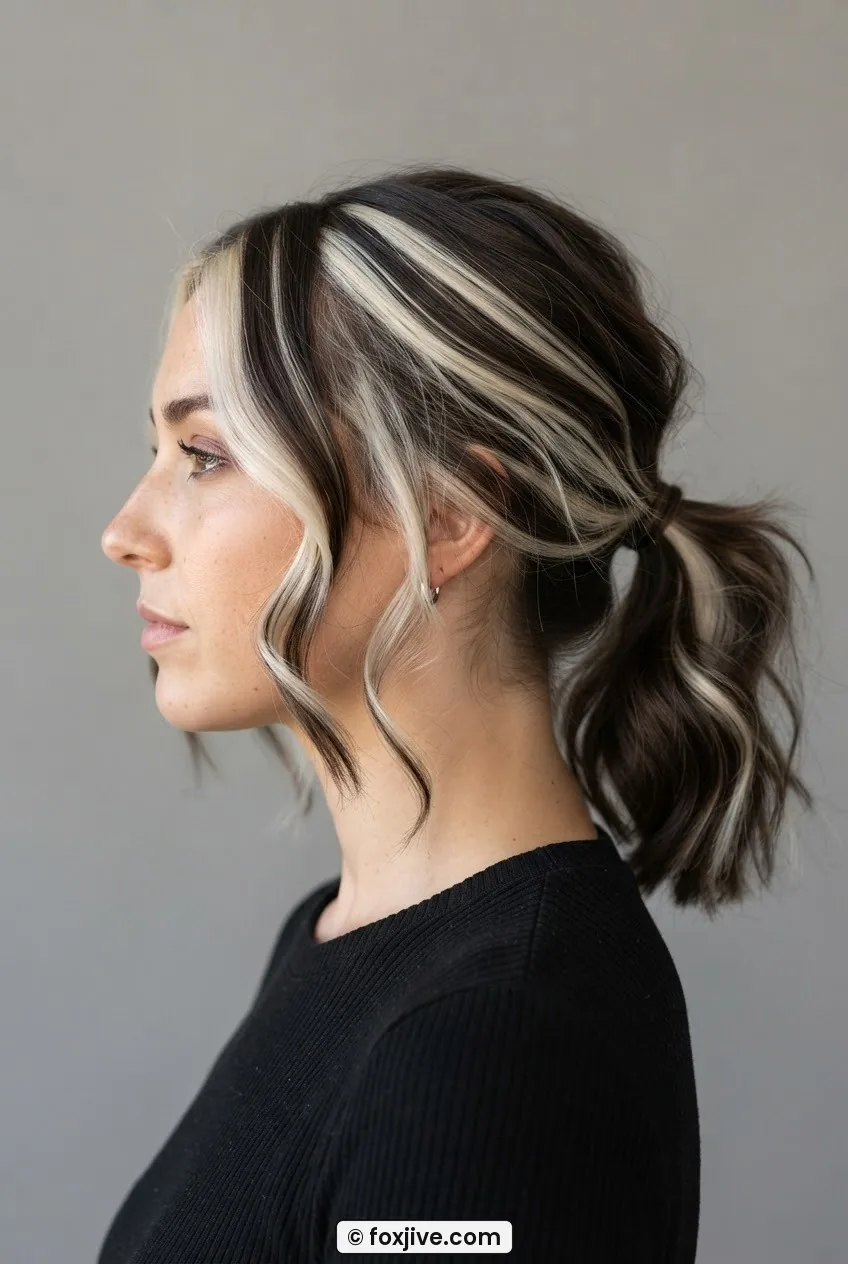
The ponytail itself should be low and a little loose — not scraped back. If you’re working with fine hair, backcomb the crown section lightly before pulling it back to get some volume at the root. This is genuinely an any-occasion style, which not all of these are, so I wanted to flag it explicitly.
11. The Feathered Wing, Done Quietly
There’s something about a gently feathered side bang that makes me think of every teen movie from 2002 to 2008. Farrah Fawcett invented the feathered wing in the 70s, it got absorbed and mutated by Y2K hair culture into something slightly less dramatic, and now in 2026 the feathered layer is having its fullest comeback since then. The adjustment here is the most delicate one on the list: the original Y2K feathered bang was often achieved with a lot of product and a lot of heat, and it showed. Now you want the same winged-out shape but achieved with a round brush on almost-dry hair — the result is softer, the individual hairs visible rather than plastered together.
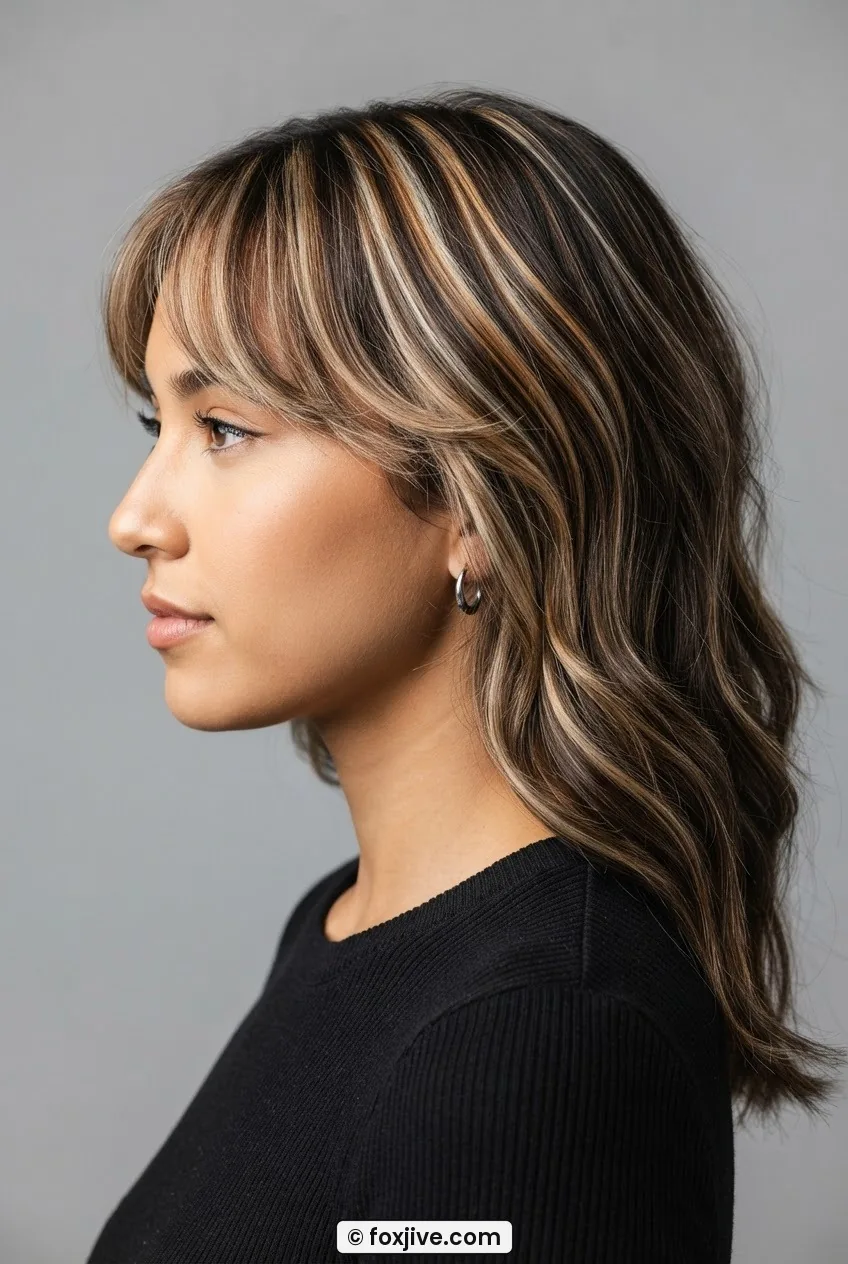
If you want to understand the full lineage of this style, the Foxjive.com archives are worth exploring — there’s a lot of context for how decade-by-decade fringe trends connect to each other. The feathered wing honestly belongs somewhere between the 70s and the early 2000s, and understanding that timeline helps you wear it with a bit more intention.
The Accessories — Because They’re Half the Look
I promised a section on accessories and I’m not going to skip it because this is genuinely where the Y2K revival lives or dies. You can have the most perfectly adjusted side bang in the world and undermine the whole thing by accessorising it wrong — or, more excitingly, you can take a fairly ordinary hairstyle and lift it into something that reads absolutely of this moment by choosing the right piece.
The items doing the most work right now: butterfly clips (covered above, but worth repeating), thin headbands worn straight across the hairline, mini jaw clips in translucent acetate, and ribbon ties used to wrap a ponytail. What’s NOT working in the same way in 2026: those tiny rhinestone pins worn in elaborate patterns all over the head, chunky plastic headbands in bright colours, and anything in neon plastic that reads more Halloween than hairstyle.
The trick with Y2K accessories generally is choosing one statement piece and letting the rest of the hair do nothing particularly special. This is the opposite of how they were originally worn, where more was categorically more, and it’s the adjustment that makes the accessory read as deliberate in 2026.
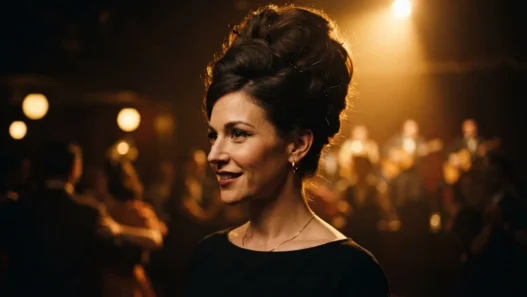
It’s also worth noting how interconnected these Y2K accessory trends are with other revival moments happening simultaneously — the return of the Victory Rolls aesthetic in vintage hair circles has brought a renewed interest in hair ornaments generally, and you’re seeing some genuine cross-pollination between the ultra-feminine 40s accessories and the plastic-and-clip aesthetic of the Y2K era. It’s a strange and wonderful combination. If you want to explore more structured vintage hair ideas alongside this, the 9 Victory Roll ideas ranked by how long they take is a good companion read — some of those techniques for sectioning and pinning translate directly to modern Y2K-influenced styles.
For knowing what specific accessories suit different side bang shapes, which clips suit which hairstyles is genuinely useful if you want a more visual reference before you start shopping.
Questions I Get About This
Do side bangs actually suit all face shapes, or is that a myth?
They suit more face shapes than most people think, but the sweep direction matters. If you have a rounder face, sweeping from a higher side part creates a lengthening diagonal that genuinely flatters. On a longer face, a lower part with a fuller bang works better because it adds visual width. The “suits everyone” claim is broadly true when the bang is adjusted for the individual — it’s not a one-size setting.
How do I grow out a side bang without looking like I’ve lost control of my hair?
The answer is sectioning — keep pinning or clipping the growing section back deliberately, rather than letting it fall awkwardly in the middle ground between bang and layer. Butterfly clips and thin headbands are your friends here. The grow-out stage on a side bang is actually one of the most stylish phases if you lean into accessories rather than fighting the length.
Can I get Y2K side bangs cut into very curly hair?
Yes, but go to a stylist who specifically understands curly hair cutting — this is non-negotiable. Curly hair needs to be cut longer than you think to account for shrinkage, and the angle of the sweep is harder to predict before it dries. I’d recommend cutting the bang while the hair is dry and curly rather than wet and stretched, so what you see on the chair is what you take home.
What’s the lowest-maintenance Y2K style on this list?
Honestly, number 10 — the low pony with face-framing pieces. Once the two loose sections are cut to the right length by your stylist, you do almost nothing to maintain the style day-to-day. Pull hair back, leave those two pieces out, done. The side bang Y2K aesthetic is fully there without requiring a daily flat iron session or a complicated morning routine.
That’s all eleven. If you end up trying any of these, I’d genuinely love to hear which adjustment felt most significant to you — sometimes it’s the tiniest thing that tips a look from “throwback” into “actually, yes.” You can always drop me a message through the contact page or find me over on the about page if you want to know more about where I’m coming from with all of this. And if you’re mid-experiment and it’s going sideways — that’s fine. That’s literally how every good haircut story starts.