






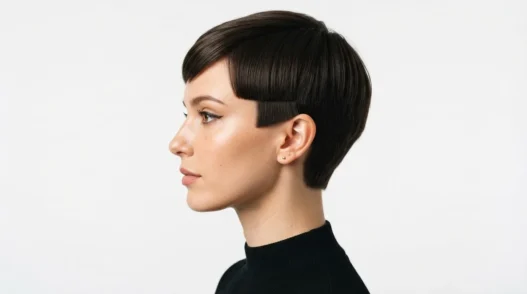
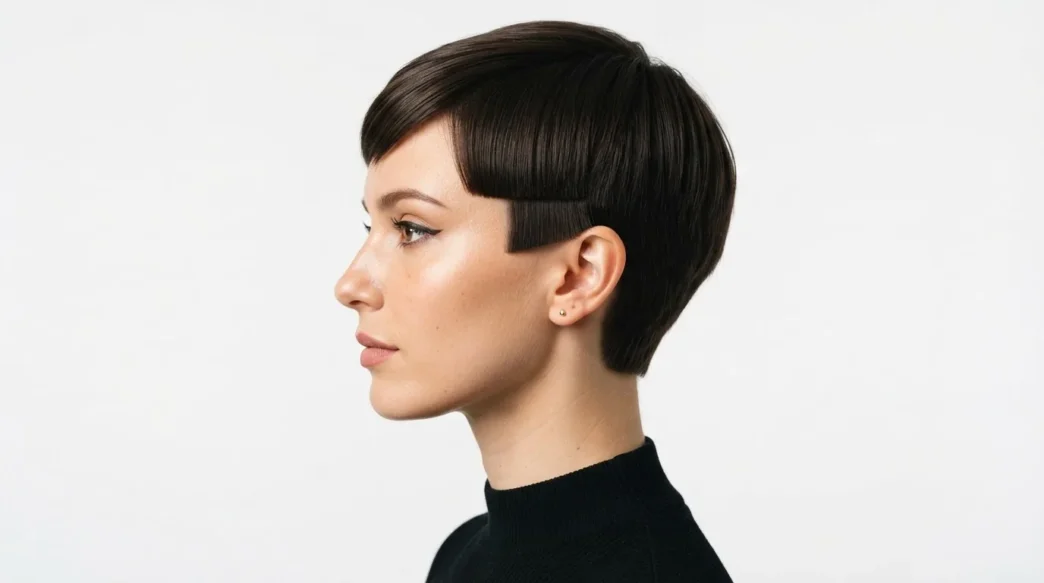
I became a little obsessed with performance hair the first time I stood at the back of a theatre and watched a woman with a geometric crop hold the entire room without saying a word. The cut did the work. That’s what stage and screen hair has always done — it travels across distance, survives brutal light, and tells you who someone is before they open their mouth. Twiggy 1960s imagery is the purest example I know: one face, one silhouette, and the whole world knew exactly who she was. I’ve been chasing that clarity in haircut form ever since.
Decade by Decade: The Looks in This Post
- 1. The Sixties Mod Pixie
- 2. The Sixties Graphic Fringe
- 3. The Sixties Sideburn Line
- 4. The Sixties Stage Beehive
- 5. The Late Sixties Shaggy Mod Cut
- 6. The Early Seventies Feathered Pixie
- 7. The Seventies Stadium Shag
- 8. The Seventies Farrah Flip
- 9. The Eighties Power Crop
- 10. The Nineties Sleek Revival
- 11. The 2026 Mod Geometry Comeback
1. The Sixties Mod Pixie
This is where everything starts. The mod pixie of the early-to-mid 1960s wasn’t just short — it was architectural. Scissored close at the back and sides, left just long enough on top to lie flat and clean, it was built for camera flash and stage lighting in equal measure. On Twiggy herself it looked almost translucent, like the skull was part of the design. That’s not an accident. Her stylist Leonard of Mayfair understood that under hot lights, volume becomes noise. Geometry becomes signal.
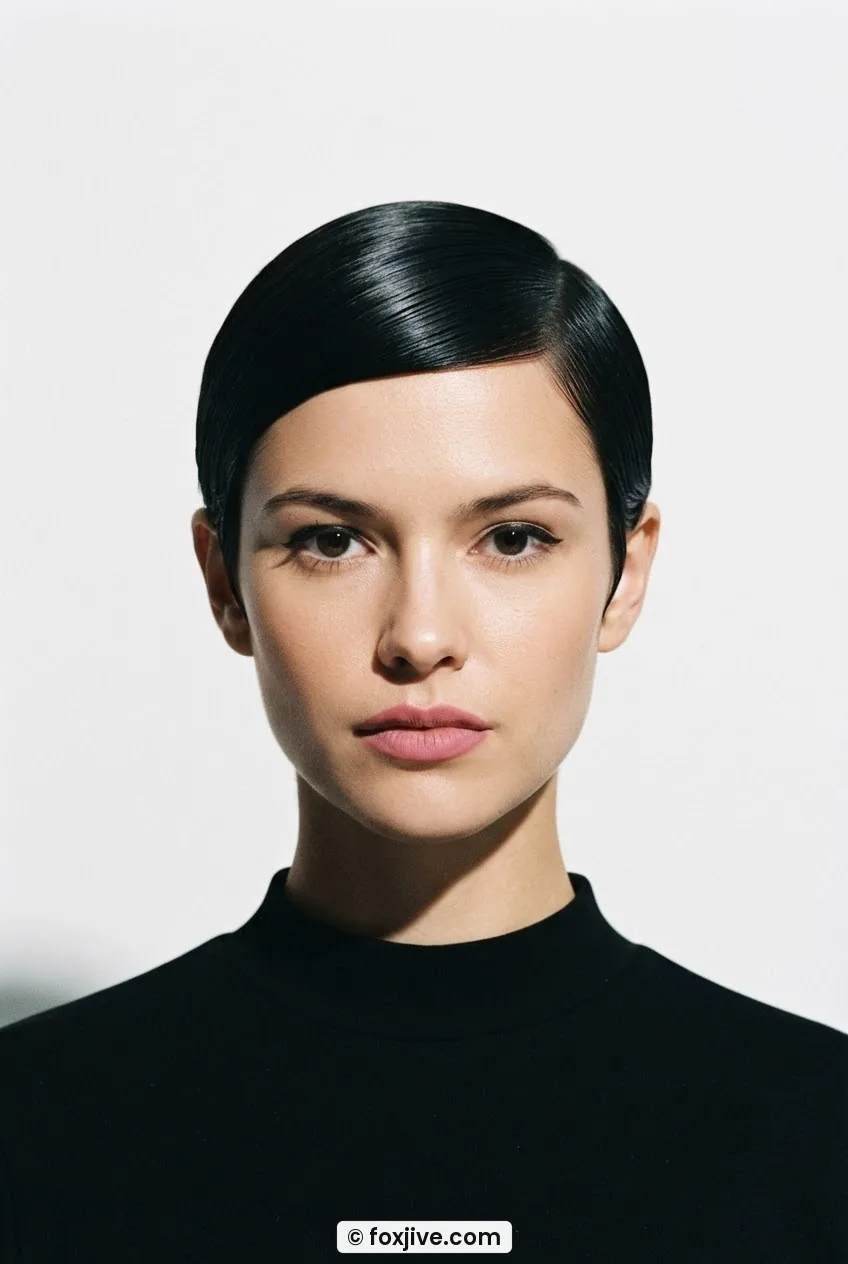
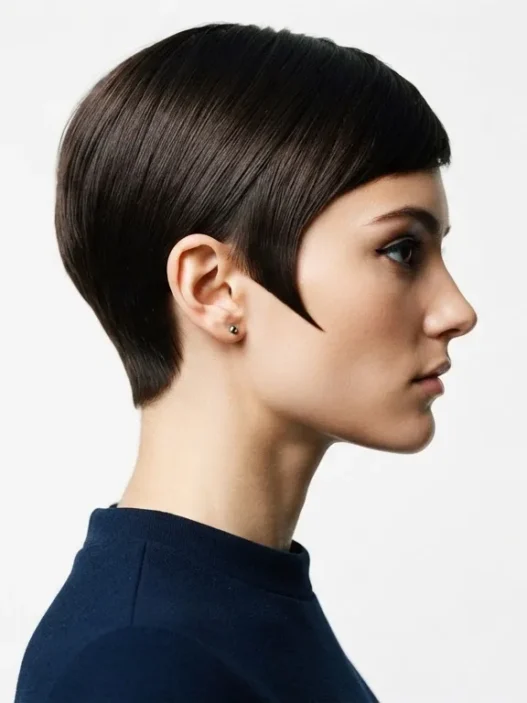
Look at how she’s wearing hers in this shot — the way the crop sits flat at the crown but still catches the light differently on each side. That’s what I mean about the cut doing the work. Nothing is accidental. If you want to understand why this silhouette still looks current in 2026, start here.
2. The Sixties Graphic Fringe
The blunt fringe of the 1960s wasn’t soft. It wasn’t wispy or side-swept or anything remotely apologetic. It was a horizontal line drawn across the forehead with absolute conviction, usually cut with a razor-sharp edge that sat right at the brow or just above it. Paired with the mod pixie it became a kind of visual logo — you could identify the silhouette from thirty feet away. That’s exactly what a performance look needs to do.
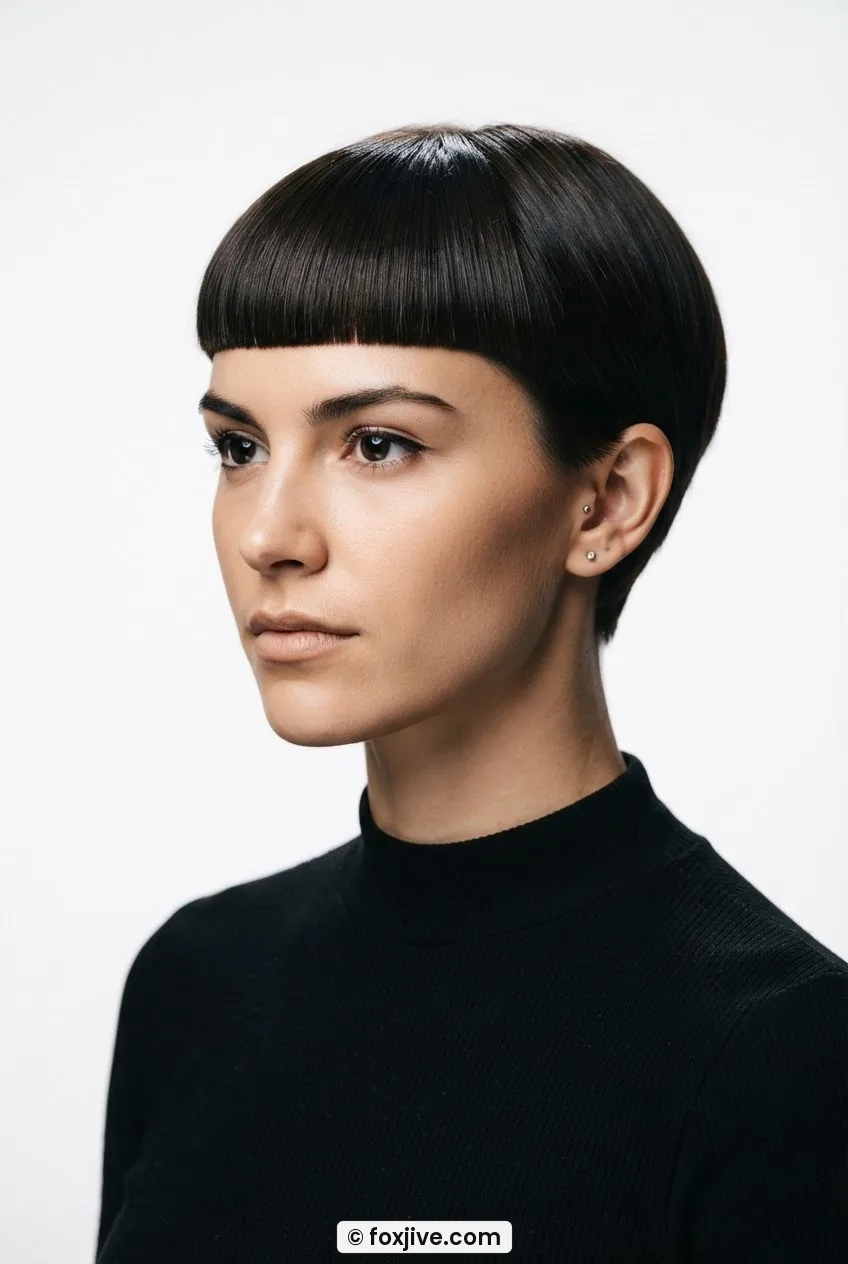
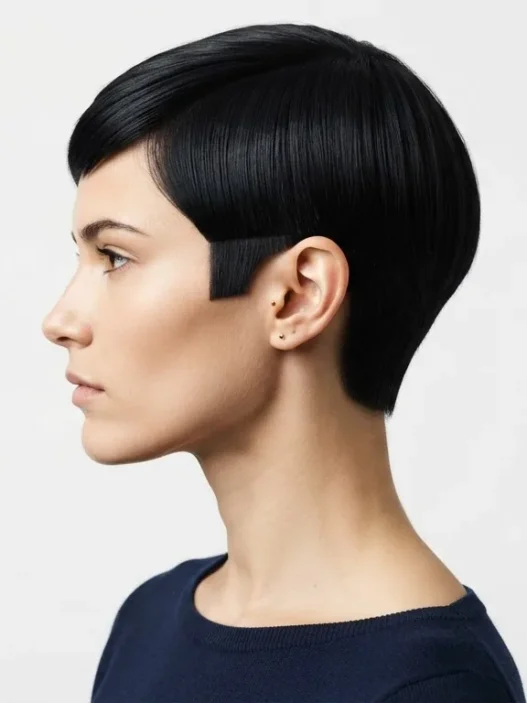
See the way her fringe meets the side of the cut in this photo? There’s no gradual transition. It just stops. The mod pixie and the graphic fringe are really one complete system — you need both for the full effect. I’ve seen people try to soften the fringe while keeping the cropped sides and it never quite lands. Commit to the line or don’t.
3. The Sixties Sideburn Line
People don’t talk about this enough. The sideburn line on a 1960s mod crop is one of the most defining details of the entire look — and one of the most often blundered in modern recreations. On the original cuts, it was tapered to a fine point at the cheekbone, sometimes extending almost to the corner of the jaw. It was deliberate. It created a facial frame that worked from every angle, which matters enormously when you’re being photographed from the side as much as the front.
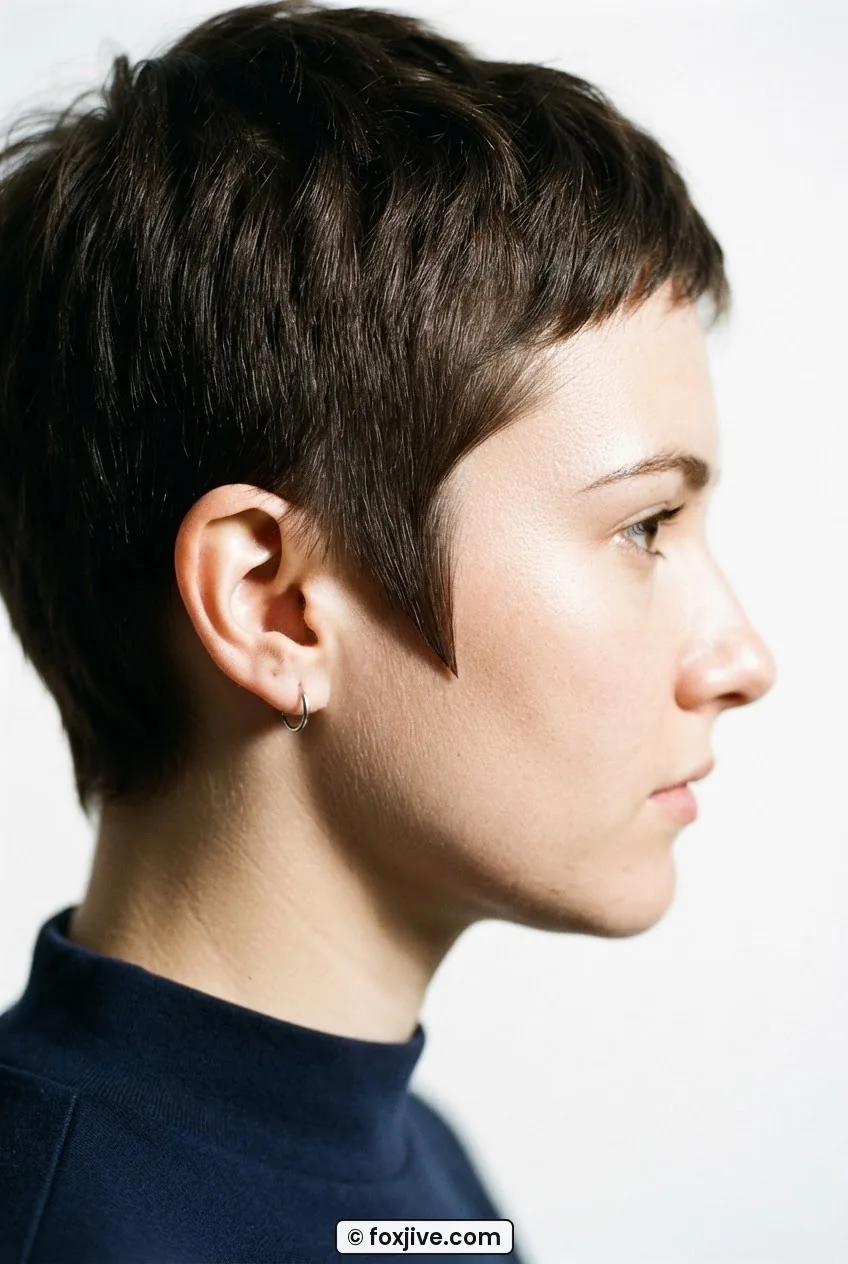
This is the detail I always ask a stylist to nail first. Get the sideburn line wrong and the whole thing reads as a generic short cut rather than a mod statement. If you’re looking for how the sideburn line is shaped so you can actually describe what you want in the chair, that knowledge is genuinely useful before you book the appointment.
How the Sideburn Line Actually Gets Cut
4. The Sixties Stage Beehive
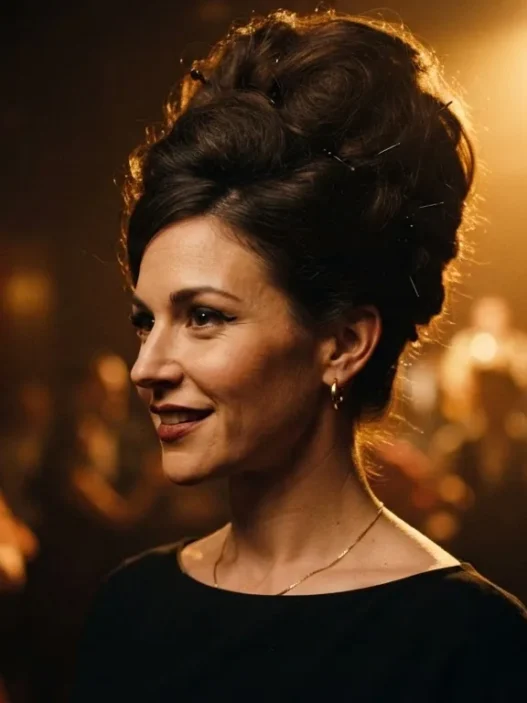
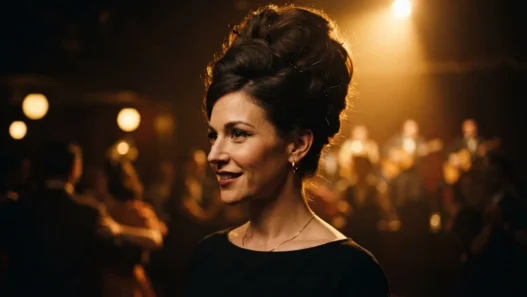
Not every 1960s icon went short. The beehive was the decade’s other great performance silhouette — tall, lacquered, structurally improbable, and completely magnificent under a spotlight. Where the mod pixie was about reduction and geometry, the beehive was about maximalism and verticality. Both were built for distance. Both worked in exactly the same way: you could read the shape of the hair from the back of a concert hall.
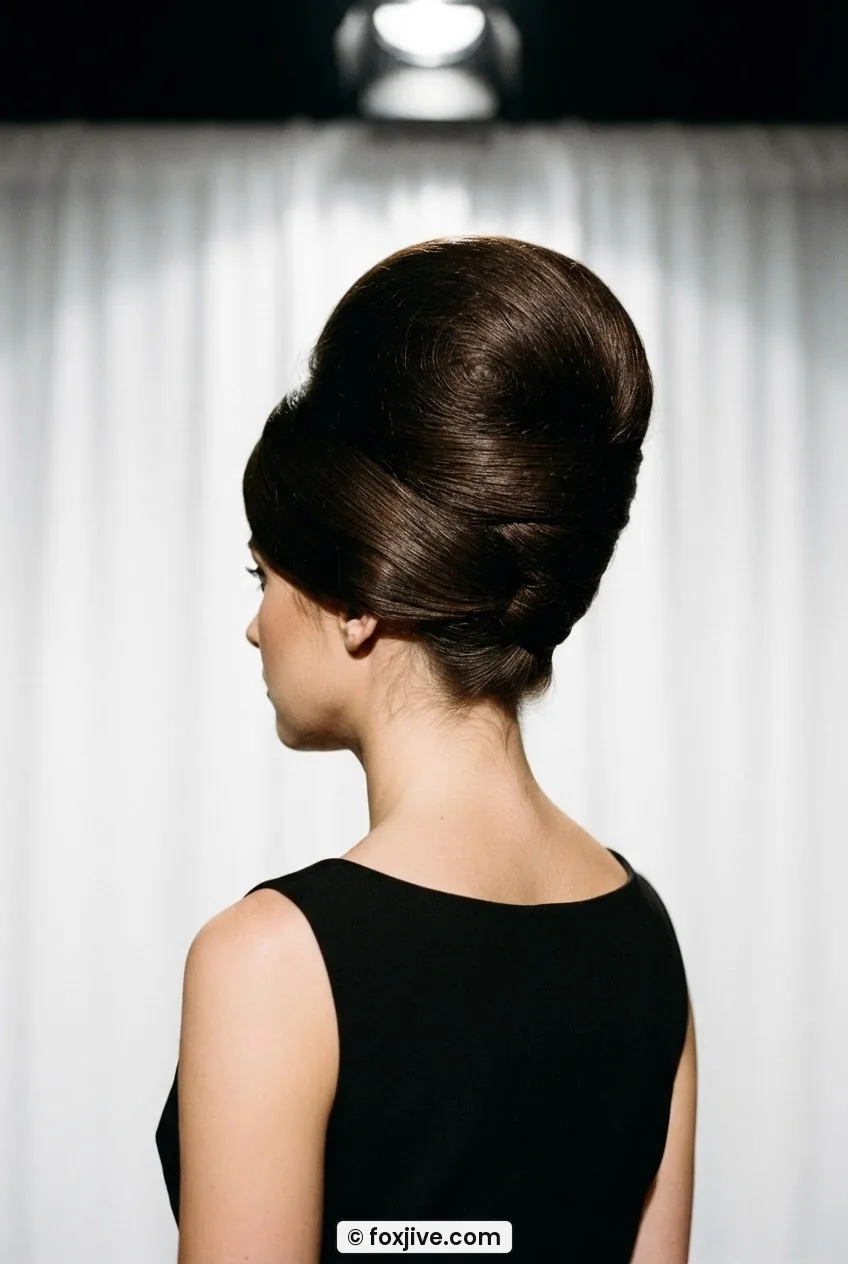
Patsy Cline, Dusty Springfield, the Ronettes — each of them understood that a beehive isn’t vanity, it’s engineering. The height extends the visual presence of the performer upward, into the lights. The lacquer keeps it stable through a full set. I find the beehive less wearable day-to-day than the pixie, but for a themed event or a stage performance? Nothing touches it. If you’re curious about the volume techniques that underpin similar styles, it’s worth exploring the beehive category for more context on how the structure actually works.
5. The Late Sixties Shaggy Mod Cut
By 1967 or 1968, something started softening. The hard geometry of early-decade mod was still there but it got layered over with something looser — a kind of shaggy mod hybrid that kept the cropped length but introduced texture and movement. Jane Birkin wore a version of this. So did Marianne Faithfull. The cut still read as deliberate and shaped from a distance, but up close you could see feathering and razoring and a deliberately disheveled quality.
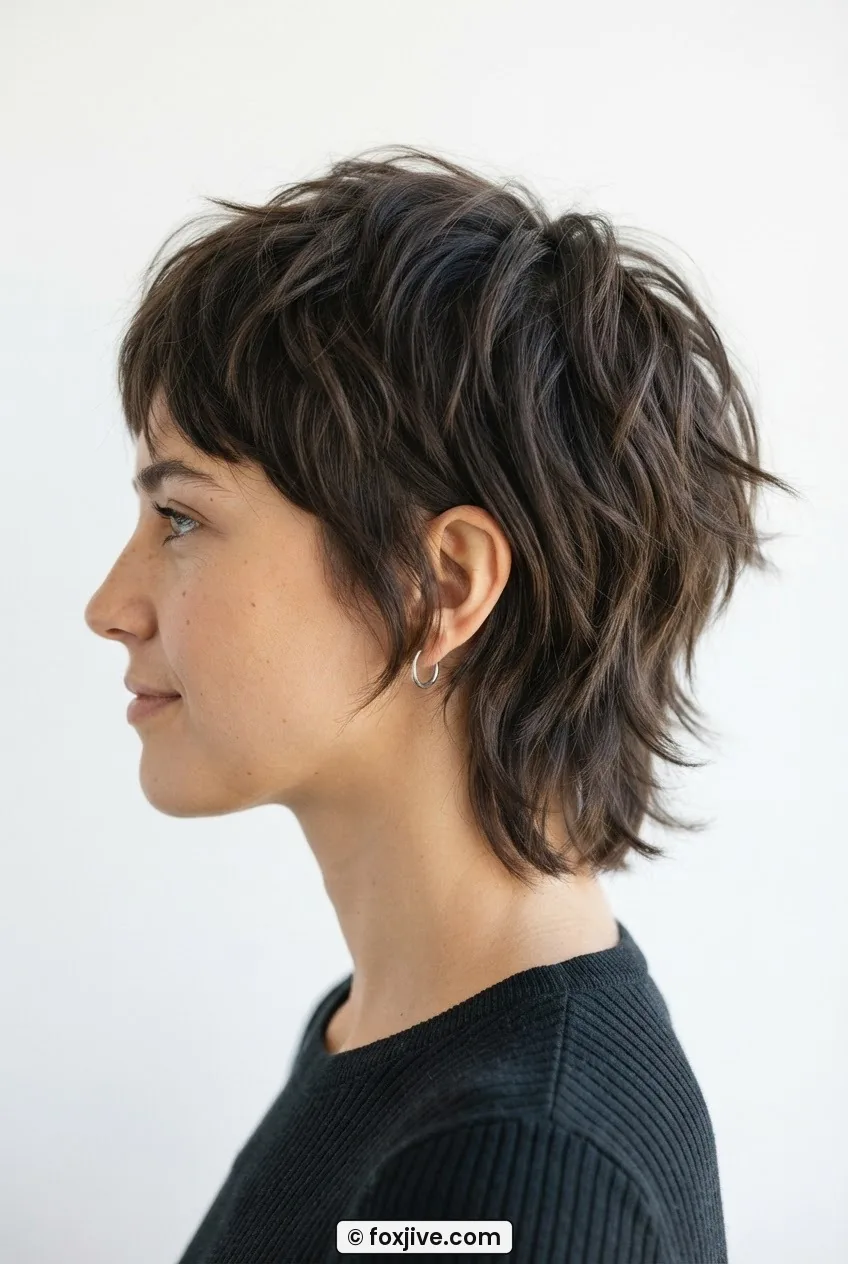
This is the transitional style I find most interesting — it’s the hinge between the rigidity of early sixties mod and the full-blown shag that would explode in the 1970s. The shaggy mod haircut is genuinely versatile in 2026 because it reads retro without being costume-y. The texture softens it just enough for everyday life.
My personal favorite in this entire chronology is the late sixties shaggy mod. It has all the visual intention of the earlier Twiggy cuts but enough lived-in texture to actually survive a full day. I’ve worn a version of it twice now and it’s the only short cut that’s ever made me feel like myself rather than like I’m playing dress-up.
6. The Early Seventies Feathered Pixie
The early 1970s kept the pixie length but grew out the texture. Feathering replaced precision. Layers replaced geometric edges. The result was a crop that moved — that caught air when you turned your head, that looked slightly different in every photo depending on how the light hit the layers. It was less about architecture and more about atmosphere.
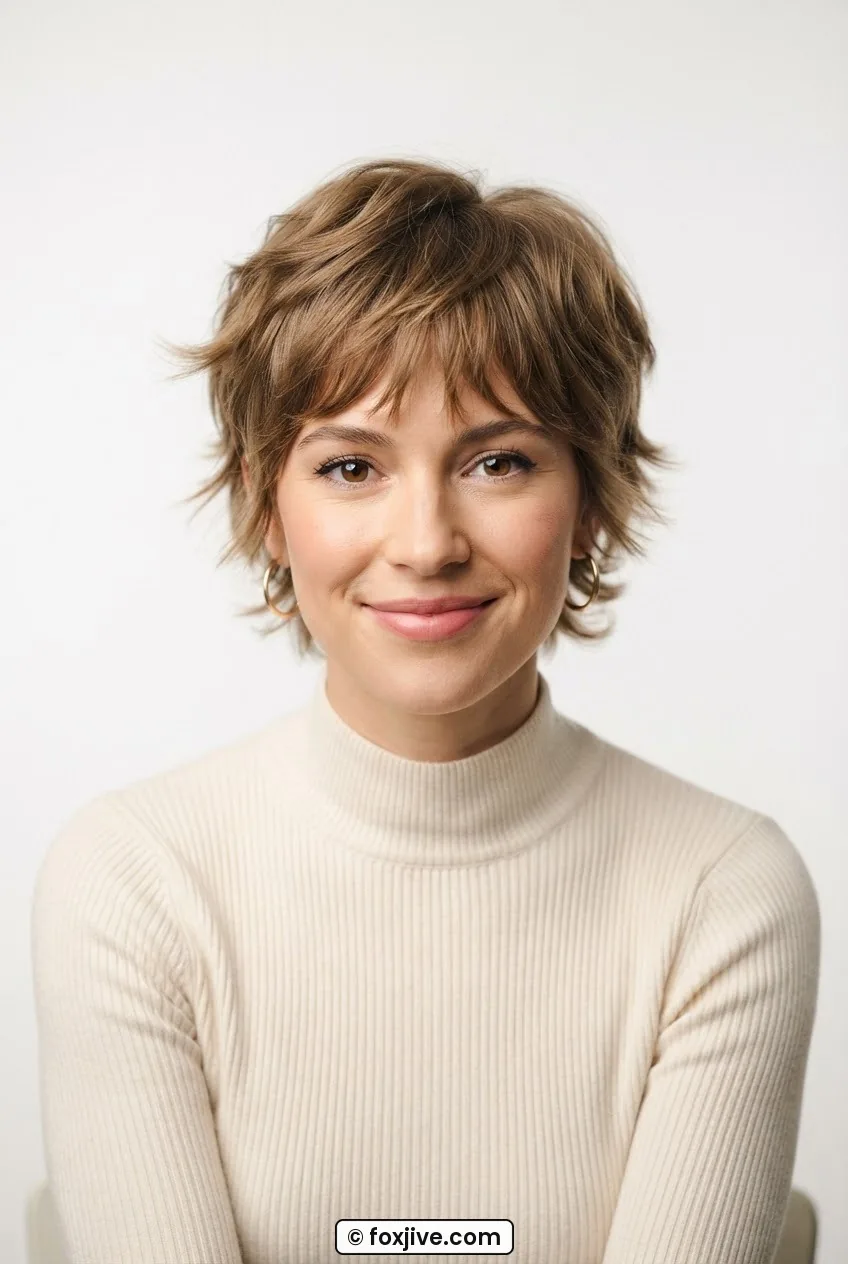
This is the look that kept short hair relevant as the decade swung toward longer, earthier silhouettes. It worked for performers because feathered layers catch stage light in a completely different way than lacquered geometry — you get glimmer and movement instead of sharp shadow lines. I think of it as the mod pixie’s softer, more approachable sibling.
7. The Seventies Stadium Shag
Here’s where performance hair went truly wild. The seventies stadium shag — medium-to-long, layered aggressively from the crown, with a curtain fringe that fell past the eyebrows — was built for a generation of musicians who needed to fill arenas rather than theatres. The layers created movement that registered even from the upper tier. Shake your head and the whole thing moved as a unit. It was spectacular.
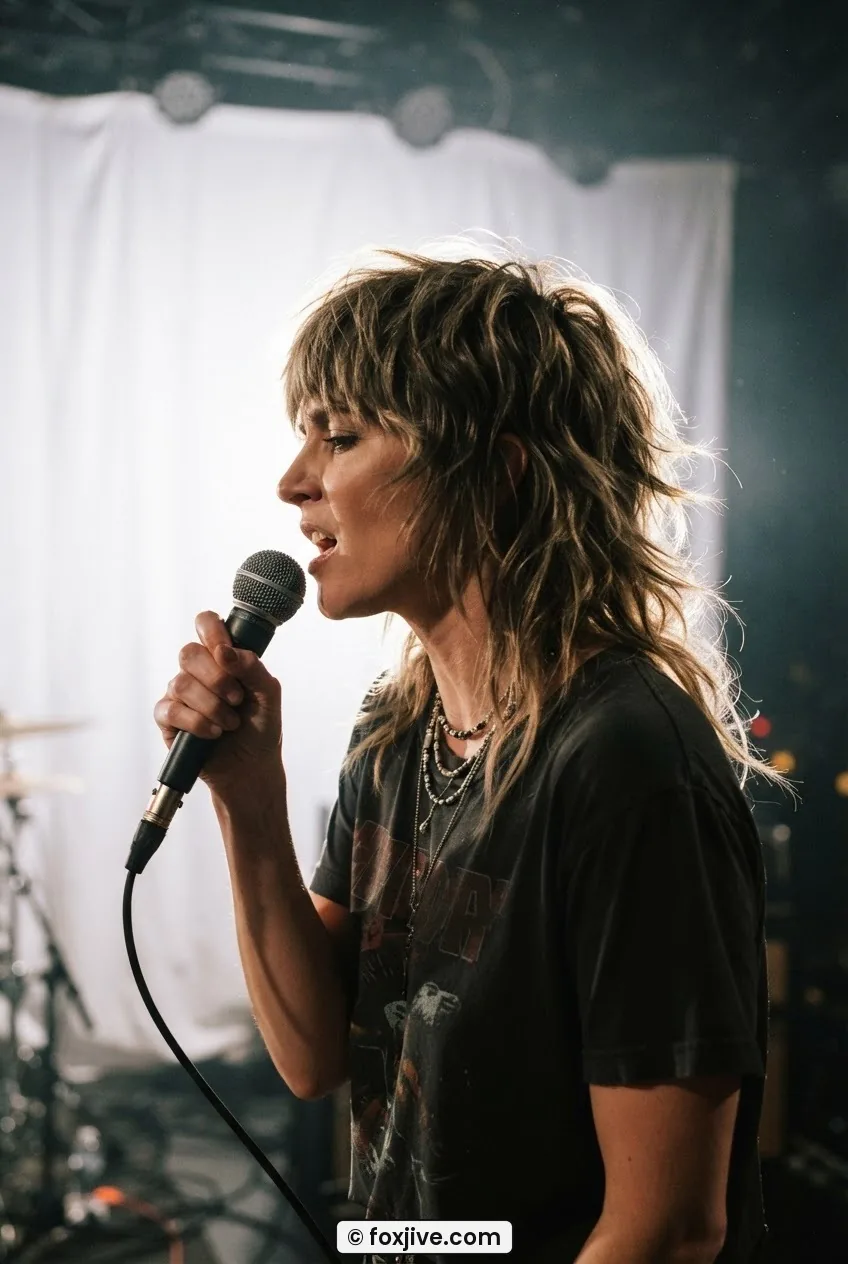
Suzi Quatro, Debbie Harry in her early Blondie years, Cherie Currie — they all wore versions of this. The shag was democratic in a way the sixties mod look wasn’t: it worked on straight hair, on wavy hair, on thick hair and fine hair with some strategic cutting. That adaptability is a big part of why it’s one of the most frequently revived cuts in the modern era. The Foxjive archive has a lot of ground covered on exactly this kind of layered retro cut if you want to dig deeper into the seventies end of the timeline.
8. The Seventies Farrah Flip
The Farrah Fawcett flick is so culturally embedded at this point that it almost feels like it exists outside of time. But it’s very specifically a mid-to-late seventies creation and it’s a masterclass in performance hair logic: long layers that frame the face when still, but that sweep back dramatically when the person moves. The blow-dried wings catch light. The flick at the ends creates a silhouette that’s identifiable from any distance.
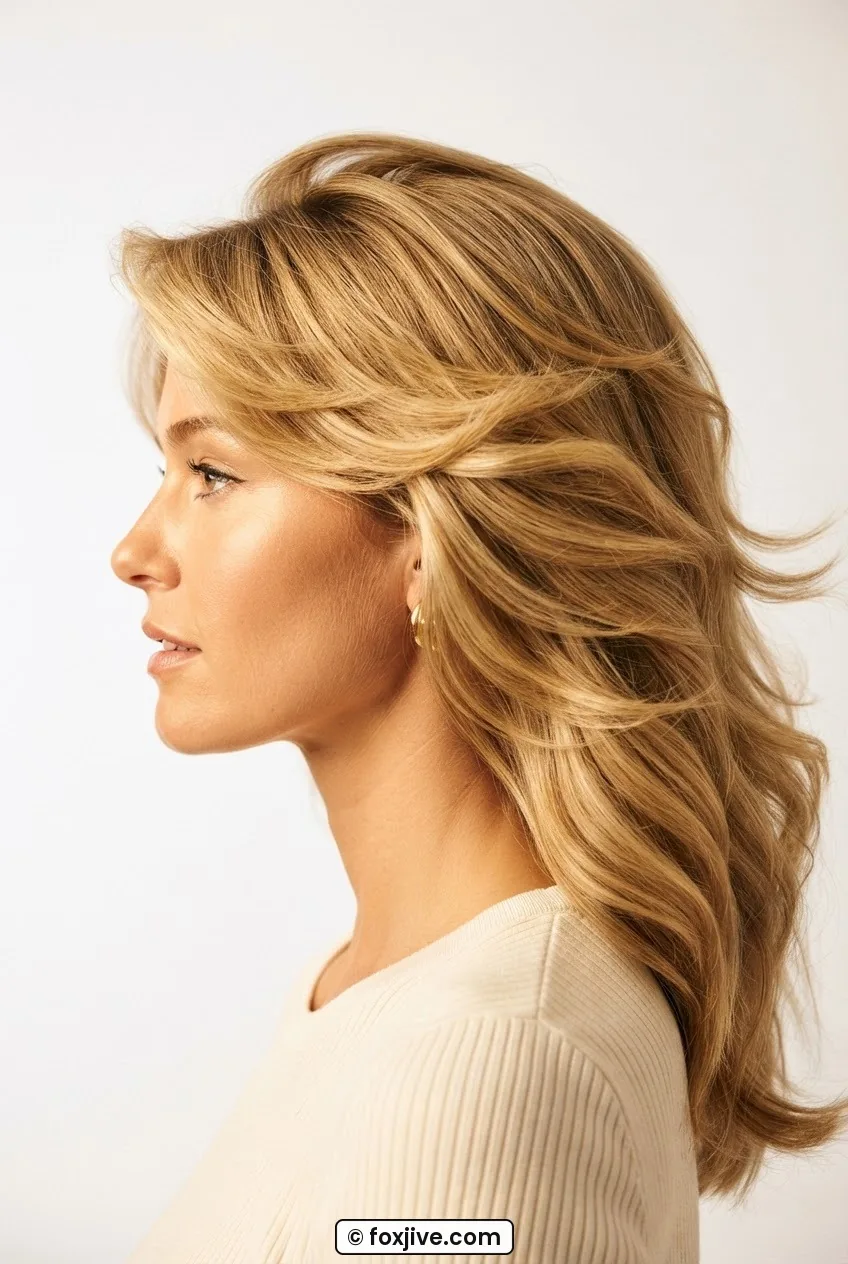
What I love about this look is how much warmth it carries compared to the cool geometry of the sixties cuts. The Farrah flip feels approachable and joyful, which tracks with where popular culture was in 1976 and 1977. On a performer it reads as accessible. On a civilian it reads as effortlessly glamorous. Genuinely hard to go wrong with this one if you’ve got the layers cut correctly, and understanding how to achieve the Farrah flick with the right brush technique makes all the difference.
9. The Eighties Power Crop
The 1980s took everything the sixties had done with the geometric crop and dialed the volume up to eleven. Annie Lennox’s near-shaved sides and architectural top, Grace Jones’s flat-top — these were sixties mod logic run through a decade that didn’t understand restraint. They were still performance silhouettes, still built to read at distance, but now they were weapons as much as hairstyles. Deliberately confrontational. Impossible to ignore.
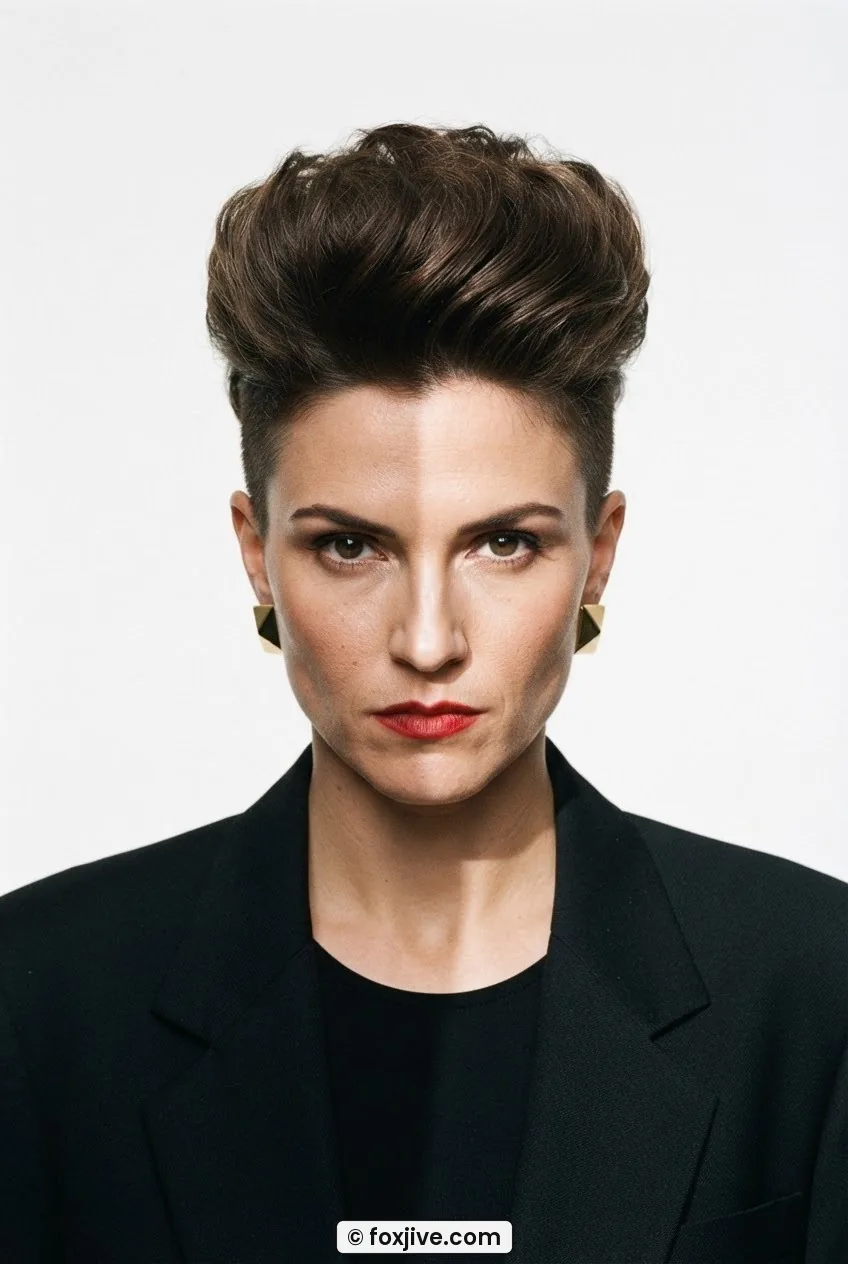
The power crop is the eighties entry on this list that I find hardest to wear casually, and I think that’s actually the point. It demands a certain amount of commitment — physically, socially — that the earlier mod pixie doesn’t. Which is exactly why it worked so well for musicians who were making confrontational music. The style and the sound were one statement.
If you’re interested in how shorter cuts from adjacent decades connected — like how the victory roll silhouettes of the 1940s also built structured framing around the face — the 9 Victory Roll Ideas Ranked by How Long They Take is a surprisingly useful companion read for understanding how volume and geometry function across eras. And if you want to go deeper into the forties end of that spectrum, the full Victory Rolls category is worth a browse.
10. The Nineties Sleek Revival
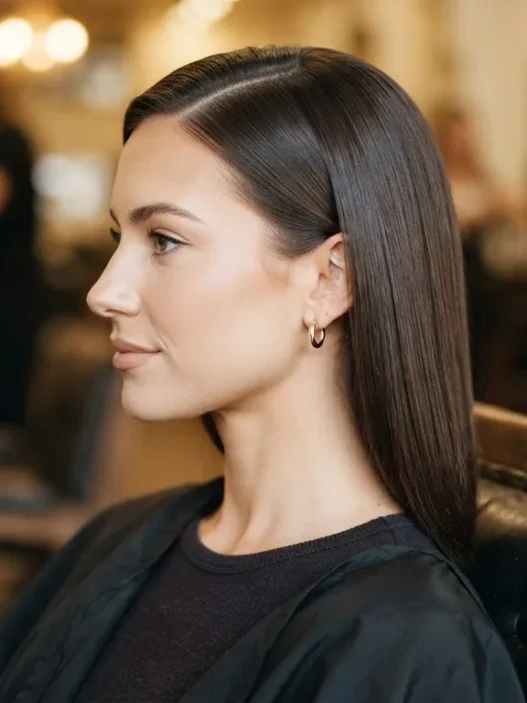
The 1990s did something interesting with the sixties mod vocabulary: it stripped out the texture, flattened the fringe, and made the whole thing sleek and almost severe. Linda Evangelista’s chameleonic short cuts of the early nineties are the clearest example — she would move from a slicked-down mod crop to a waved bob within the same year. The silhouette was still geometric but the finish was glossy, almost wet-look, completely at odds with the deliberately rough texture of the seventies and eighties.
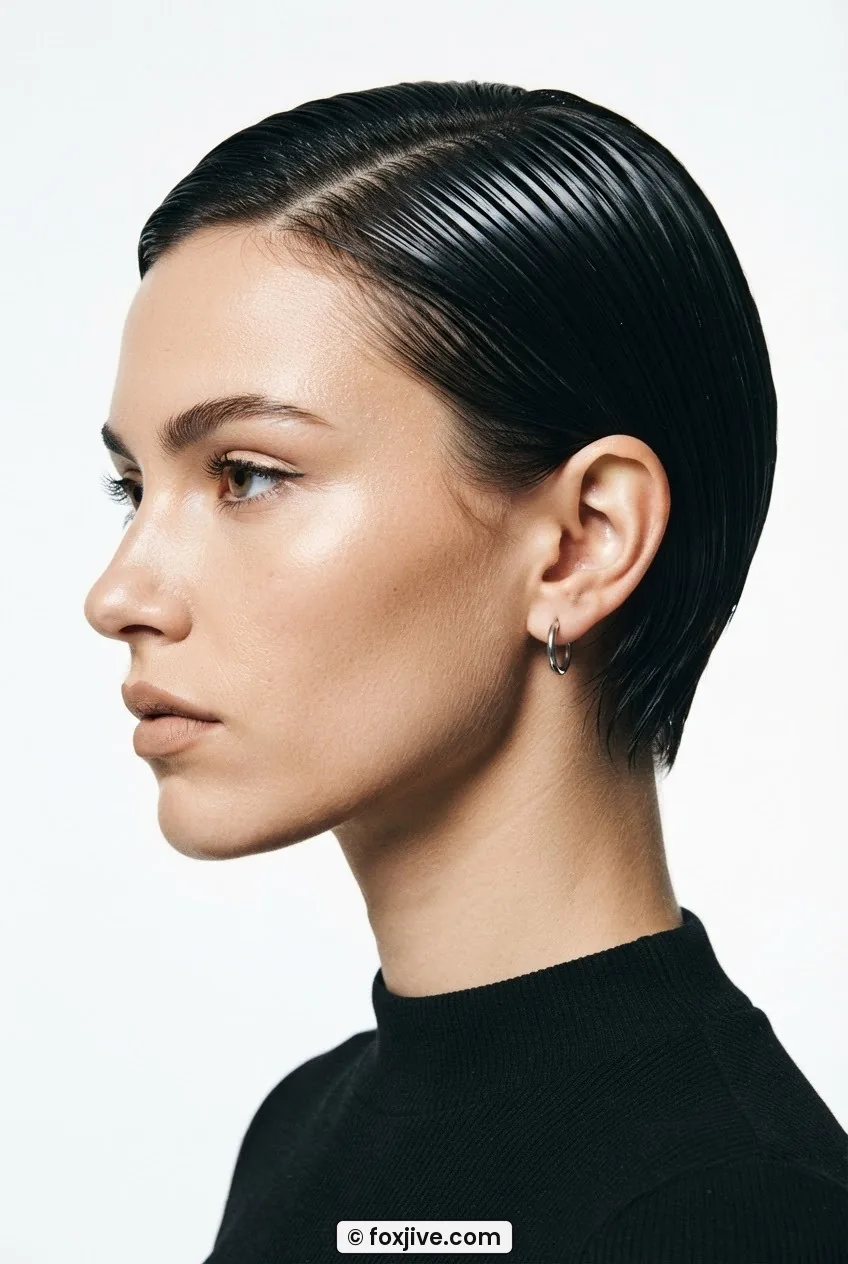
This is a look that photographs extraordinarily well under studio lighting. The sleek surface reflects light rather than diffusing it, so you get very clean, graphic images. On a runway it was perfect. On a stage it was slightly less effective because the gloss doesn’t read at distance — you lose the texture cues. But for editorial work, for screen, for any close-up context? The nineties sleek revival is genuinely beautiful and much less demanding to maintain than it looks, which is a big part of why it keeps coming back in some form every few years.
11. The 2026 Mod Geometry Comeback
And here we are. In 2026 the mod pixie is back in a very specific form — not as nostalgia exactly, but as a genuine aesthetic choice made by people who understand what the original was doing. The new version combines the hard geometric lines of the sixties with a slightly longer top that allows for more styling variation. You can slick it, you can push it forward for a fringe effect, you can let it air-dry into something softer. The sideburn line is still sharp. The neckline is still clean.
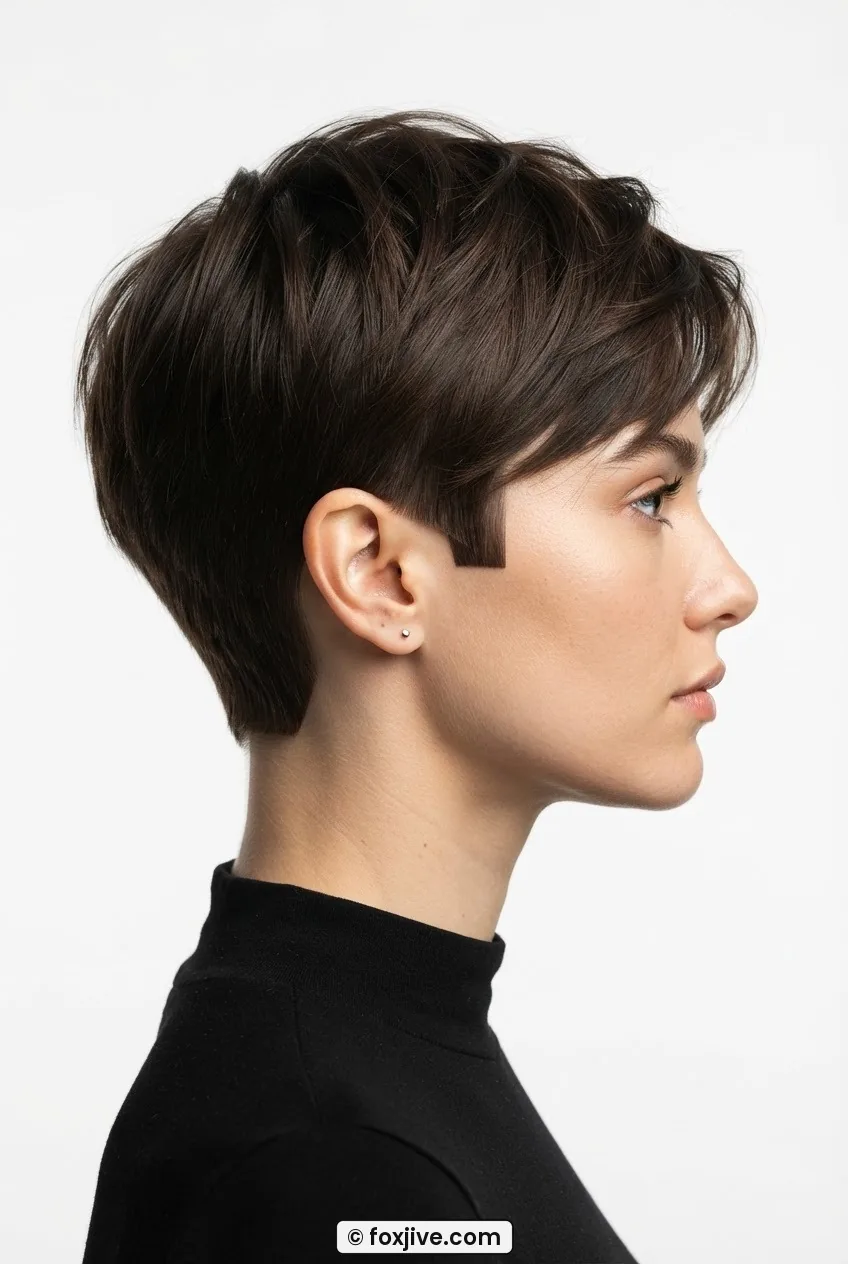
What makes this current iteration interesting to me is how consciously it references the original logic of performance hair. People choosing this cut in 2026 aren’t necessarily thinking about Twiggy by name, but they’re responding to the same underlying idea: that a sufficiently strong silhouette communicates identity without any other effort required. That’s not a trend. That’s just good design.
Questions I Get About Mod Hair
Is the Twiggy pixie actually flattering for all face shapes?
Honestly, more than people think. The mod pixie creates strong cheekbone framing through the sideburn line, which flatters oval, heart, and diamond faces particularly well. Round and square face shapes can work with it too — a slightly longer top and a fringe that cuts horizontally can balance wider jawlines. The key is finding a stylist who will actually customize the sideburn taper to your specific bone structure rather than doing a generic short crop.
How often does a mod pixie need to be trimmed to keep its shape?
Every four to six weeks, minimum, if you want the geometry to stay sharp. The sideburn line and neckline grow out fast and they’re the first things to blur the silhouette. I’ve stretched it to eight weeks before and regretted it — the whole look goes soft and slightly sad. Budget for frequent trims when you commit to this cut. It’s part of the deal.
What’s the difference between a mod pixie and a regular pixie cut?
The geometry. A regular pixie can be quite casual — soft edges, graduated sides, textured top. The mod pixie has deliberate hard lines: a precisely tapered sideburn, a clean neckline, and a fringe that is either completely blunt or completely absent. It’s the difference between a sketch and a blueprint. Both are pixie cuts. Only one of them reads as a deliberate graphic statement.
Can I grow out a mod pixie without a painful in-between phase?
You can manage it. The late-sixties shaggy mod look — number five on this list — is basically what a growing-out mod pixie looks like when it’s handled well. Ask your stylist to start feathering the sides rather than tapering them as it grows, and resist the urge to push everything back. Letting the sides grow forward into a softer frame means the in-between phase has its own distinct personality rather than looking like a mistake.
The through-line in all eleven of these looks is that same original logic: hair built to communicate at a distance, under unforgiving light, without any help from words. That’s what performance hair has always been about, and it’s why these silhouettes keep coming back. They work. They’ve always worked. If you have thoughts, questions, or want to share your own mod-crop story, I’d genuinely love to hear it — you can always reach me through the contact page.