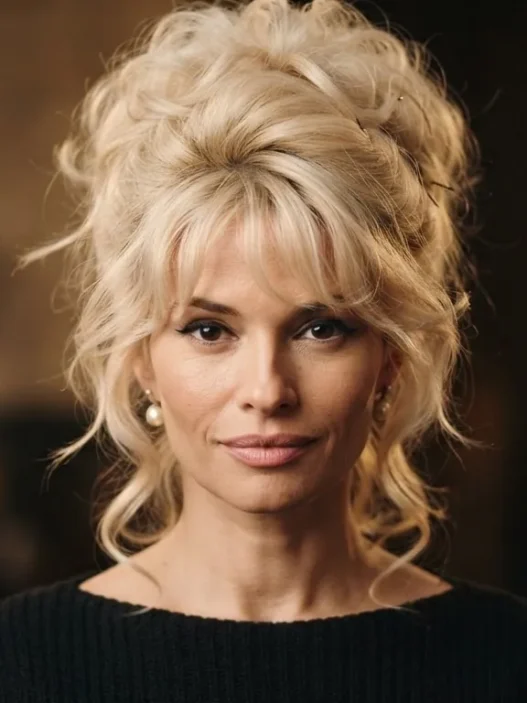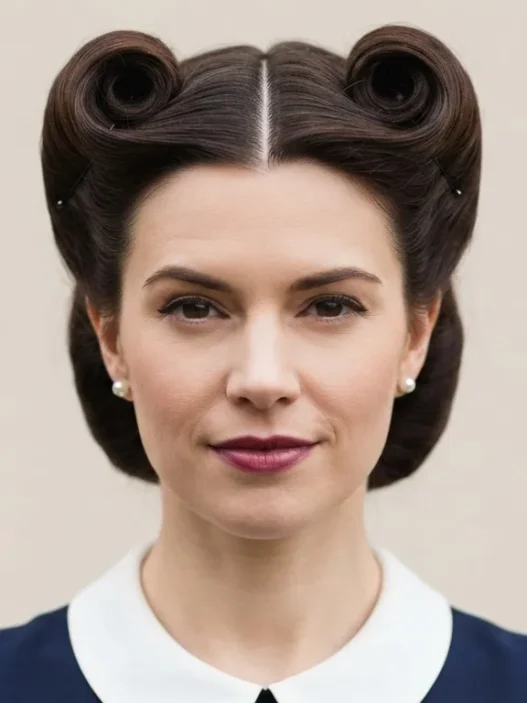







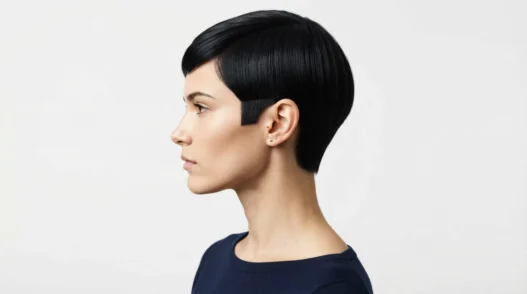
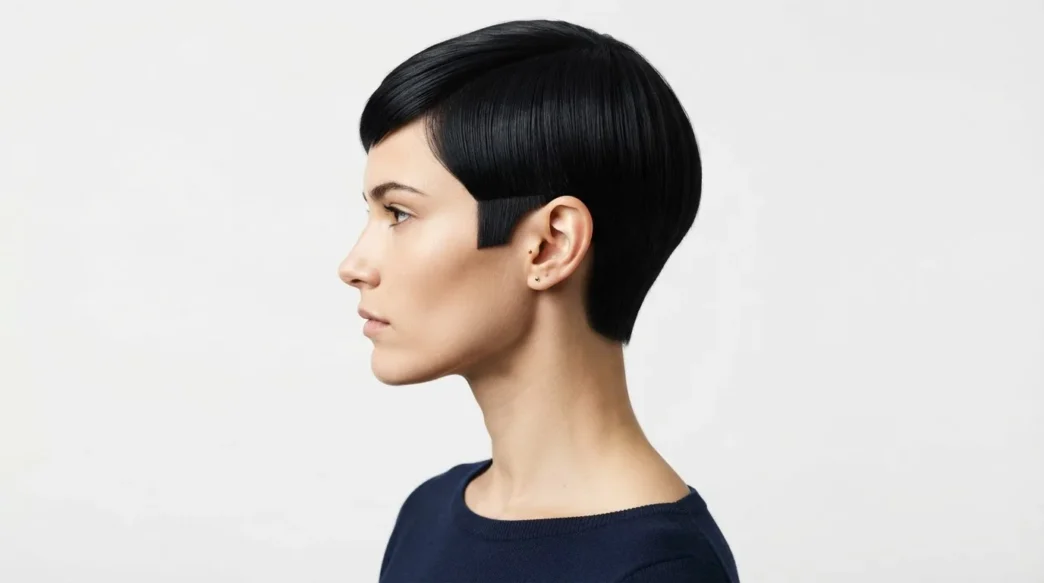
Short hair has always had more vintage options than long hair — I know that surprises people, but it’s completely true. The decades between 1920 and 1980 were obsessed with precision cuts that sat at the ear, the nape, the jaw. When most women think “vintage hair,” they picture cascading waves, but the real icons? They were working with very little length and making it look revolutionary. Jane Birkin — that effortless, slightly undone gamine — is probably my favorite proof of this. She didn’t need a single inch below her jaw to become one of the most copied hair references in history. Everything on this list follows her lead: nothing here needs length. I’ve included the minimum you need for each one, the decade it came from, and how to actually style it.
Your Short Vintage Hair Roadmap
- 1. One Inch — The Sixties Mod Pixie
- 2. One and a Half Inches — The Eton Crop
- 3. Two Inches — The Shingle Bob
- 4. Two Inches — The French Gamine Fringe
- 5. Three Inches — The Seventies Textured Crop
- 6. Three Inches — The Twenties Flapper Nape
- 7. Four Inches — The Birkin Curtain Bang Cut
- 8. Four Inches — The Marcel Bob
- 9. Five Inches — The Mod Geometric Bob
- 10. Five Inches — The Thirties Finger-Wave Bob
- 11. Six Inches — The Grow-Out Shag
1. One Inch — The Sixties Mod Pixie
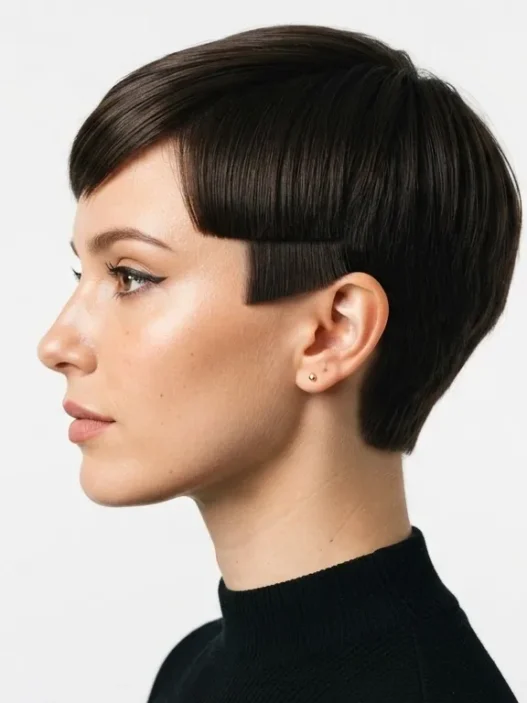
One inch of hair on top. That’s genuinely all you need for this. The sixties mod pixie — think Twiggy at her most geometric, or Mia Farrow the year everyone couldn’t stop talking about her — is built on clipper-close sides and just enough on the crown to show a direction. The sideburn line is razor-sharp, almost architectural. Look at the way the cut sits in the photo here — she’s got maybe an inch of length at the front, and the whole thing reads as intensely deliberate rather than simply short.
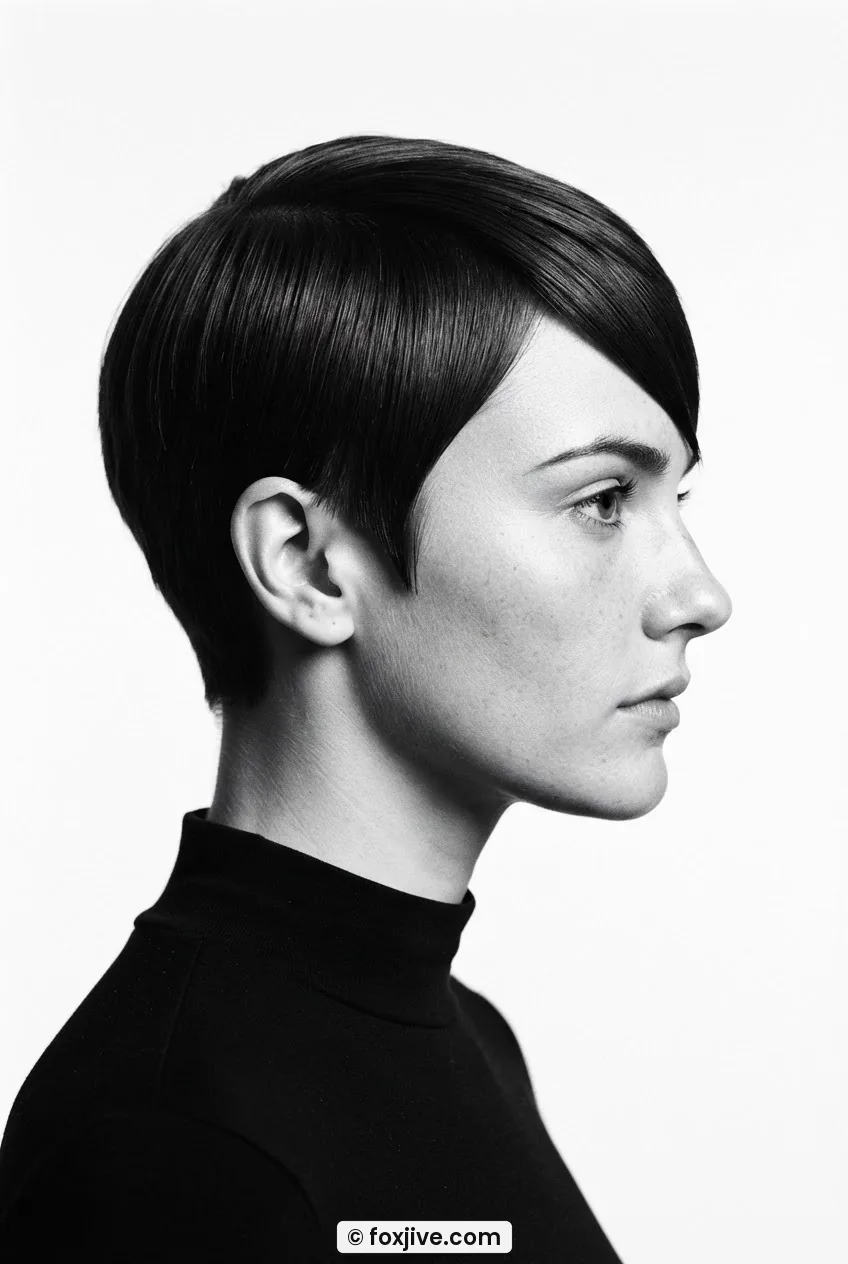
To style it, you essentially do nothing. A tiny dot of pomade pressed through the crown, maybe a comb swept forward to create that classic mod fringe point. The danger zone is over-styling — the whole appeal is that it looks like it cost nothing to maintain while actually requiring a very precise cut every four to six weeks. If you want to read up on the technical side, the history and technique of the mod pixie is genuinely fascinating.
2. One and a Half Inches — The Eton Crop
One and a half inches. The Eton crop is a 1920s invention and it remains one of the most aggressively cool haircuts ever conceived. It arrived when short hair was still genuinely scandalous on women — which, if you know anything about the twenties, only made it more appealing to the women who wore it. The sides are clipped close to the skull, the top sits flat and slightly to one side, and the overall silhouette is almost boyish. Almost.
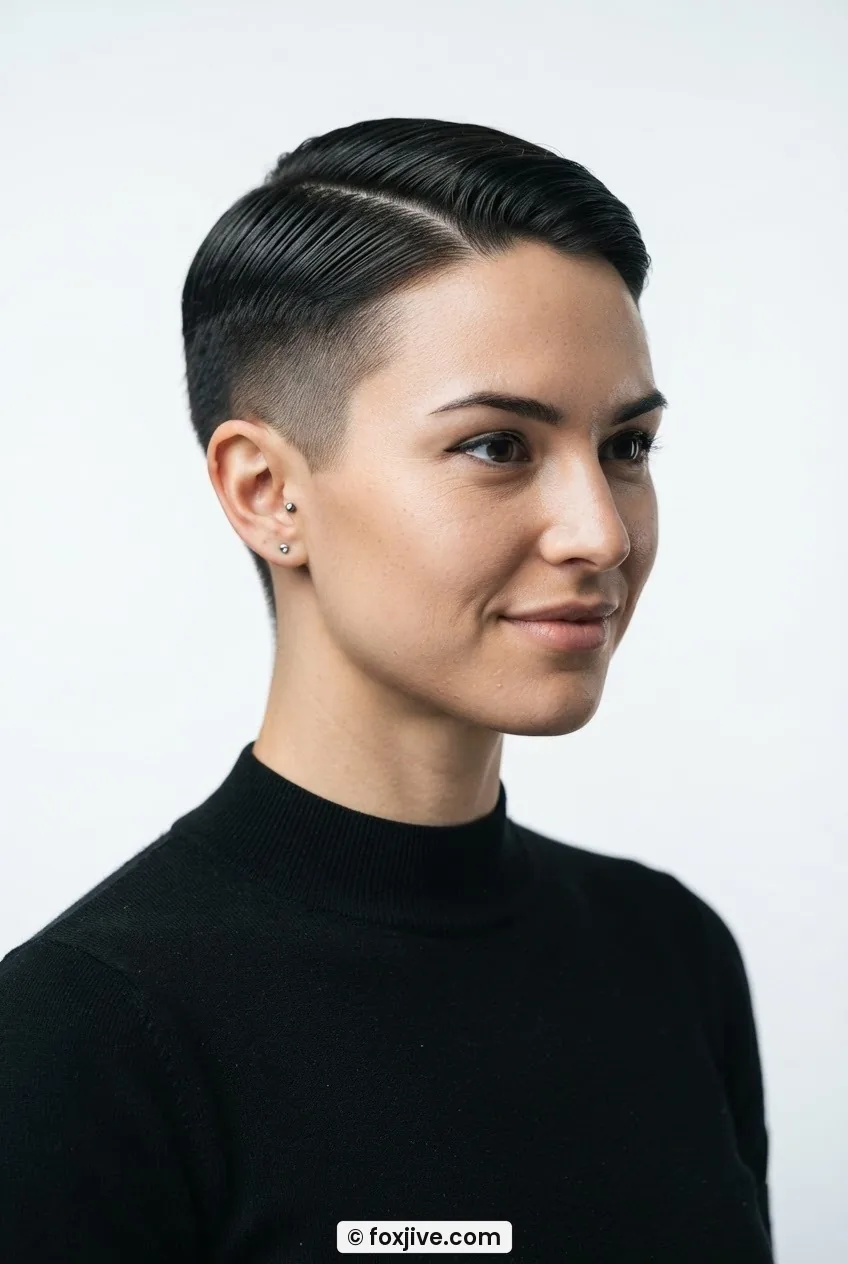
The styling here is all about a light brilliantine or pomade — something with hold and a low shine that keeps everything smoothed down without looking wet. If your hair is fine, this cut will make it look thicker. If your hair is thick, a skilled barber (and yes, go to a barber for this one) will texturise the crown so it lies flat. I love this cut on people who say their face is “too round” for short hair — the flat top and close sides create vertical proportion in a way that genuinely works. Over on Foxjive.com we talk about this kind of face-shape misconception quite a bit, because so many women talk themselves out of cuts that would actually suit them.
3. Two Inches — The Shingle Bob
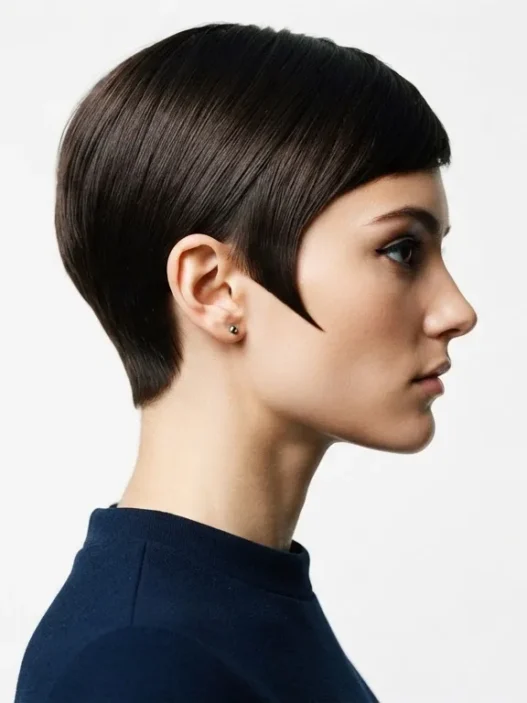
Two inches at the longest point. The shingle bob is cut close at the nape — sometimes down to the actual hairline — and then slightly longer toward the face, creating a V or U shape at the back that you can only see from behind. It’s a 1920s silhouette that quietly returned in the late 1960s when geometric cutting came back into fashion. The front pieces sit somewhere between the ear and the cheekbone.
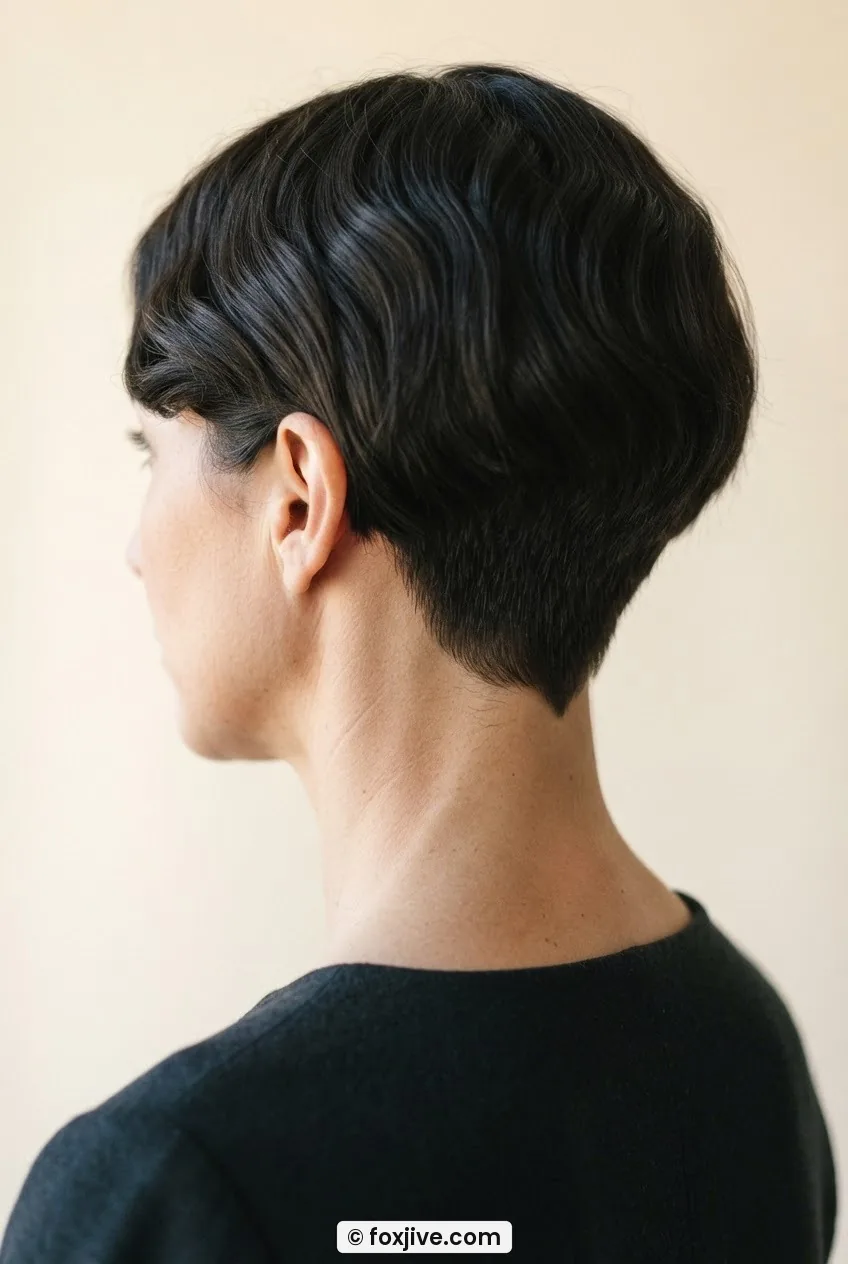
What makes the shingle bob interesting in 2026 is how clean it looks without any styling effort. Sleep on it, shake it out, done. The nape is so short that it never gets that awkward growing-out frizz that haunts longer bobs. I’d argue this is actually the lowest-maintenance vintage cut on this entire list. The only thing you need is a good cut to start with — the geometry has to be precise or the whole thing falls apart.
4. Two Inches — The French Gamine Fringe
Two inches — but this time the emphasis is entirely on the fringe. This is the Jane Birkin cut in its most essential form: baby-fine, slightly grown-out, hovering above the brows in a way that looks completely uncontrived. The back and sides can be cropped close, or left to feather slightly. What matters is that fringe.

The secret to getting this right is cutting the fringe point-cut rather than blunt. Blunt fringe at this length reads very 1990s Pulp Fiction — which is great if that’s what you want, but not what we’re going for here. Point-cut means the scissors go into the ends at an angle, creating a slightly feathered, uneven line that moves and settles naturally. Jane Birkin herself always looked like her fringe had been cut in a hurry, which was actually the whole point. It’s a studied kind of carelessness.
My personal pick for anyone who keeps saying they “can’t do short hair” — this is the one. Two inches of fringe and a close back cut, and suddenly you look effortlessly French in a way that no amount of length ever achieves. I pushed a friend toward this and she’s been wearing it ever since.
5. Three Inches — The Seventies Textured Crop
Three inches of lived-in, slightly shaggy texture. The seventies textured crop is what happens when the rigid geometry of the sixties starts to relax — the layers get choppier, the ends are left a little rough, and the whole thing has that warm, tousled quality that defined the early 1970s. Think of it as the pixie’s slightly messier older sibling.
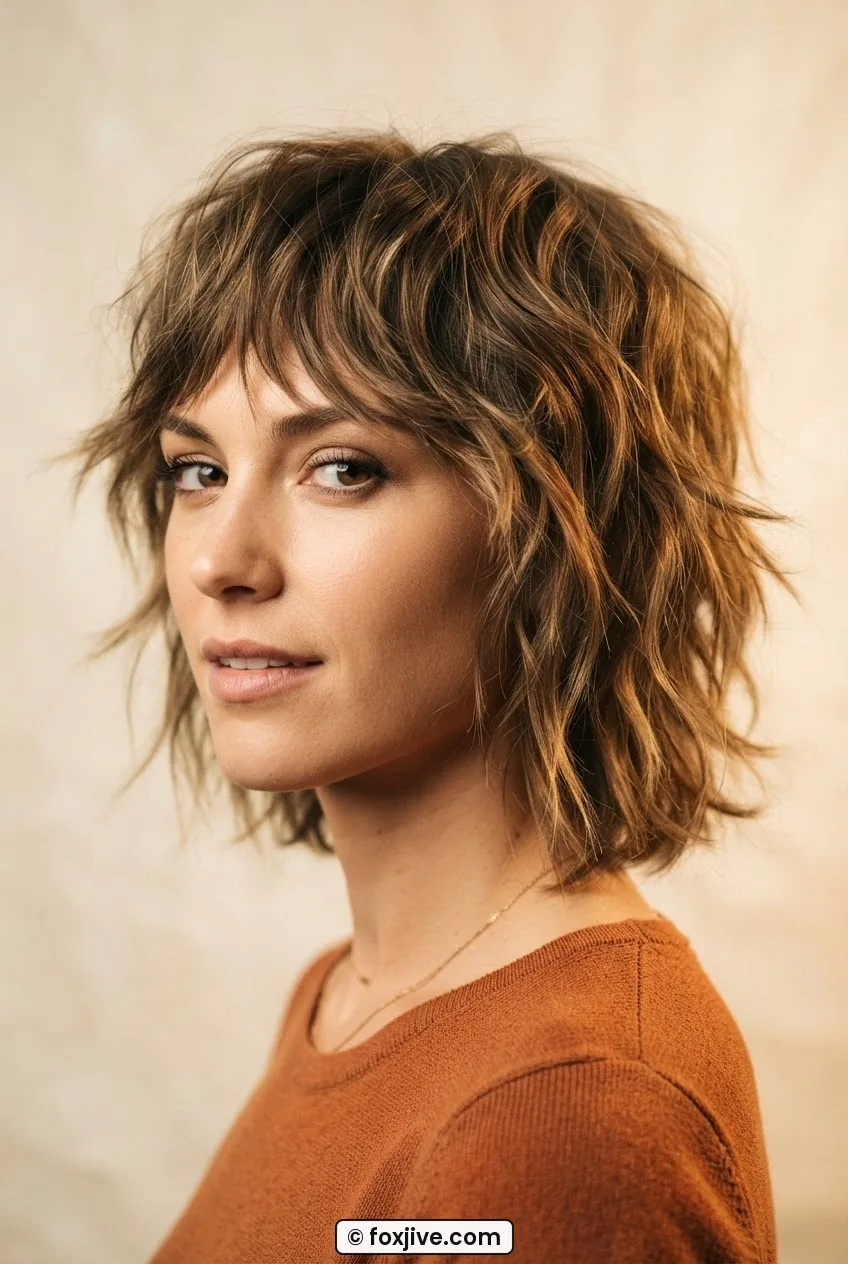
Styling this is actually the most fun of any cut on this list. You’re working with a sea salt spray or a texturising cream, scrunching the top, letting it dry however it wants, and then just adjusting a few pieces with your fingers. No brush required. The seventies textured crop suits almost every hair texture — straight hair gets grip from the product, wavy hair turns into something that looks genuinely styled, and curly hair becomes a sculptural little cloud that’s honestly incredible.
This is also the cut that bridges the gap between “vintage” and “current” most naturally right now in 2026. You can wear this and look like you’re referencing something, or you can wear it and just look modern. Either works.
6. Three Inches — The Twenties Flapper Nape
Three inches overall, with the defining feature being how it sits at the nape — pinned, kiss-curled, or left in small natural waves against the skin. The flapper nape was the finishing touch of the 1920s bob: the back hairline became a focal point rather than an afterthought. Little spiral curls were pressed flat against the nape with pomade or a damp finger, sometimes in a deliberate pattern.
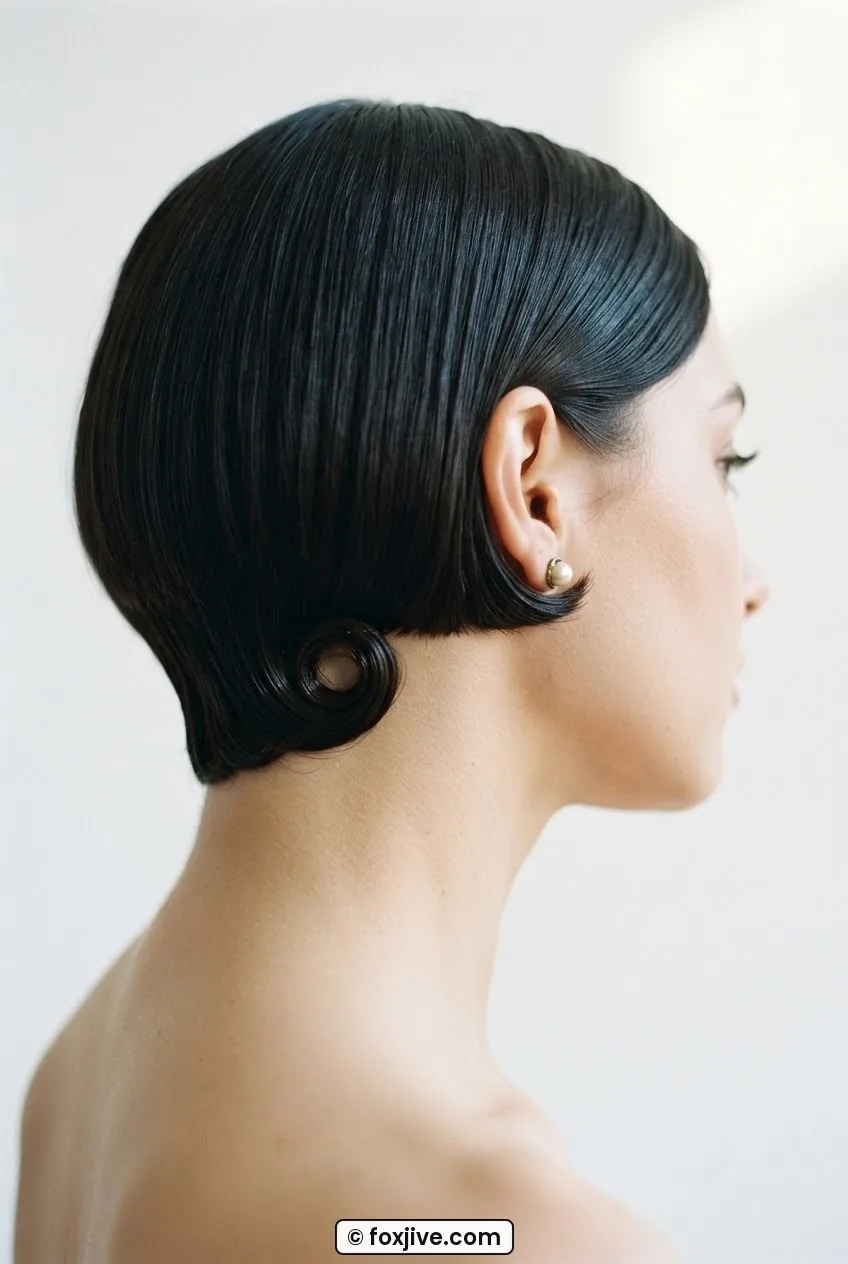
This sounds fussy, but it genuinely isn’t once you know how. A small section of hair, a dab of pomade, twist it around your finger and press it against the nape, hold for thirty seconds. Done. It lasts all evening. The effect is incredibly elegant and reads as definitively 1920s in a way that’s hard to achieve with longer hair. You can also read about vintage pin curl techniques to add similar texture throughout if you want to go full twenties.
7. Four Inches — The Birkin Curtain Bang Cut
Four inches. This is the specific length where Jane Birkin’s own most iconic look lived — longer than a pixie, shorter than anything you’d call a bob, with a curtain fringe parted loosely in the center that fell just past the brows. The sides skimmed the ear. The back was cut close. The whole thing looked like it might have grown out from something shorter, which gave it that particular gamine softness.

If I had to recommend one cut from this entire list to someone who’s nervous about going short, it would be this one. Four inches feels like it leaves options open. You can tuck the sides behind your ears for a neater look, or let them fall forward. The curtain fringe is forgiving — it works across face shapes in a way that a blunt fringe doesn’t. And because the reference point is so specific and so well-documented, it’s genuinely easy to show a stylist what you want. Just say “Jane Birkin, 1969” and hand them your phone.
8. Four Inches — The Marcel Bob
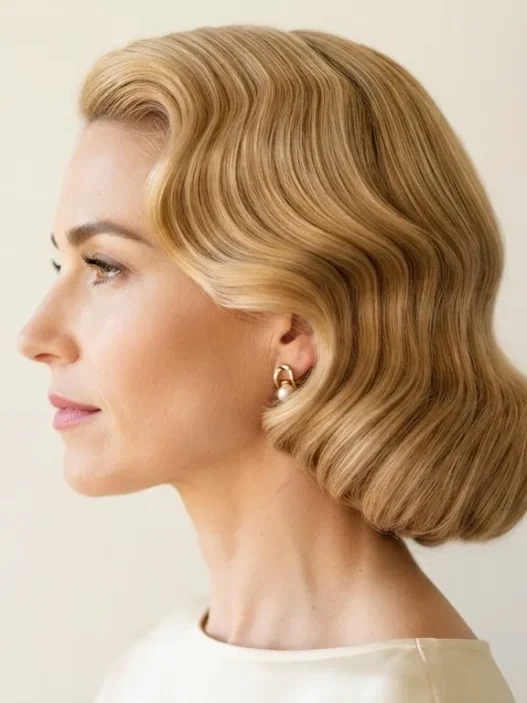
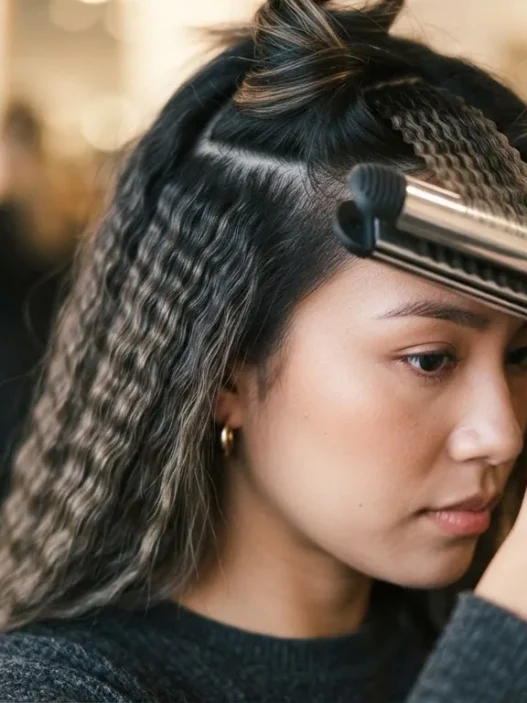
Four inches, and this time we’re adding waves. The Marcel bob takes a close-cut bob and runs deep, regular waves through it using a Marcel iron — a heated waving iron invented in the 1870s and used obsessively through the 1920s and 1930s. The waves are wider and more defined than a finger wave; they move in broad S-curves from the root out.
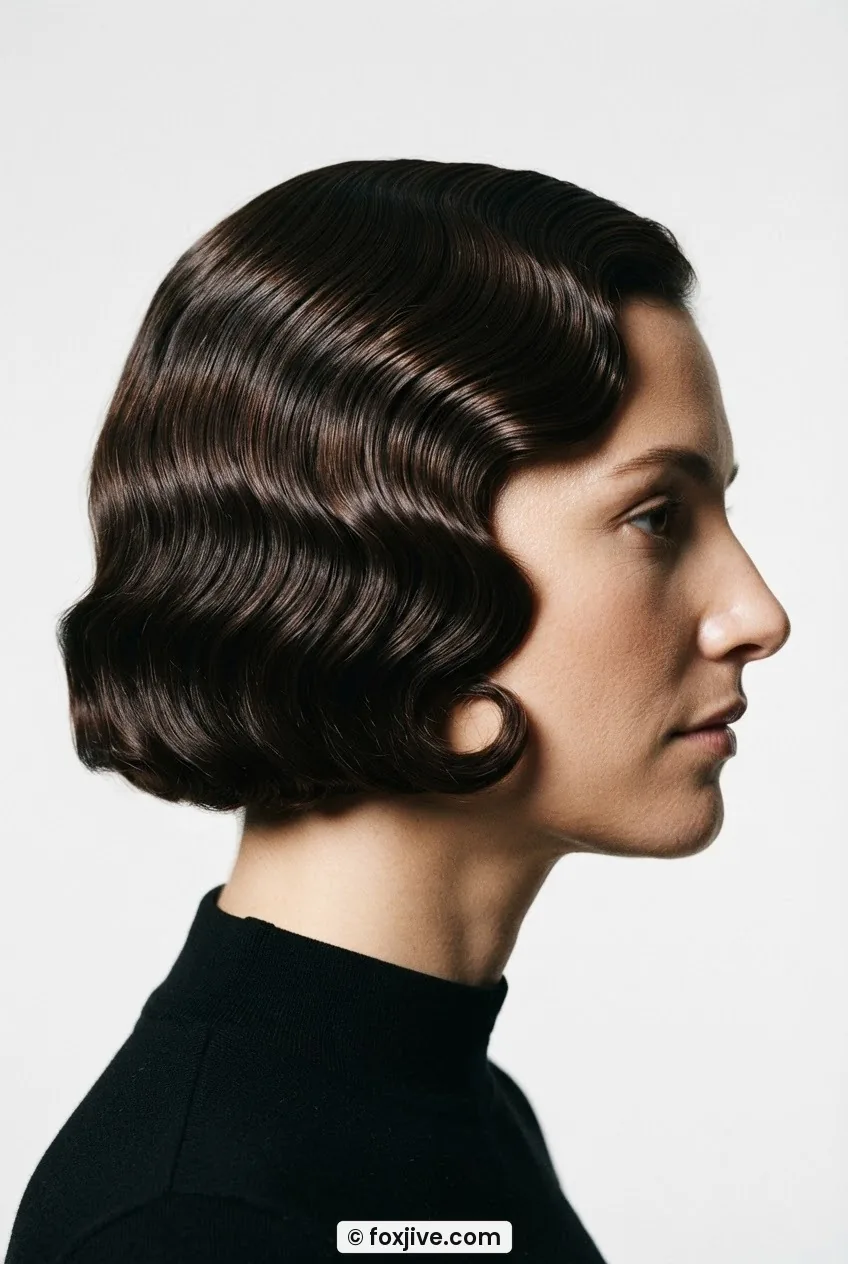
You can approximate this at home with a 1-inch curling iron: clamp the barrel horizontally, wave the iron away from the face, then toward, then away — alternating direction down each section. Let it cool completely before touching it. Then brush through very lightly with a boar-bristle brush to soften the edges of the waves into that smooth, blended 1930s look. Finish with a light-hold hairspray and you’re done. It’s more achievable than it looks.
The Marcel bob is one of those cuts that photographs beautifully at any angle, which is probably why it keeps appearing on editorial shoots whenever a stylist wants to reference Old Hollywood without going full 1940s. If you’re curious about the story behind the vintage hair styles we cover here, the Marcel bob is one I keep coming back to.
9. Five Inches — The Mod Geometric Bob
Five inches — and we’re back in the sixties. The mod geometric bob is Vidal Sassoon’s signature contribution to hairstyling history. Cut absolutely blunt, perfectly level, with a precision that requires scissors of surgical sharpness and a stylist who cuts wet. The jaw-line bob with a blunt fringe is the most recognized version, but there were also asymmetric variations — one side longer than the other — that look just as striking today.
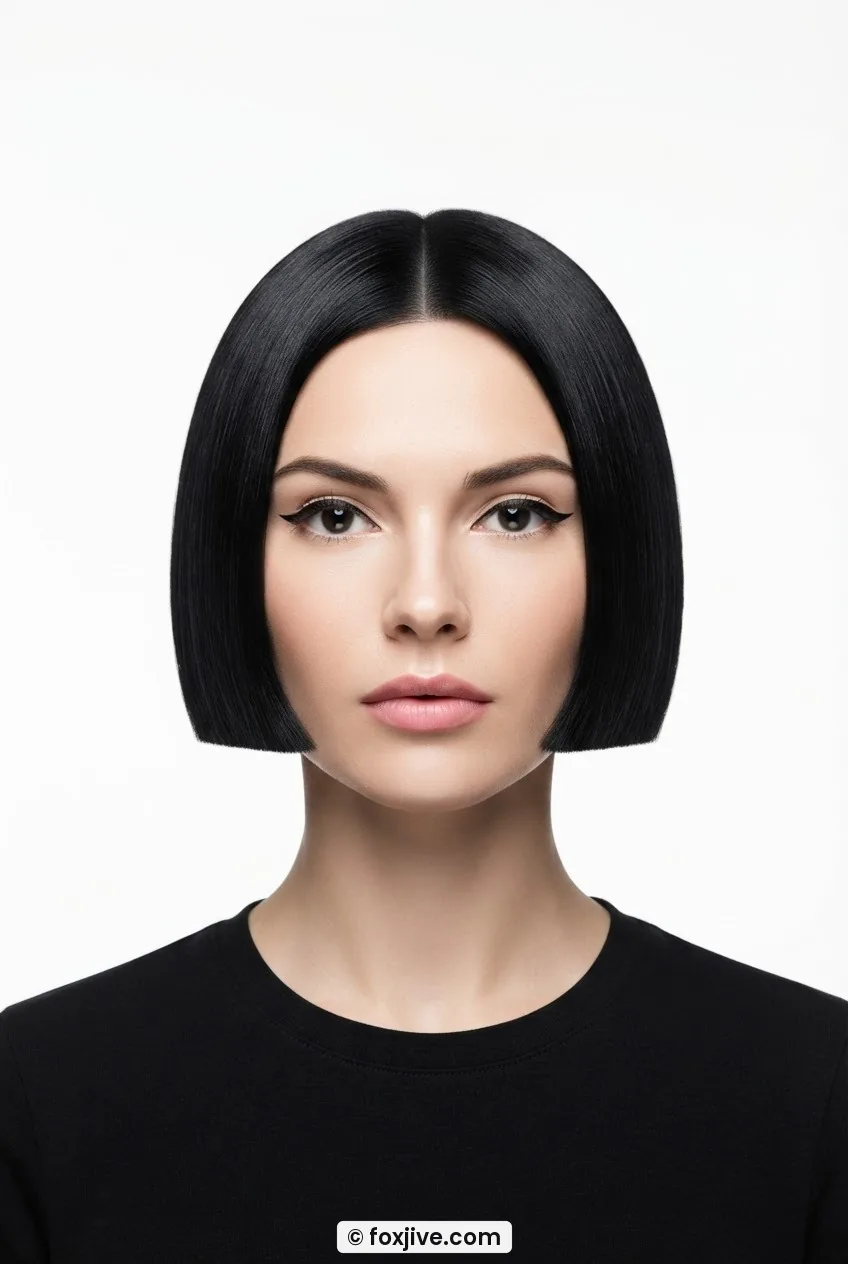
Styling is minimal by design. A round brush to blow-dry perfectly smooth, a ceramic straightener to seal the ends under just slightly, and that’s it. The cut does all the work. What I love about this one is that it photographs with an almost graphic quality — in the photo here, look at the way the line of the bob creates a hard horizontal across her face. That’s the geometry Sassoon was going for. It’s less a hairstyle and more a shape.
If you want to understand why this cut was so radical when it first appeared, it helps to understand how Vidal Sassoon changed hairstyling — the cultural context makes the cut make more sense.
10. Five Inches — The Thirties Finger-Wave Bob
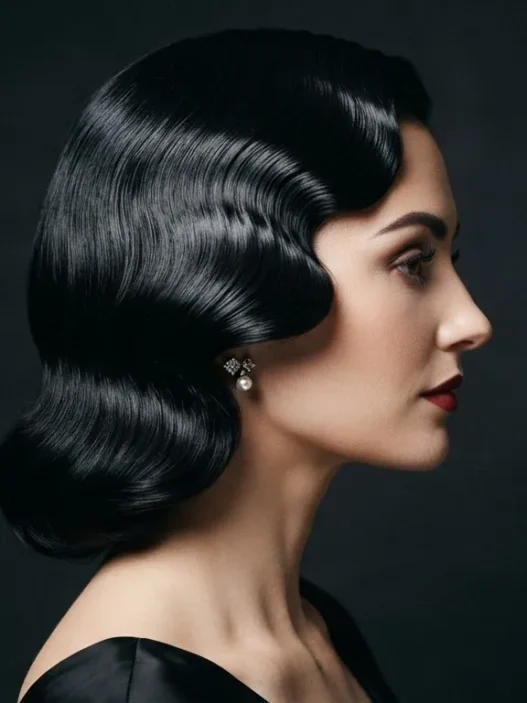
Five inches, and this one requires patience. The finger-wave bob is set while the hair is wet — gel or setting lotion worked through damp hair, then waves pressed in with a comb and two fingers, then left to dry completely under a hood dryer or the open air. The result is those deep, sculptural waves that defined 1930s Hollywood, pressed close to the skull and ending in a neat curl at the jaw or cheekbone.
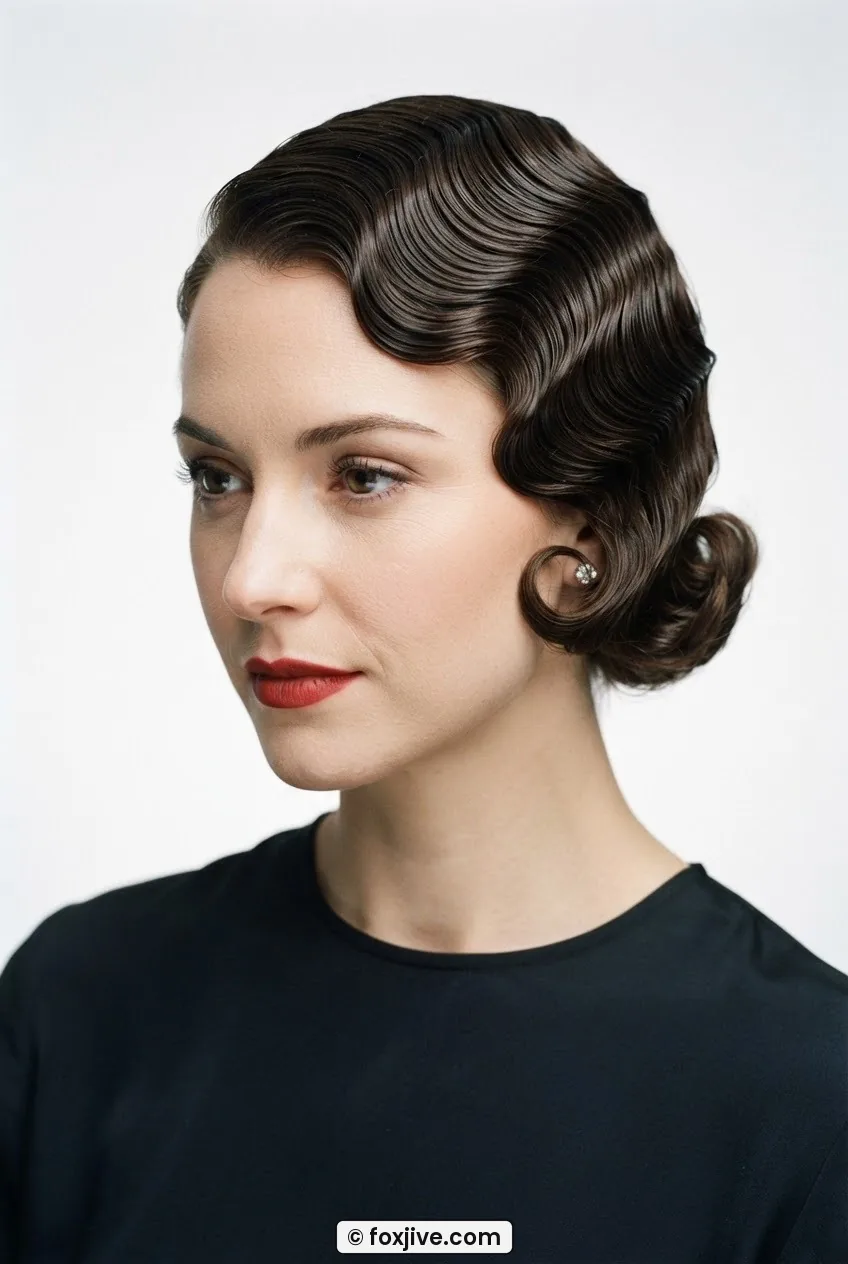
It’s a technique rather than just a cut, which is what makes it so interesting. The same five-inch bob can look completely different depending on how you set it. Go to bed with it wrapped in a silk scarf and it’ll last two or even three days. The finger-wave bob is genuinely glamorous in a way that feels almost excessive for everyday life — and I mean that as a compliment. Sometimes you want a Tuesday to feel like 1935.
11. Six Inches — The Grow-Out Shag
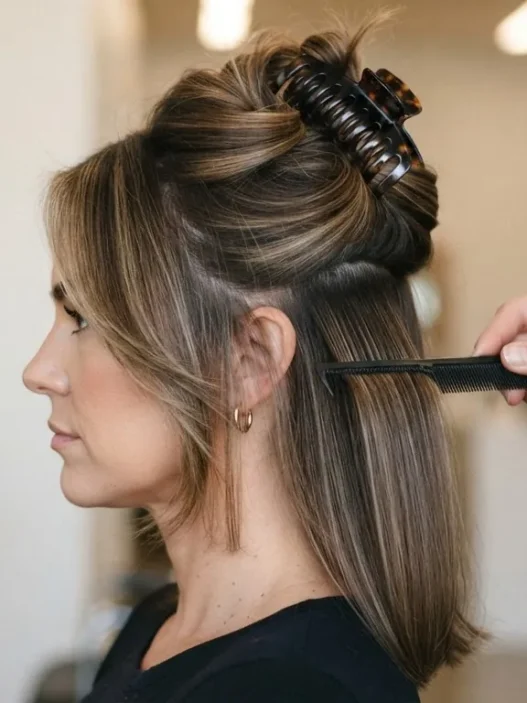
Six inches — and this is the transitional beauty of the list. The grow-out shag is what happens when any of the cuts above is left to grow for two or three months and then shaped rather than cut back. Layers are added to give the longer length texture and movement; the fringe grows into a curtain or a side-sweep; the nape starts to develop some body. It’s the 1970s shag cut in its earliest, most undone form.
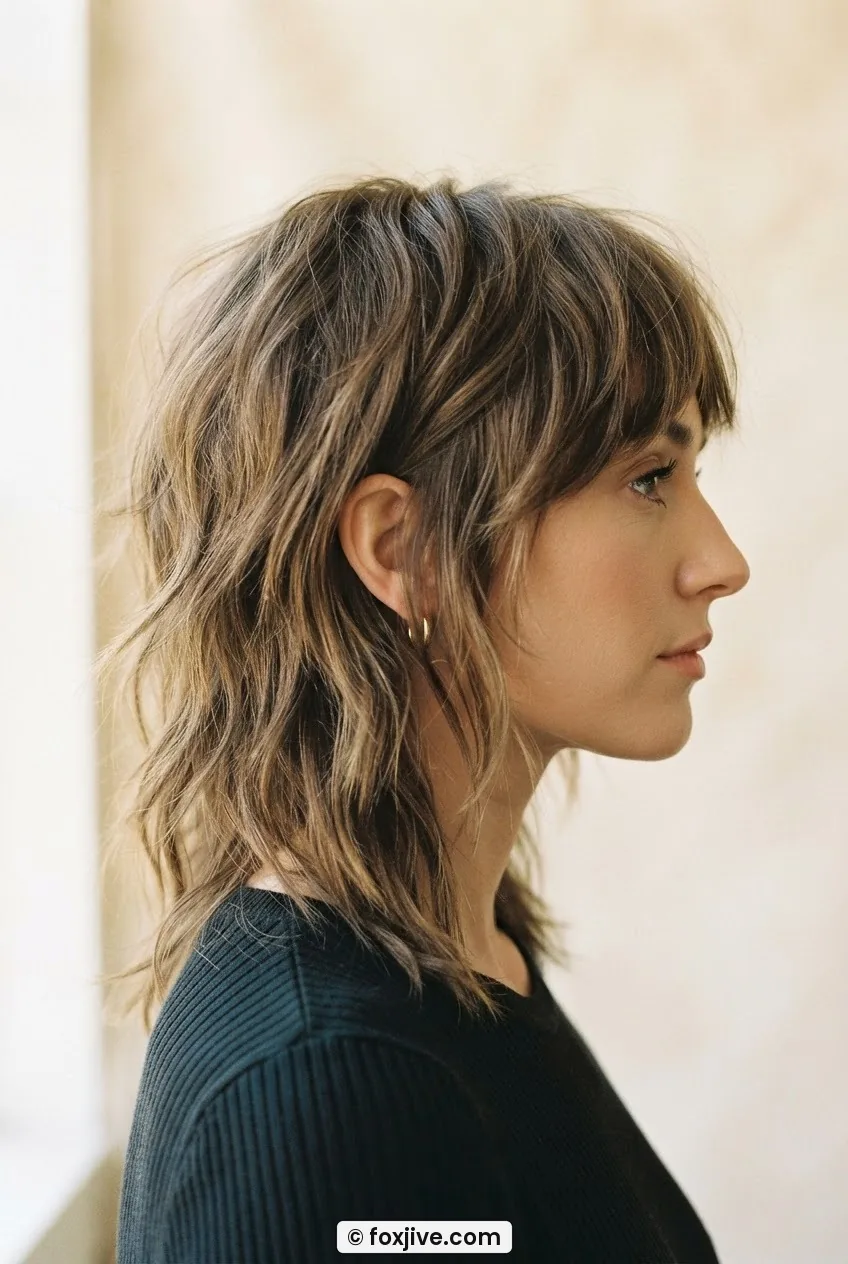
Honestly, the grow-out shag might be the most wearable vintage look of all because it’s the one that doesn’t announce itself. You’re not obviously doing a “look.” You just look like someone with excellent naturally textured hair that falls in interesting ways. Diffuse it, scrunch some curl cream through the ends, and let it be imperfect. Six inches of imperfect is its own kind of art. And if you ever want to explore how we approach vintage hair topics in general, feel free to reach out and get in touch — I love hearing what cuts people are working with.
Questions I Get About Short Vintage Hair
Does the Jane Birkin cut actually work on thick hair?
Yes, but the technique changes slightly. On thick hair, the stylist needs to point-cut and thin out the interior so the cut doesn’t puff outward. The silhouette should still read as flat and close to the head — if it’s ballooning at the sides, it needs more texturising underneath, not a shorter length.
Which of these cuts grows out most gracefully?
The French gamine fringe cut and the grow-out shag are your best options if you’re nervous about commitment. The fringe just grows into a curtain fringe, and the shag gains body as it gets longer. The cuts that grow out most awkwardly are the Eton crop and the mod geometric bob — both require very precise lines that go wrong as they grow.
Can I do finger waves at home without a hood dryer?
You can — it just takes longer. Set the waves with a strong-hold gel or mousse, press them in with a comb and two fingers, then sit somewhere warm and let them air dry fully before touching. The key word is fully — touching them while damp breaks the wave pattern. Budget about two hours if you’re air drying.
Are these cuts suitable for older women or are they too “young”?
This question always makes me a little weary. Short vintage cuts — especially the Marcel bob and the finger-wave bob — were originally worn by women in their thirties, forties, and fifties. They’re not youth cuts. If anything, the structured ones read as more sophisticated on women with defined features. Don’t let anyone talk you out of a cut based on age. Check out what Foxjive.com covers across all decades and you’ll see the range.
What products are essential for maintaining vintage short cuts?
A pomade or brilliantine for the 1920s cuts, a good curl-activating gel for finger waves, and a light sea salt spray for anything textured and 1970s. You don’t need much — one or two products per cut, applied sparingly. Vintage styling was always about using less product than you think. Also, make sure you review our terms of use if you’re sharing any of our content or imagery.
If this list has done anything useful, I hope it’s made short hair feel like an expansion rather than a limitation. One inch to six inches — that’s all we covered here, and look at the range. The grow-out order makes sense too: start with the gamine fringe or the textured crop, let it grow into a shag, then a Marcel bob, and eventually a geometric jaw-length bob if you want one. Every stage has a name and a decade behind it. You’re not growing out an awkward crop — you’re moving through a century of style history. That reframe helps, I promise.