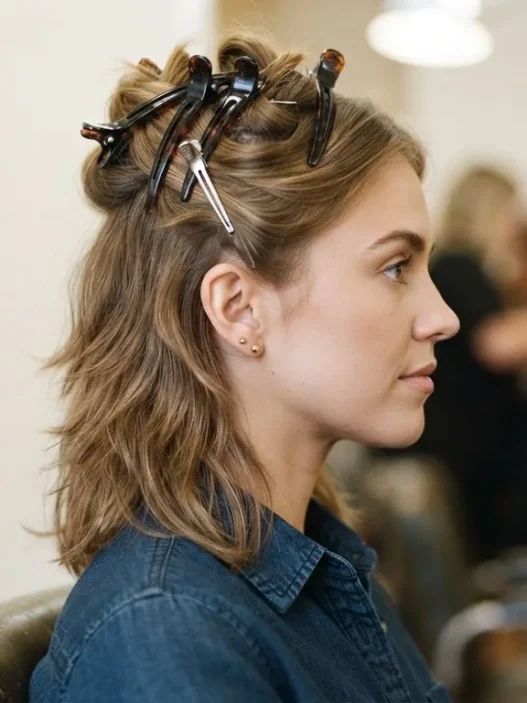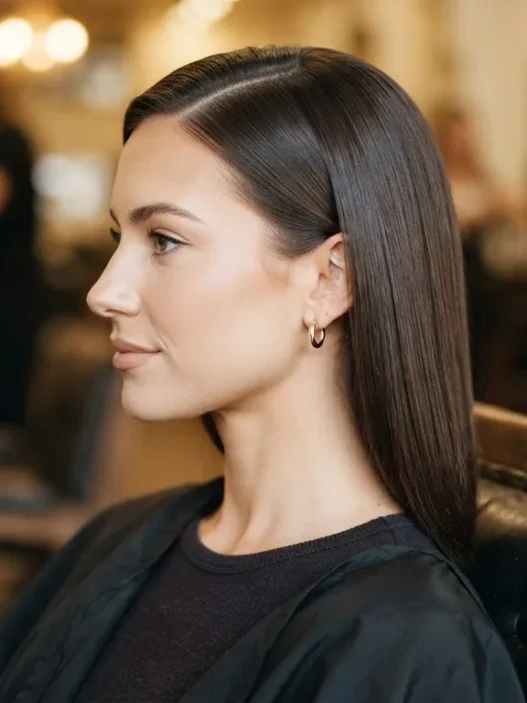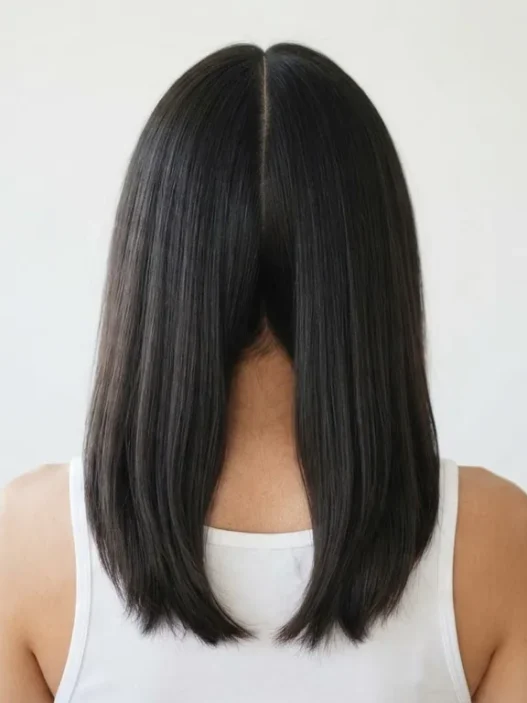







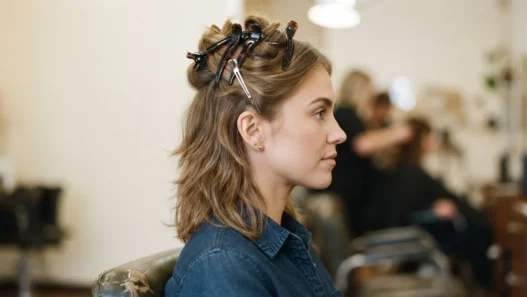


I have left a salon with a perfectly decent haircut that had absolutely nothing to do with what I asked for. Not a disaster — just not it. The photo I showed was a moody black-and-white editorial, the light was doing half the work, and my stylist saw “short bob” where I saw “Parisian undone precision.” That gap between the image and what comes back is the whole problem with bringing in a reference. And it’s especially bad with a french bob haircut, because the cut looks deceptively simple and is actually anything but.
Before You Book
Not every stylist cuts a great french bob. That sounds harsh but it’s true, and it matters before you even pick up the phone. The cut sits at a very specific length — jaw to just below the chin — with a blunt or near-blunt perimeter, weight distributed low, and almost no layering through the interior. It requires confident scissor work and a real understanding of how the hair will fall when it’s dry versus wet. A stylist who mostly does lived-in layers and balayage may technically be able to do it, but it might not be their strongest territory.
Before you book, look at the salon’s own social media and website. Are there any bobs on there? Do the bobs have that clean, weighted perimeter? If the feed is 90% long, textured waves, keep looking. You want someone who has clearly cut a lot of short, precise shapes. And when you call or message to book, say something like: “I’m looking for a classic french bob — chin-length, blunt perimeter, very little layering. Is that something you do regularly?” A good stylist will engage with that. They might ask follow-up questions. That’s the one you want.
Also — book a longer appointment than you think you need. A drastic length change with a precision cut can take ninety minutes easily. If you’re also discussing whether to add curtain bangs (and you might be, because they sit so beautifully with this shape), factor that in. Feeling rushed leads to a rushed cut.
The Photograph to Bring
One photo is not enough. I’m serious about this. One photo gives your stylist a single data point, and if the lighting is dramatic, the model’s hair is pin-straight and yours is wavy, or the image is cropped so tightly that the length is ambiguous — you’re both guessing. Bring three.
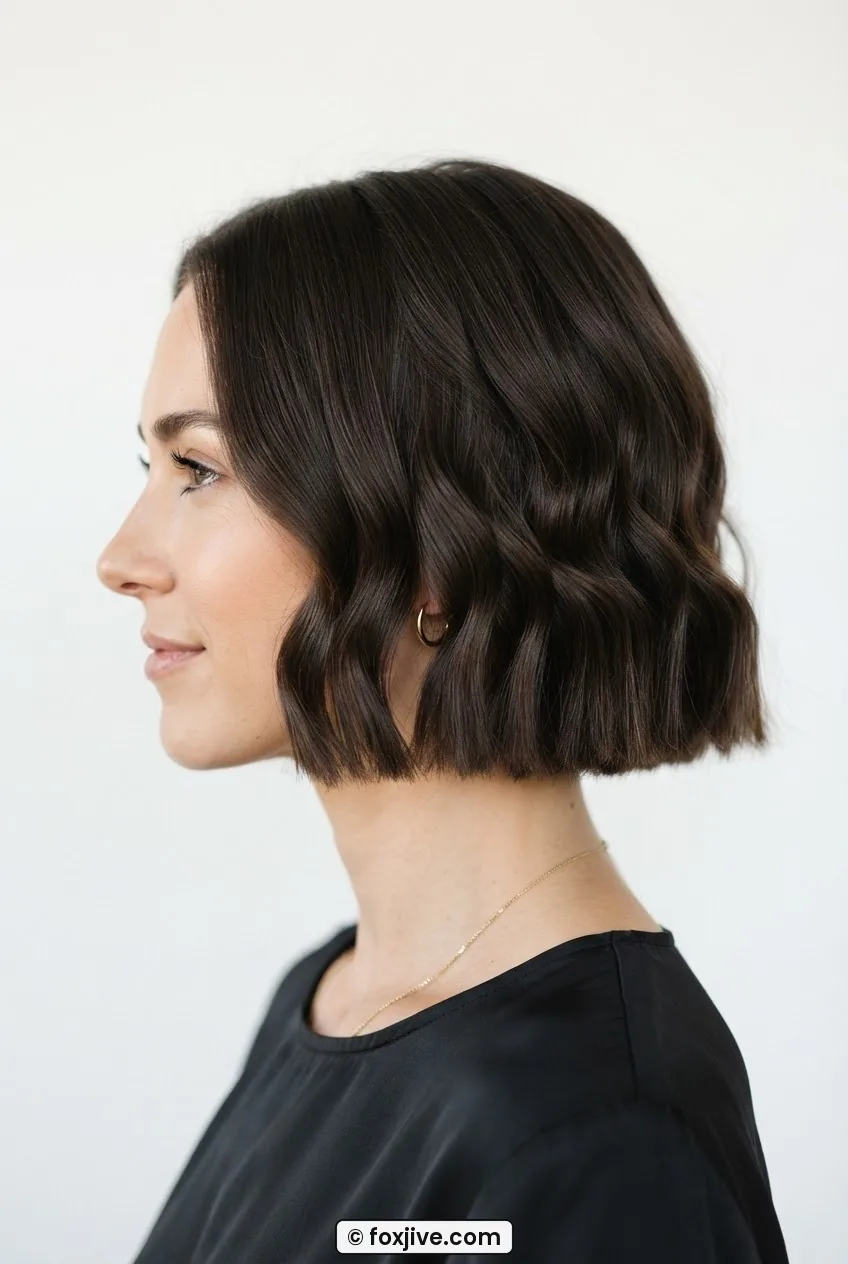
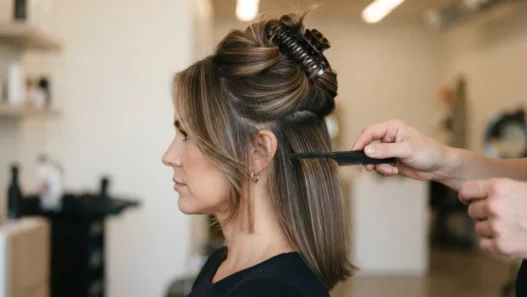
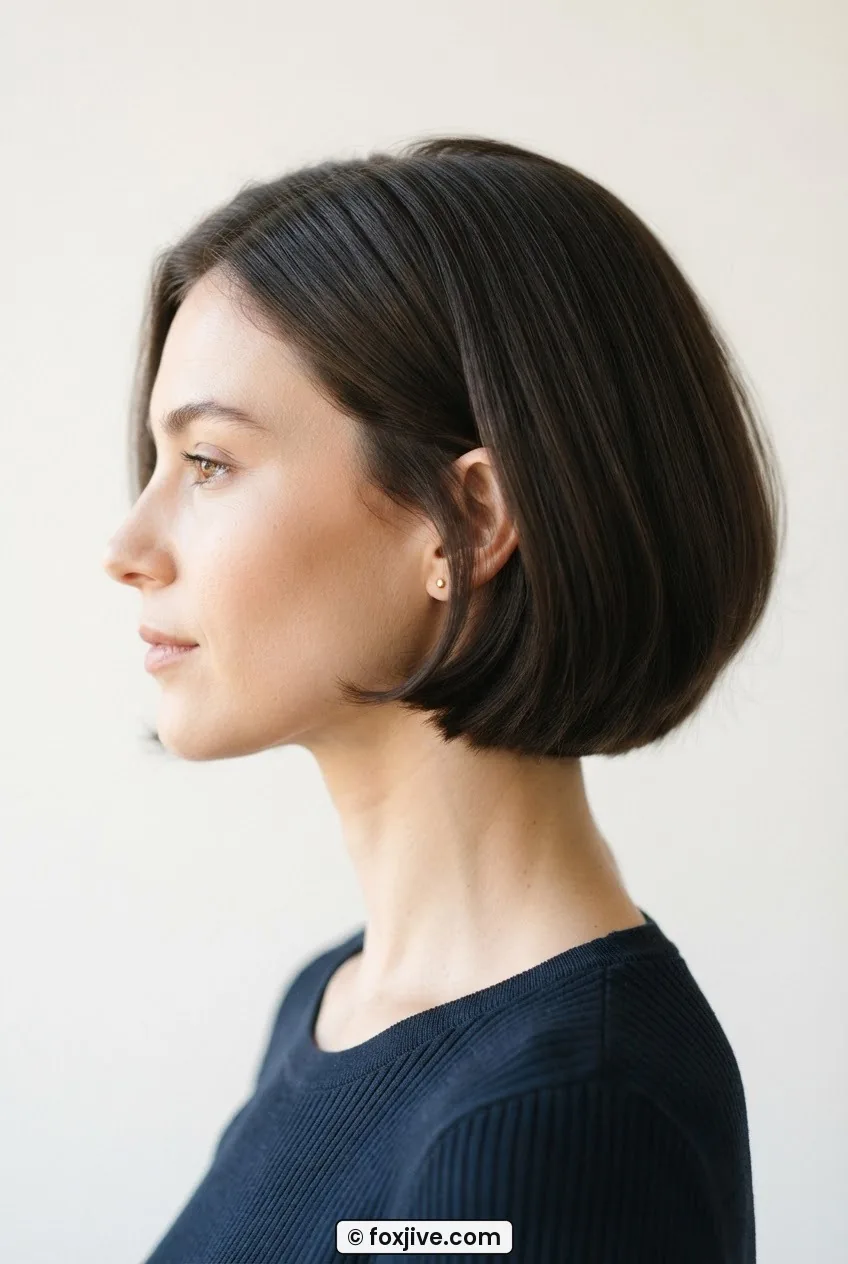
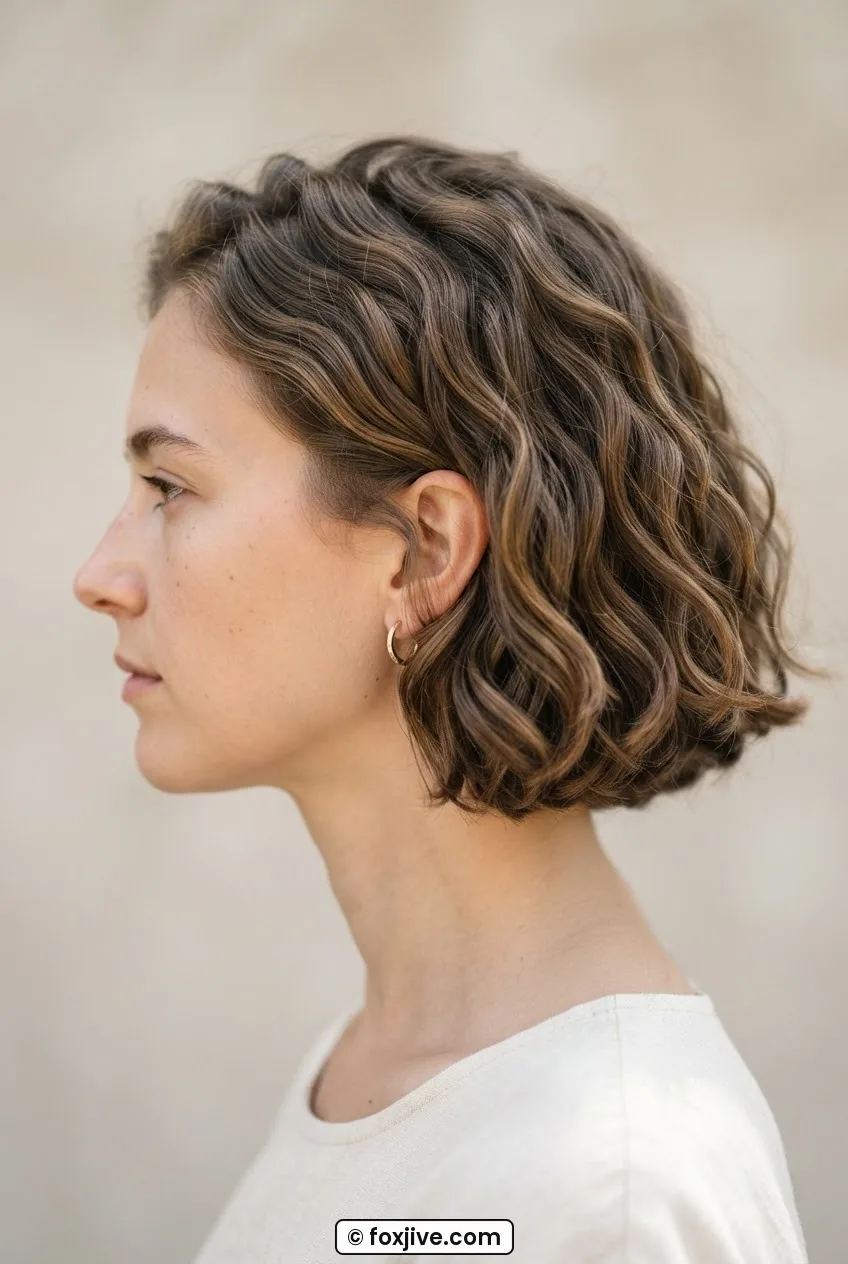
Your three photos should cover three different things. First, the overall shape: something that shows the full silhouette, ideally with the model facing forward so the length is readable. Look at how she’s wearing hers in the image — that jaw-grazing perimeter is exactly what I mean about the weight line being everything. Second, the texture you want: the french bob exists in a few distinct versions. There’s the sleek, blunt, almost geometric version that reads very Vidal Sassoon sixties. Then there’s the softer, wavier version — a wavy french bob that feels more thrown-together, more 2026 street style. They are not the same cut. Tell your stylist which world you’re in. Third, bring a photo that shows what you don’t want — maybe a bob that’s too short, or one that’s layered and fluffy when you want weight. This is the photo that saves you. Stylists respond brilliantly to “not this.”
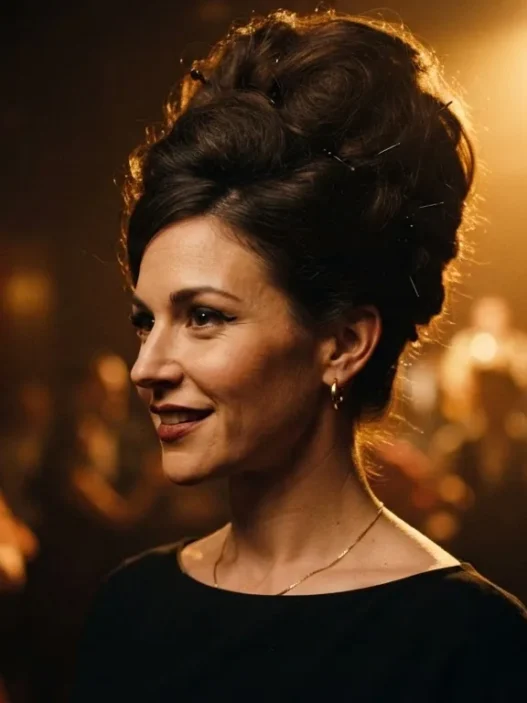
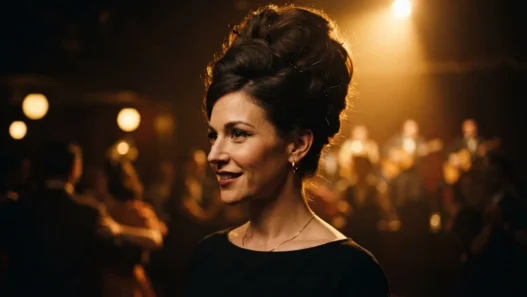
If you’re drawn to the messier, more undone version of this shape, look at references that show natural texture rather than a blowout. The vintage lineage of this cut — which you can trace all the way back through the Victory Rolls era and the sculpted sets of classic Hollywood — was always precise underneath, even when it looked effortless on top. Understanding that helps your stylist understand what you’re after: structure that allows for softness, not softness in place of structure.
The Sentence That Works
Here is what I’ve landed on after several appointments of trial, error, and politely saying “yes, I love it” when I did not love it. You need a sentence that tells your stylist the length, the perimeter shape, the layering approach, and the weight distribution. All of it. In one breath, before they touch the scissors.
“I’d like a french bob — chin length, maybe just grazing my jaw. I want a blunt perimeter with the weight kept low. Minimal interior layering, maybe just a touch of point-cutting at the ends to avoid a wig-like edge. And I want it to work with my natural texture rather than fighting it.”
Read that back. Every word is doing something. “Chin length, jaw grazing” pins the length so there’s no ambiguity. “Blunt perimeter” tells them the finish. “Weight kept low” communicates the silhouette. “Minimal interior layering” is the part that gets ignored most often — without it, stylists default to adding layers for movement, and suddenly your french bob is a layered lob, which is a completely different thing. “Point-cutting” shows you know what you’re talking about, which subtly shifts the dynamic. And “work with my natural texture” opens a conversation about how much internal shaping is actually needed for your specific hair type.
Once you’ve said it, ask: “Does that description match what you’re seeing in my reference photos?” This invites them to flag any disconnect before a single snip happens. It’s the most useful question in the room. You can also look at the history of the french bob to build your own vocabulary before the appointment — knowing the difference between a “chin bob” and a true french bob, for instance, helps enormously when you’re at the chair.
A Stylist Walks Through the Consultation
What Fine Hair Changes About the Conversation
This section is specifically for anyone with fine or thin hair, because the conversation at the salon is genuinely different and I wish someone had told me earlier.
Here’s my unpopular opinion: the french bob is actually better on fine hair than most stylists will admit. The blunt perimeter creates the illusion of density. Keeping the weight low and the interior clean means the hair doesn’t collapse the way it would in a layered style. But you will almost certainly have a stylist who panics slightly at the words “blunt” and “no layering” when they see fine hair, because the instinct is always to add layers for movement. Resist this.
What you should say: “I know the instinct is to layer fine hair, but I actually want to keep the perimeter blunt and rely on the weight line for the shape. Can we try it and see?” The key phrase is “can we try it” — you’re not being difficult, you’re being a collaborative client who knows what she wants. A good stylist will try it. You can always add a tiny bit of texture later; you cannot un-layer a blunt bob.
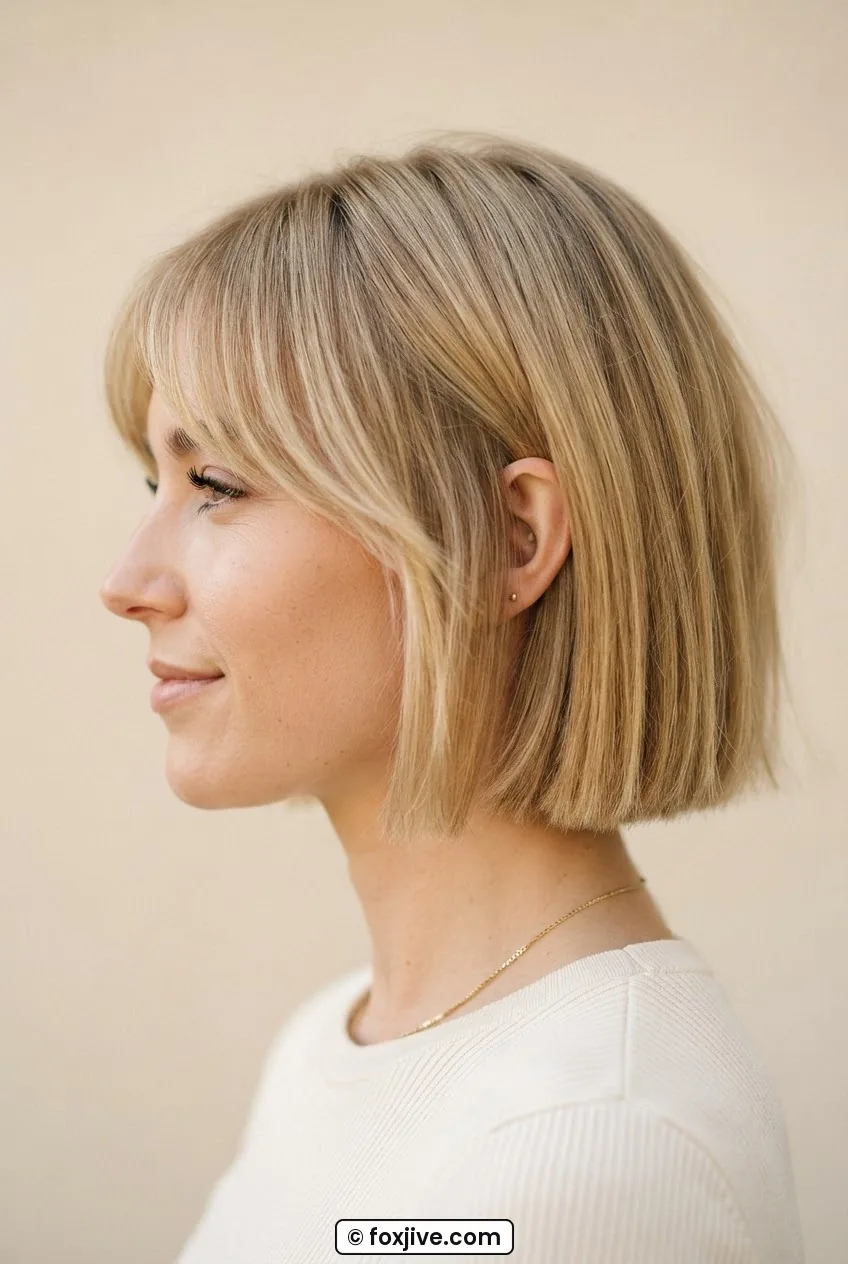
Also worth mentioning: if you’re adding curtain bangs to a french bob on fine hair, ask your stylist to keep them on the longer side and cut them conservatively at first. Curtain bangs that are too short or too wispy on fine hair can look like they’ve just been brushed to the sides rather than intentionally styled. The right length for curtain bangs makes all the difference in whether they read as a feature or an afterthought. See how her fringe sits in the image here — long enough to tuck behind the ear, short enough to frame the face. That’s the sweet spot for fine hair specifically.
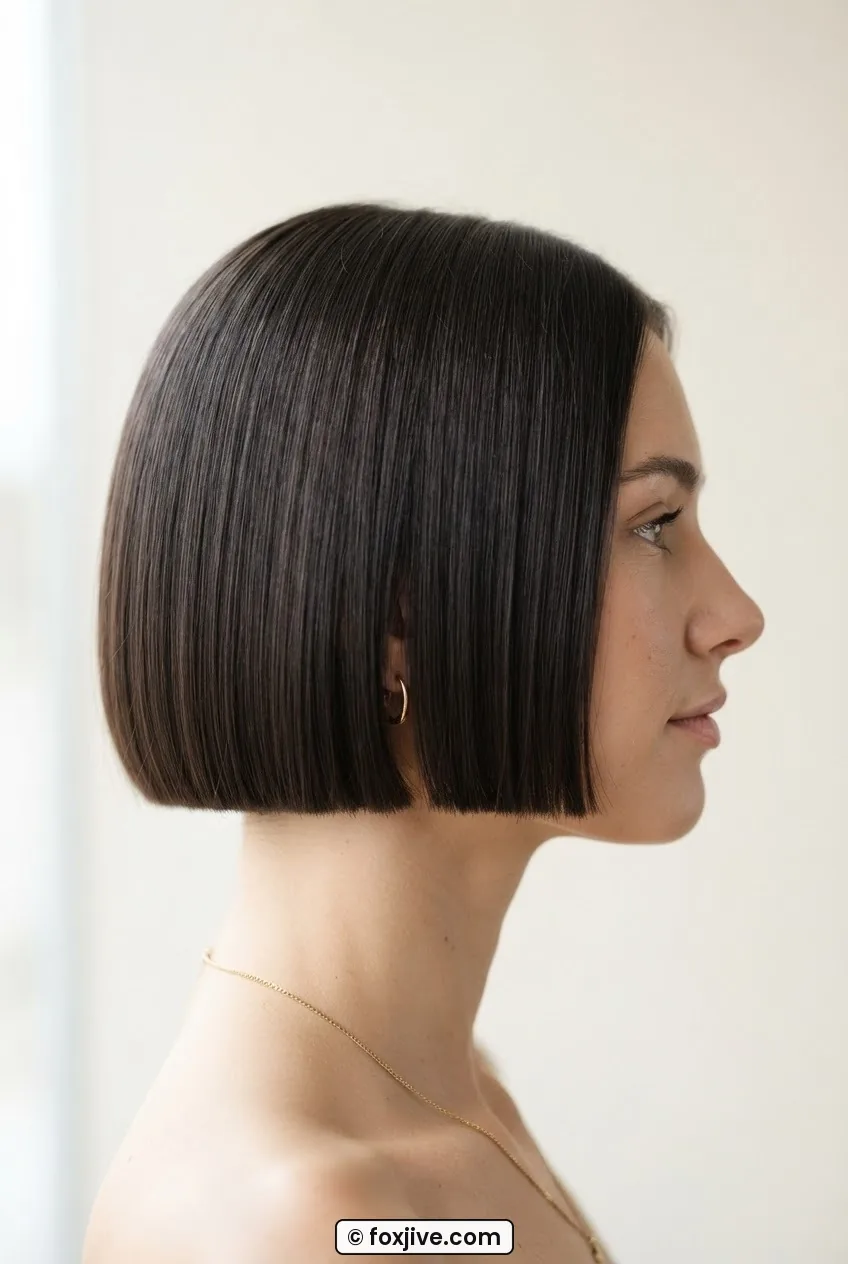
When It’s Going Wrong Mid-Cut
This is the conversation no one prepares you for, and it’s the one that matters most. You’re sitting in the chair. The cut is underway. And you can see — in the mirror, with increasing certainty — that it’s going somewhere you didn’t intend. Maybe it’s getting shorter than the photos suggested. Maybe the perimeter is looking more angled than blunt. Maybe there are layers appearing that you specifically said you didn’t want.
You have to say something. Now. Not when it’s finished. I know it feels awkward — there’s a whole social contract about not interrupting someone mid-flow with scissors — but staying quiet is how you end up with the wrong haircut. You paid for this. You came prepared. You’re allowed to check in.
Try this: “Can we pause for a second? I just want to check in on the length — it looks like it might be coming up shorter than we discussed. Can you show me where the perimeter is going to sit?” Calm. Specific. No drama. Most stylists genuinely appreciate this — they’d rather know now than have an unhappy client at the end. And if they’ve already gone shorter than you wanted, that’s information for the conversation too: “I think this is shorter than I was expecting — should we adjust the approach going forward so the overall shape still works?”
The mid-cut check-in is also a good moment to bring your reference photos back out if they’ve been set aside. Physically holding the phone up next to your reflection is a fast way to reset the shared vision. And if things have genuinely gone off-track, it’s worth knowing that vintage-leaning hairstyle communities — places like Foxjive.com — document a huge range of bob variations that can help you figure out whether what’s emerging is actually salvageable as a different-but-related shape. Sometimes the “wrong” cut is really just a different cut that needs a new name and a new styling approach.
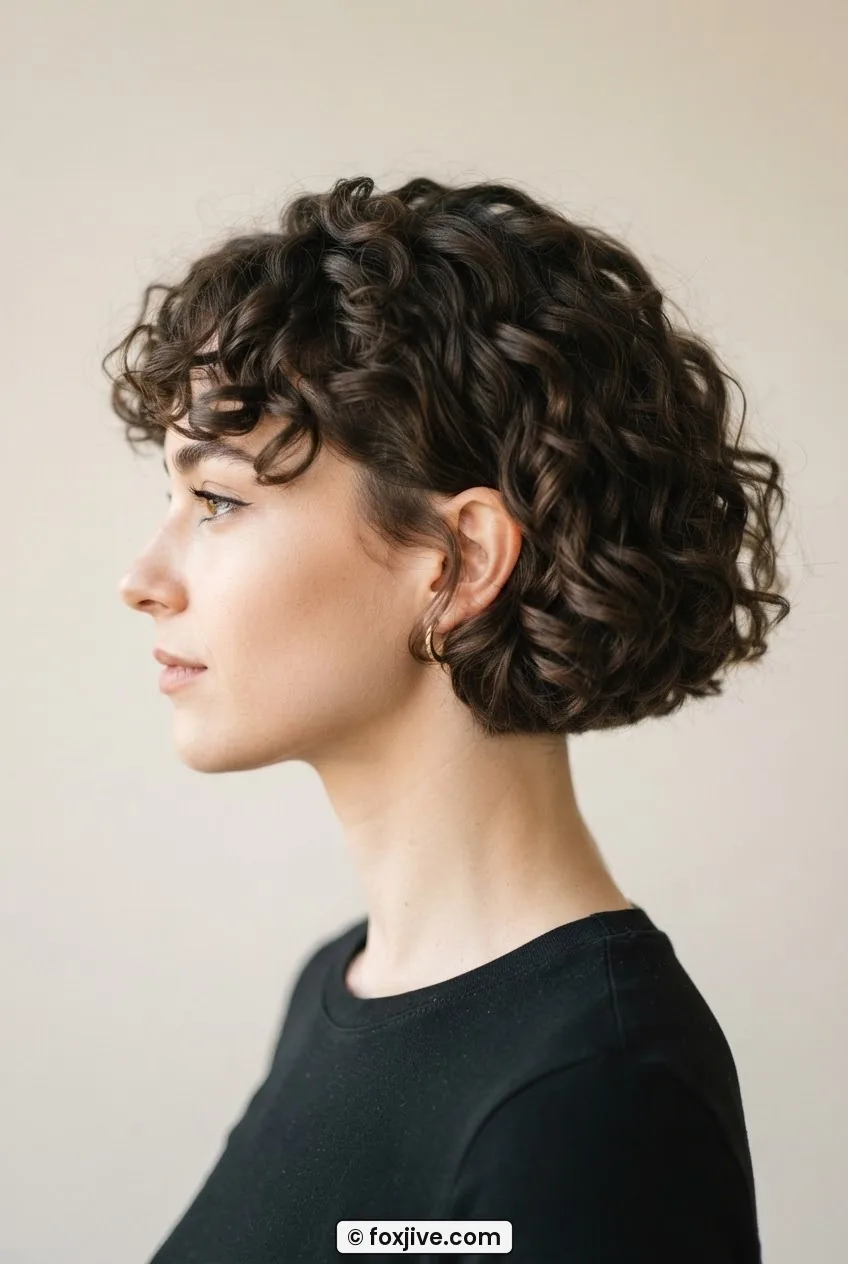
One more thing about the mid-cut moment: if your stylist is adding texture or breaking up the perimeter in a way you didn’t agree to, you can specifically say “I’d actually like to keep the edge clean rather than point-cut — is that still possible?” The perimeter is the most defining feature of this shape. It’s worth protecting. The classic precision of this cut has been around since well before the 9 Victory Roll Ideas era of the forties — structural hair shaping has always demanded clarity of intention, and this cut is no different.
For anyone curious about the broader context of where this shape sits in decades of hair history, it’s worth looking at bob hairstyles through the decades — the french bob specifically evolved through distinct versions in the twenties, the sixties, and the nineties, and knowing which era’s version you’re drawn to helps your stylist land exactly there.
Questions I Get About This
Should I wash my hair before the appointment?
It depends on your salon’s preference, but I’d say yes — come with clean, product-free hair so your stylist can see your natural texture and growth patterns clearly. The french bob works best when it’s cut to complement your actual hair, not a version of it buried under dry shampoo. If you have naturally wavy hair, let it air-dry before you come in so the stylist can see the wave pattern they’re working with.
What if my hair is curly — can I still ask for this cut?
Absolutely, but the conversation changes significantly. A curly french bob needs a stylist who cuts curly hair dry, or at least checks the length dry before finishing. Curl shrinkage means a chin-length cut wet will likely sit well above the chin once it’s dry — potentially much shorter than you intended. Ask specifically: “Do you cut curly hair dry, or will you check the length once it’s dried?” That question alone tells you a lot about whether they know what they’re doing with your texture.
How do I maintain the shape between appointments?
The blunt perimeter of this cut grows out relatively gracefully compared to layered styles — you’ll have a good four to six weeks before it starts looking shaggy rather than intentional. The main thing to watch is the perimeter weight line, which starts to lose its crispness as the ends grow uneven. Ask your stylist to show you how to do a tiny dusting of the ends at home if you want to stretch appointments, or plan on a trim every six to eight weeks to keep it precise.
Is the french bob really different from a regular chin-length bob?
Yes — and this is actually the most important thing to communicate at the salon. A generic chin-length bob often has angled layers, some graduation at the back, and a lighter perimeter. The french bob specifically keeps the perimeter heavy and blunt, the interior relatively uncut, and the overall shape is rounder and more geometric. The weight sits at the bottom rather than being distributed through layers. It’s a structural difference that completely changes the silhouette — which is why saying “chin-length bob” and “french bob” will sometimes get you two very different results.
Walk in with your three photos, your prepared sentence, and the willingness to speak up mid-cut — and you will leave with what you actually came for. The cut is worth the effort of communicating it precisely. And if you want to keep exploring vintage and retro cuts that sit in a similar world, come and browse around Foxjive — there’s a whole decade-by-decade archive of shapes that might be next on your list. If you ever have questions or want to share how your appointment went, you can always get in touch. I genuinely want to know if the sentence worked.