






I keep two salon Polaroids taped inside my bathroom cabinet. Both show big, brushed, honey blonde waves. For a whole year I thought they were both 80s hair. Then my colorist pointed at the partings and laughed, and I have never unlearned what she showed me.
That is the thing about retro waves. From across the room, every decade looks like big hair. Up close, the tells are tiny. Where the volume starts. How the shine moves. Whether the ends flip or tuck. I love that detective part.
So today I am lining them up side by side. Seventies softness against eighties lift against sixties height against fifties control. By the end you will spot the difference in about three seconds flat.
Two Photos That Fooled Me
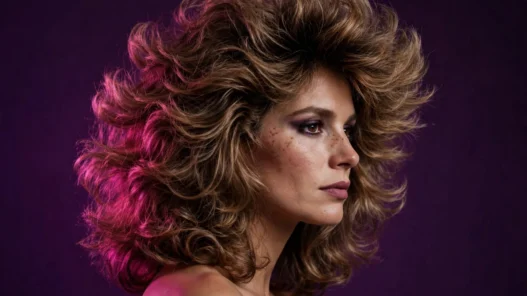
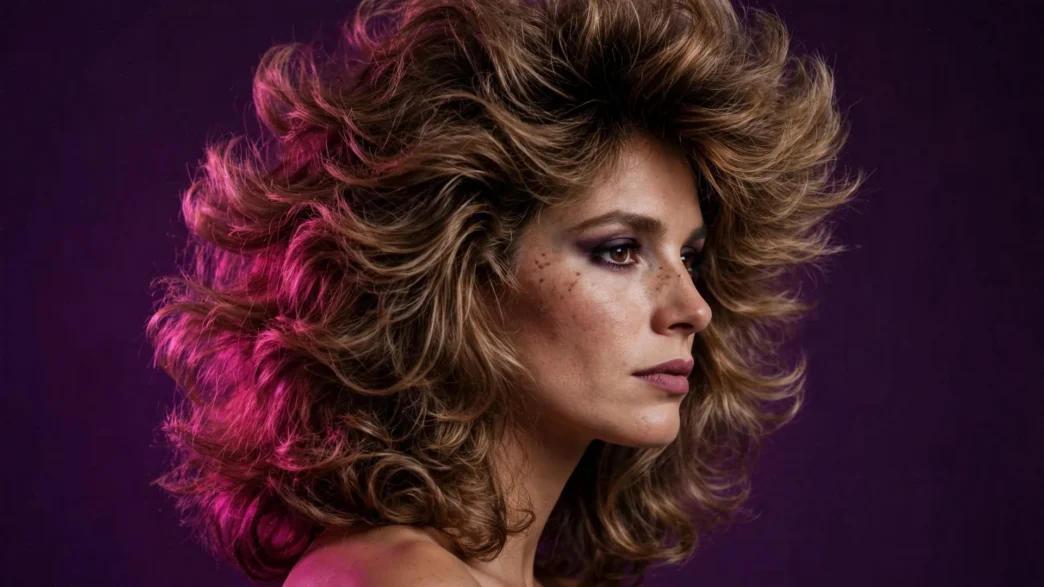
Let me describe them because they still make me smile. Left photo, a woman in profile, hair blown out and feathered back, center part, light catching the top of each wave. Right photo, almost the same silhouette, same golden tint in the studio light, same collarbone length. I would have sworn they were sisters.
They were not. One was Farrah-inspired softness. One was pure eighties power. The difference was not how MUCH hair there was. It was where the air lived in the hair.
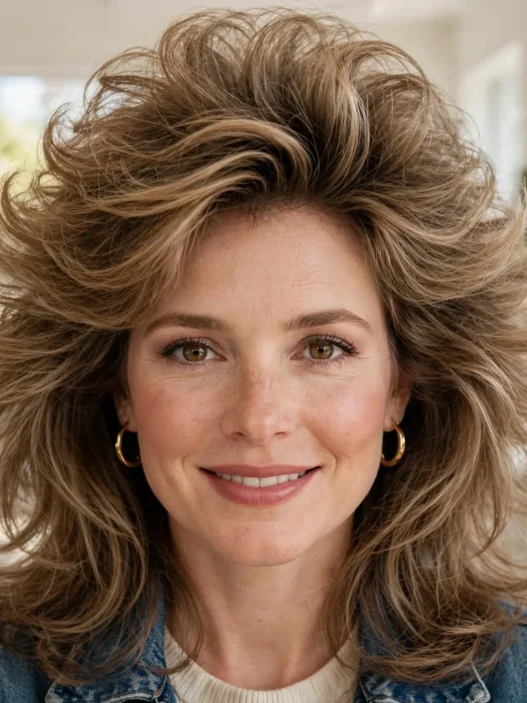
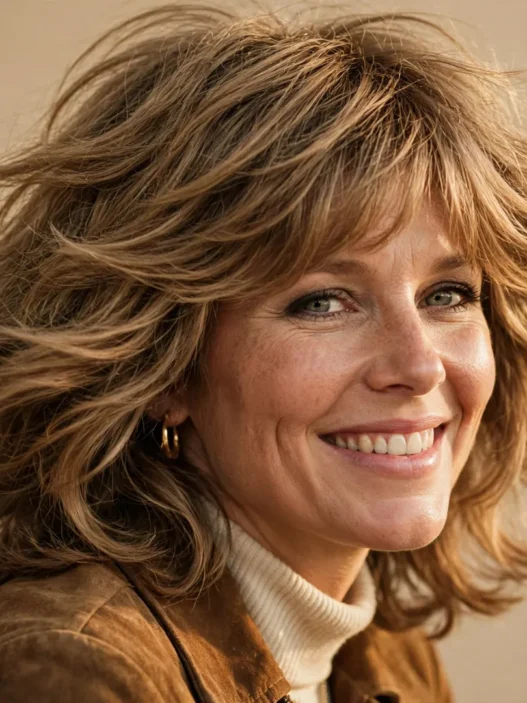
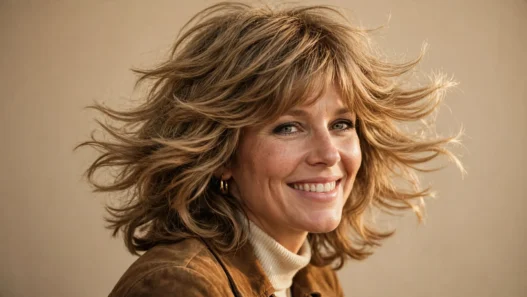
When I tried both on myself last spring, with the same round brush and the same mousse, my bathroom mirror told the truth fast. The seventies version collapsed prettily toward my shoulders. The eighties version wanted to stand up and away from my scalp, like it had opinions. Look at how she is wearing hers in this first portrait, that lift right off the forehead is exactly what I mean. My head shape is rounder than hers, so mine puffed wider, but the root lift was identical.
I read a lot about 80s big hair styles that aged well when I was figuring this out, and that helped me stop thinking big just meant teased. It can mean sculpted. It can mean diffused. It can mean precise.
So here is my simple rule now:
Follow the widest point. If the widest point is at your cheekbones and ends, you are in the seventies. If the widest point is beside your temples and crown, you are in the eighties. If the widest point is straight up on top, you are in the sixties. I wish someone had told me that years ago.
The 1970s Version, Softness Low at the Ends
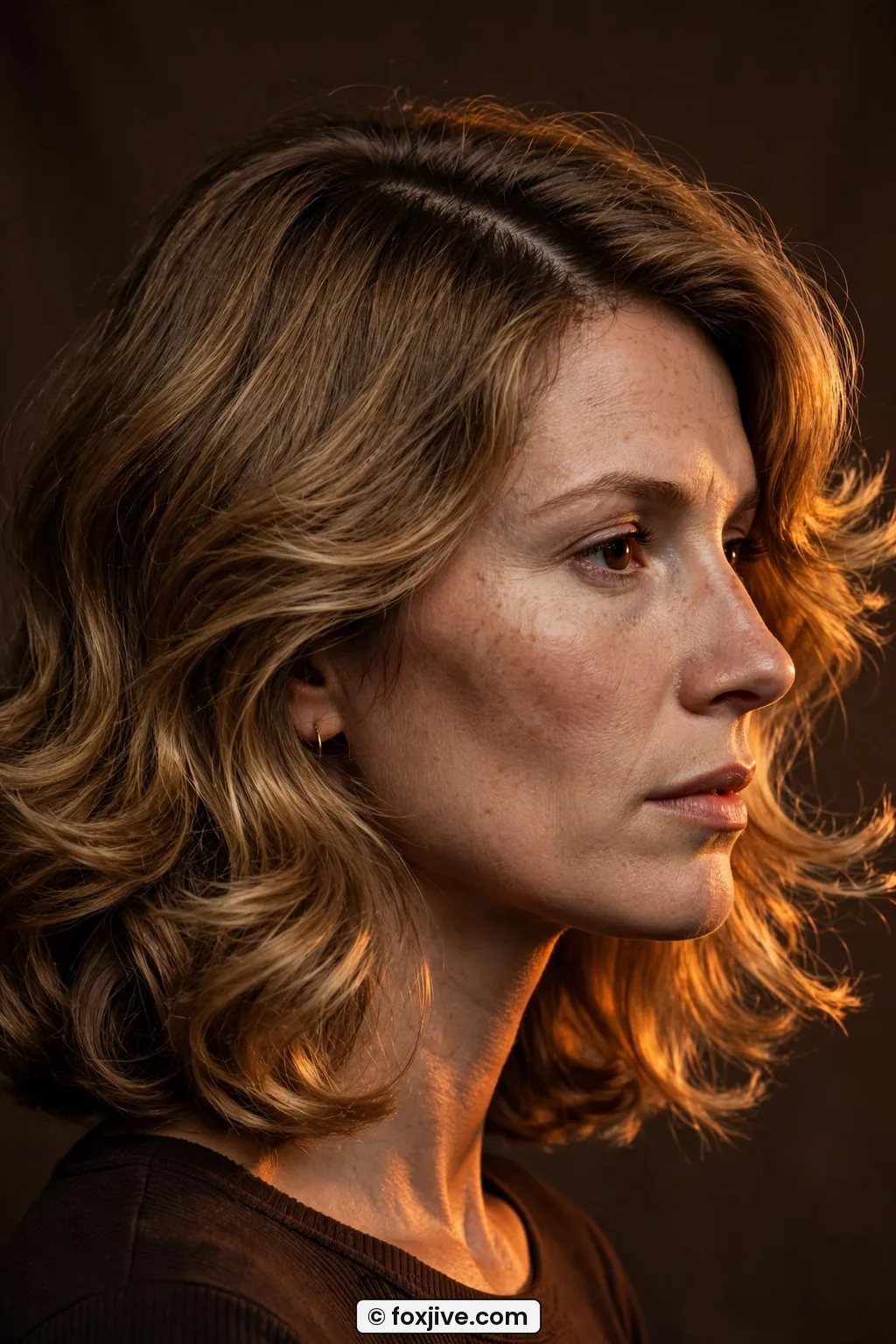
The seventies tell is low volume. I mean that lovingly. The roots lie pretty flat, often with a soft center part, and then everything opens up from the ears down. Think curtains that blow outward, not up.
- Parting: almost always center or barely off center, long and clean
- Width: sits low, from cheek to collarbone, feathery at the tips
- Shine: diffused and touchable, not glassy, you can see individual strands
- My mistake: I over moussed the crown and instantly lost the whole effect
When I wear this one I blow dry with a big round brush pulling forward, not up. I learned that from watching a stylist explain curl direction for face framing layers with tips for creating soft movement with a round brush blowout techniques for layered hair that finally made sense to me. The brush goes down and out. The dryer follows it. No teasing at the crown at all.
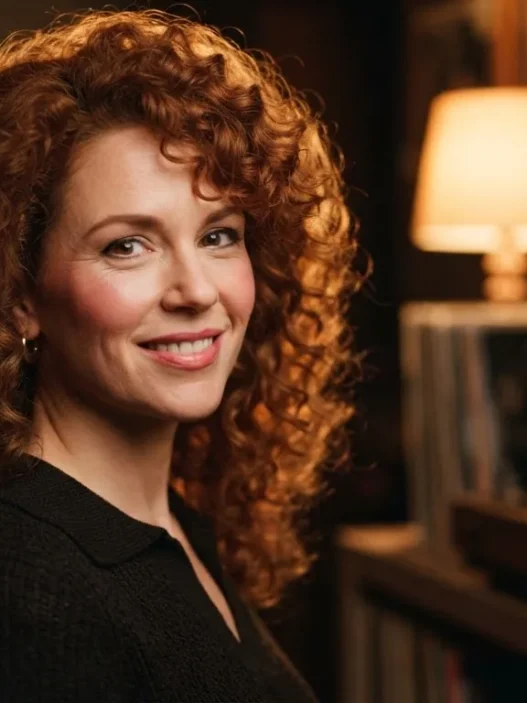
This is the length I am talking about. See how it hits just below her chin in the photo below and then flicks out? That outward flip is the physical tell. Seventies ends turn out and away from the neck. They never tuck under.
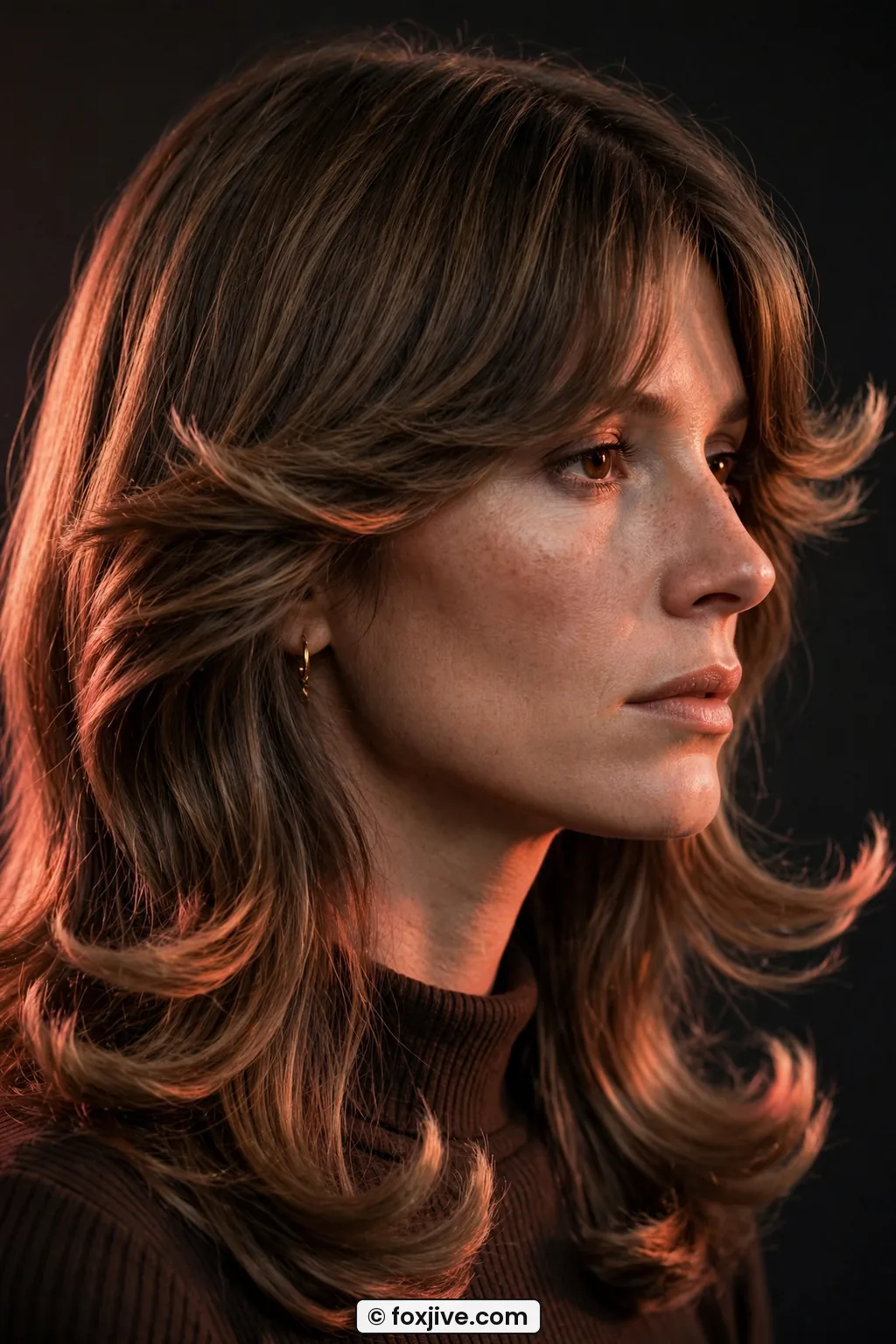
I also love how forgiving this decade is. Second day hair actually looks better. I add a little dry shampoo at the roots for grip, then just re flick the ends with a straightener turned outward. If you want more context on shape, I keep going back to 1970s hairstyles for reference because the variations are wider than people think. It is not all Farrah. There is also the shaggy, straight with flicked ends version I wore all through college without knowing what it was.
The 1980s Version, Lift Right at the Roots
Okay, my favorite. And yes, I am biased. 80s hair is not just bigger seventies hair. It is built upside down compared to the seventies. The action is high, not low.
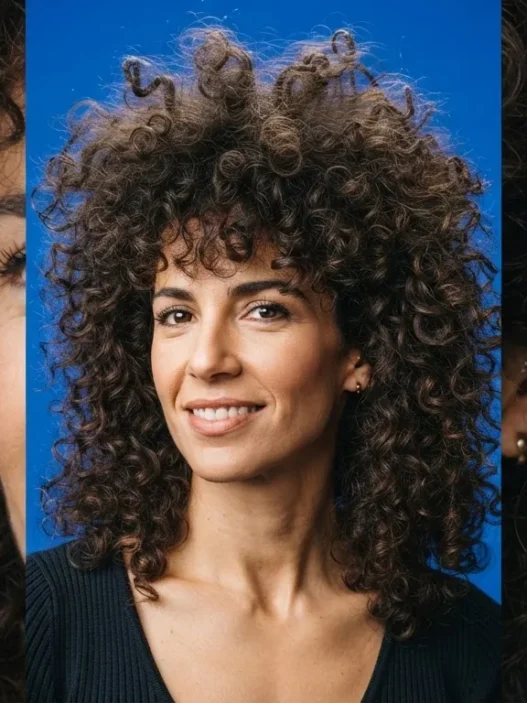
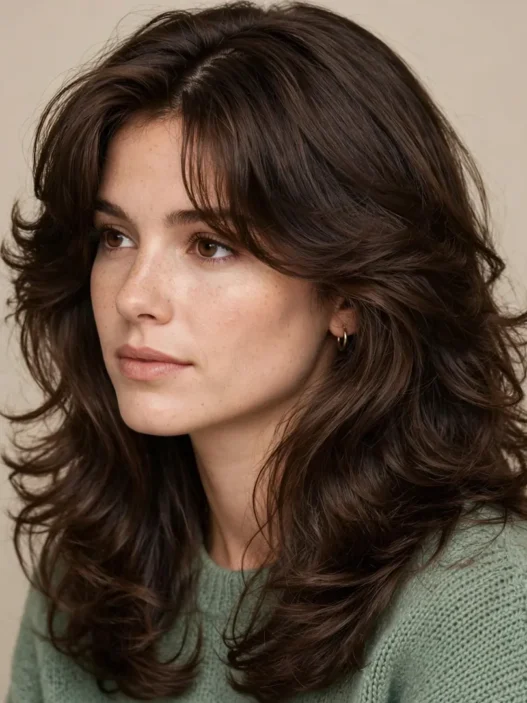
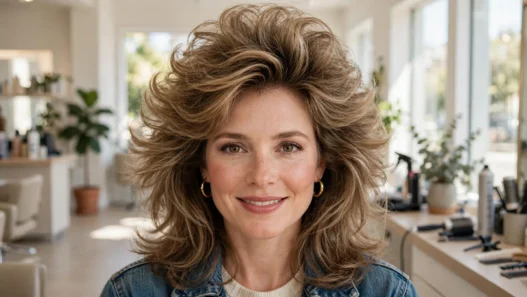
The physical tell is root lift with side width. Hair comes up and out from the scalp, temples look full, bangs (if there are bangs) have air underneath them. Even when the length is long, the top third does the talking. She has got a similar face shape to mine, and honestly, this cut looks incredible on her in the portrait here. See how the sides hold their shape instead of falling flat? That structure is pure eighties.
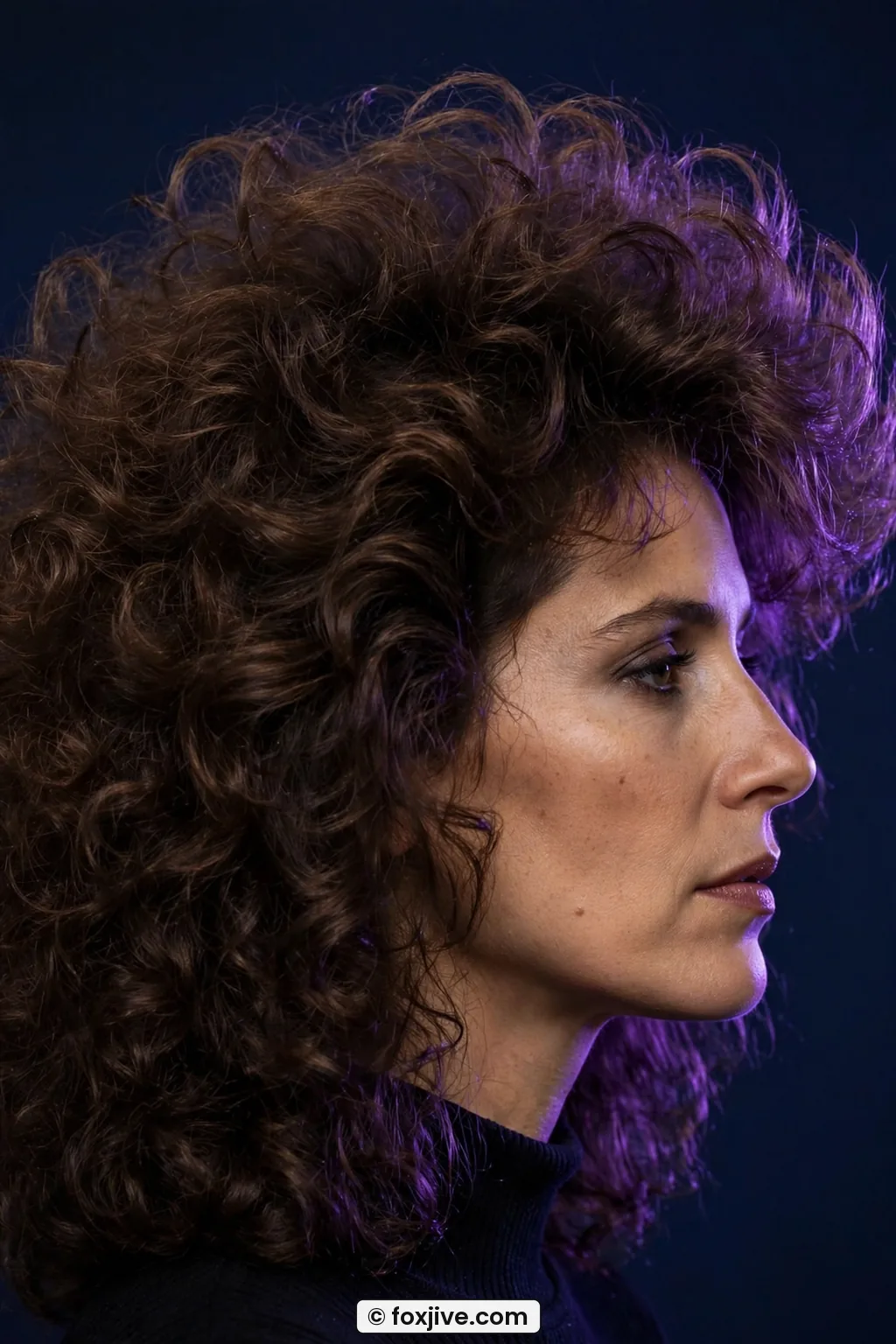
Why does mine fall flat by lunch?
Because I used to treat it like modern volume. Modern volume is roots up, ends smooth. Eighties volume is roots up, mids out, ends full. You have to layer the support. I do mousse on damp roots, a golf ball size, scrunched in, not raked. Then I diffuse upside down until 80 percent dry. Then I set the top on big Velcro rollers while I do makeup. That ten minute set is the whole trick. I picked that up from a guide on building lasting lift with rollers and perms that broke down setting patterns for lasting volume with rollers setting patterns for lasting volume in a way that finally stuck.
And here is my slightly spicy opinion. I think eighties volume is more flattering than the super flat, snatched, middle part look everyone wore for the last five years. There, I said it. Flat hair shows every asymmetry. A little lift around the temples softens my jaw and makes my eyes look bigger. Clean girl had its moment. Give me texture and air and a little delicious mess.
Shine is different too. Seventies shine is brushed and separated. Eighties shine is denser, almost cloudy, because of product and diffused curl. You see glow, not gleam. If you can see scalp at the part, it is probably not eighties. That part should look cushioned.

See That Root Lift Built Live
The 1960s Version, Height Packed at the Crown
If the eighties lift wide, the sixties lift tall. That is the easiest way I explain it to friends. Where eighties hair expands sideways like a cloud, sixties hair goes up like architecture.
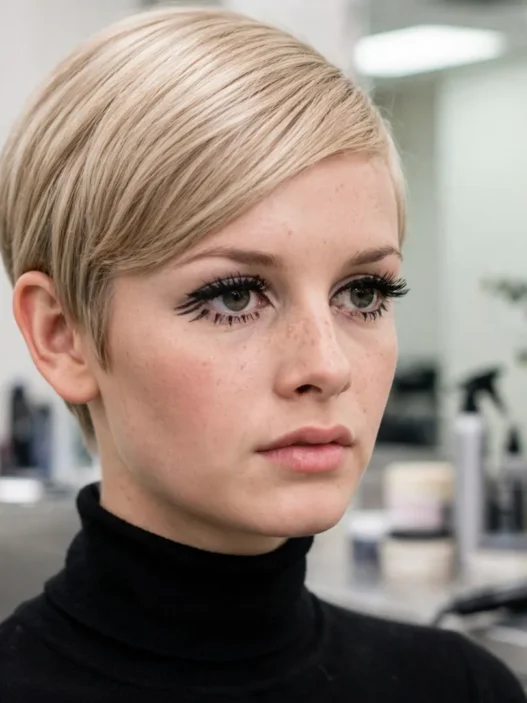
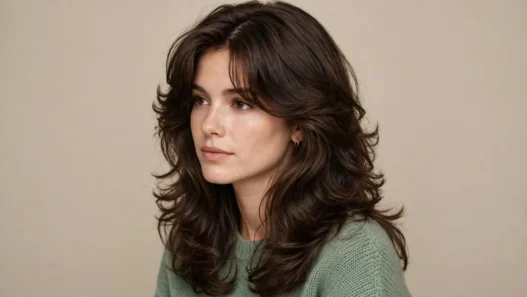
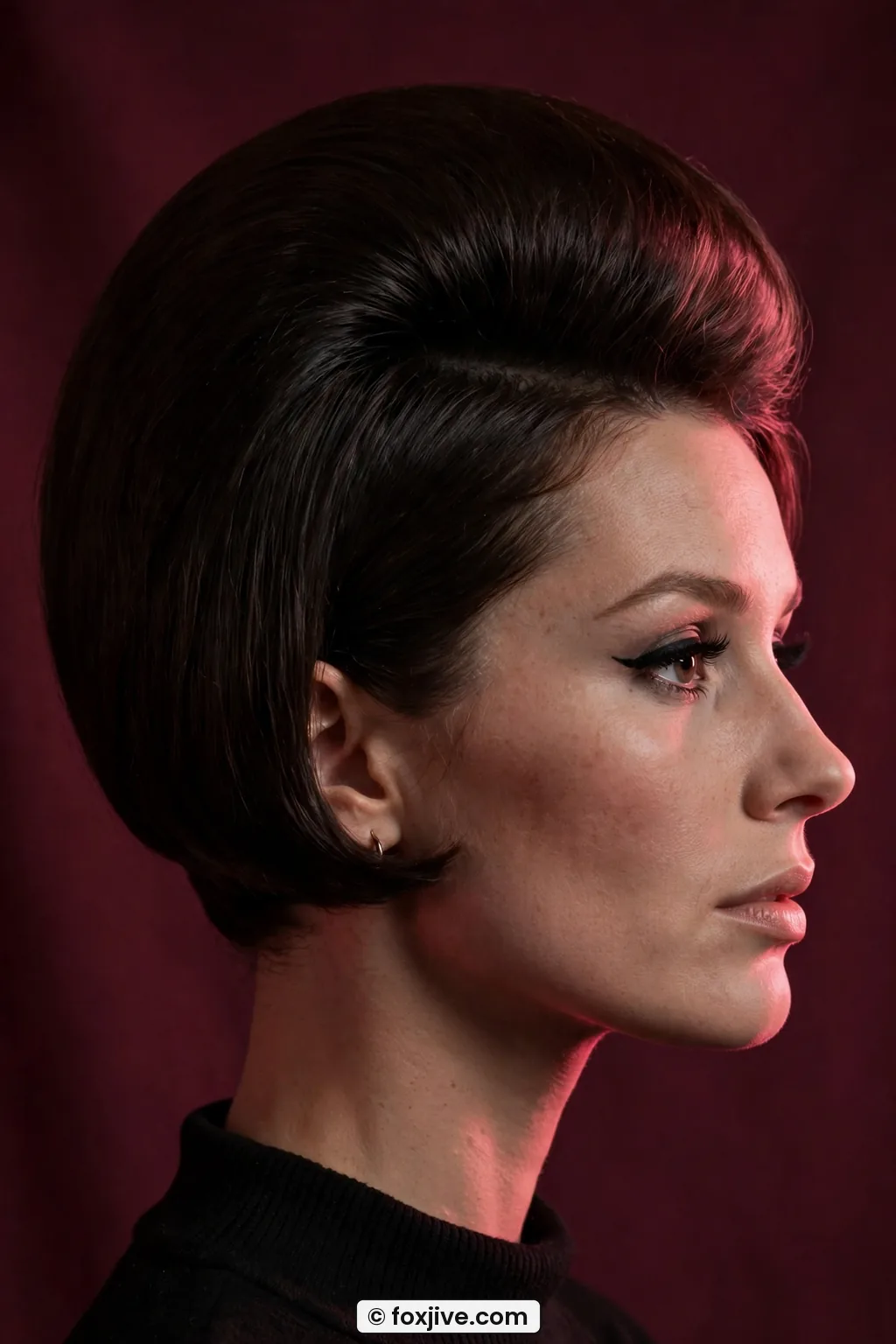
The physical tell is crown height with smooth sides. Even on a loose sixties blowout, the sides stay sleek and close to the head. All the air is packed into that one spot a few inches behind the hairline. In profile, and most of these studio portraits I love are shot in side profile for a reason, you can see a distinct dome. Eighties hair in profile looks like a halo all around. Sixties hair looks like a single hill.
I tried a beehive lite last Halloween and learned fast how much control it needs. Backcombing, then smoothing the top layer over it like a duvet cover. It felt very different from teasing for eighties width. One is vertical. One is horizontal. My arms hated both equally.
Parting is another giveaway. Sixties styles often have a side part or no visible part at all, with the front swept up and back. Seventies and eighties love that center. Sixties? The front is doing a job, holding height, so it cannot flop open in the middle.
I love the sixties shape in photos, but on me it reads costume fast unless I leave the ends loose and modern.
For comparison, I looked at a lot of 1990s hairstyles next to sixties ones, and the contrast is funny. Nineties hair lies so close to the head. It is all about the cut line. Sixties hair is all about the interior padding you cannot see.
The 1950s Version, Shine Locked in a Set Curl
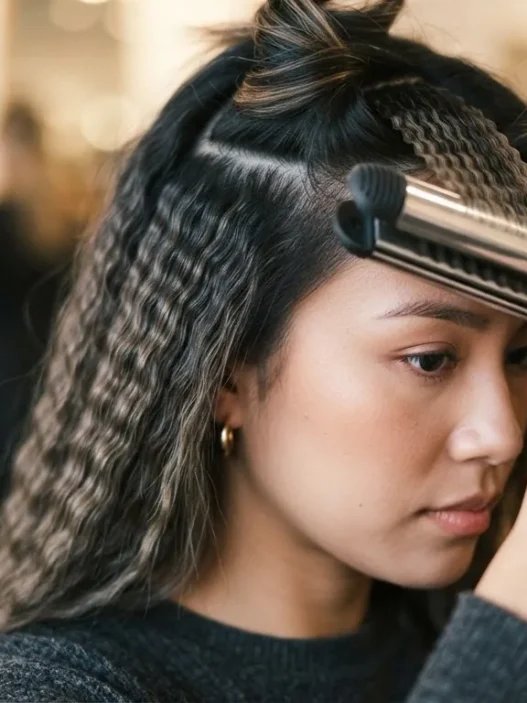
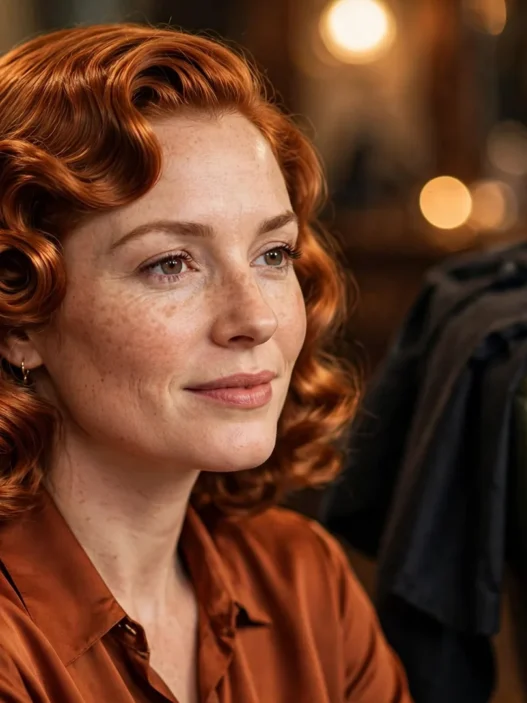
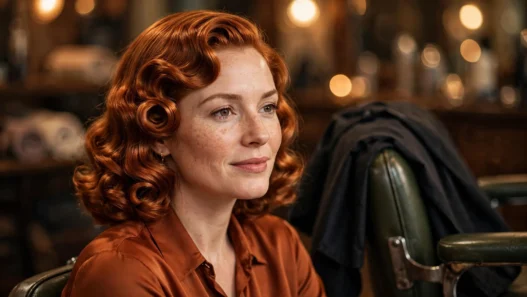
The fifties tell is set shine. Not brushed out softness. Not airy cloud. A sculpted, deliberate curl with a hard gleam on top. When the tinted studio light grazes her head in the photo below, you can see it. The highlight sits in one smooth ribbon instead of scattering.
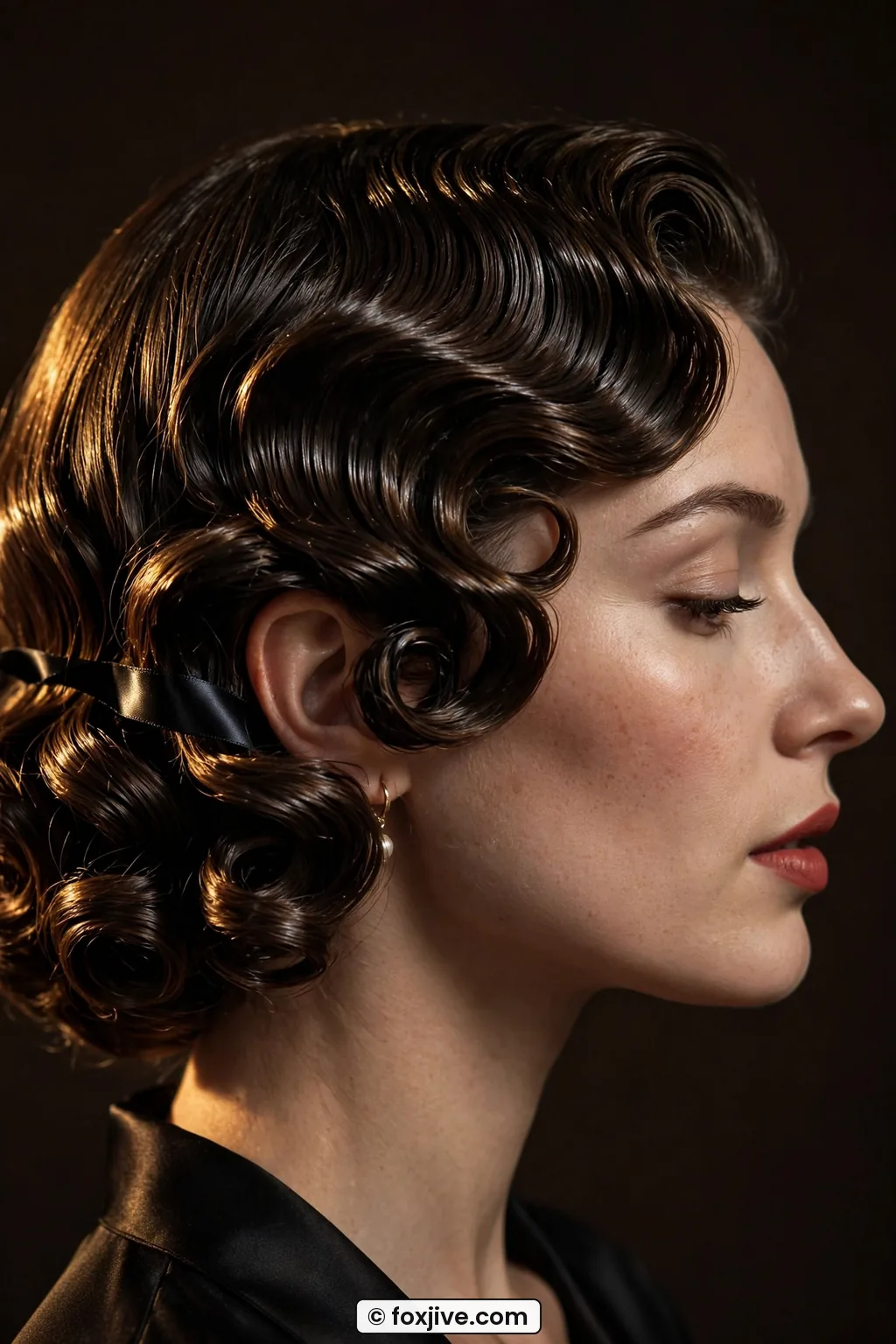
Width sits mid head, neat and contained. Ends curl under or roll inward, the exact opposite of that seventies flick. And the hairline looks finished. Shorter pieces are gelled or pinned into waves, not left wispy. I find this decade the hardest to fake with modern tools because it wants wet setting, not hot tools. Rollers on damp hair, dried completely, then brushed just enough to form a wave but not enough to frizz.
Versus the eighties? Night and day once you know. Eighties curls expand. Fifties curls cling. One wants to escape the head. The other wants to hug it. I learned the pin curl logic from a tutorial on classic wet setting methods that walked through molding and shaping vintage waves with pin curls molding techniques for vintage waves while I practiced on a rainy Sunday, and my respect for my grandmother tripled.
If you love this polished world, browse 1950s hairstyles slowly. The poodle variations and the softer pin up rolls use the same set base but read totally different in profile. And for the extreme opposite, peek at 1920s hairstyles where shine also rules but the head hugs even tighter and flatter to the skull. Seeing twenties finger waves next to fifties rolls finally taught my eyes what sculpted really means.
Which Version I Would Actually Wear in 2026
So which reads better now? For everyday life in 2026, I vote for an eighties base with seventies manners. I know that sounds like cheating. Let me explain.
Pure fifties setting is gorgeous but high maintenance. It wilts in humidity and it can feel stiff at a casual brunch. Pure sixties height can read costume unless you water it down a lot. Pure seventies softness is beautiful and easy, but on fine hair like mine it goes limp by 3 p.m. and I look tired.
My sweet spot is eighties root lift, just 70 percent of the full version, with seventies ends. I tease only at the crown and temples, smooth the top, then let everything from the ears down stay loose and flicky. I get height in photos without looking like I am headed to a theme party. And it holds. That interior cushion keeps my fine hair from sticking to my scalp when I sweat on the subway.
How do I keep it modern? Three tweaks. First, I skip crunchy mousse and use a light foam plus a little texture spray. Second, I leave my part slightly messy, not carved. Perfection dates you faster than volume does. Third, I keep my makeup and clothes simple when my hair is big. Big hair plus simple sweater always looks intentional. Big hair plus full vintage outfit looks like a performance, which is fun sometimes, just not daily.
If you are trying this for the first time, start with the tell, not the tools. Stand sideways in the mirror. Ask, where is my widest point? Nudge it up for eighties, down for seventies, taller for sixties, smoother for fifties. Once you see it, you cannot unsee it. And that is the best part.
Your Eighties Shape Questions, Answered Honestly
How do I get 80s volume without frying my hair?
Use heat less and setting more. Mousse on damp roots, diffuse mostly dry, then Velcro rollers on the crown for ten minutes. You get lift from shape, not just from hot tools.
Why does my big hair look 70s instead of 80s?
Check your widest point. If fullness starts at your chin, it will read seventies. Move the teasing and rollers higher, around temples and crown, and keep ends lighter.
Can fine hair actually hold that lift?
Yes, mine does, but only with grip. Dry shampoo before styling, foam at roots, then a light mist after. Heavy oils and serums will pull it straight down.
What is the fastest way to modernize retro volume?
Mess up the part and keep ends soft. A perfect center with huge sides can feel costumey. A slightly off part with airy ends reads current instantly.
I am still that girl with Polaroids in her cabinet, by the way. Only now I have four, one for each decade, labeled by tell in Sharpie. Come over and I will quiz you. You will get them right.