






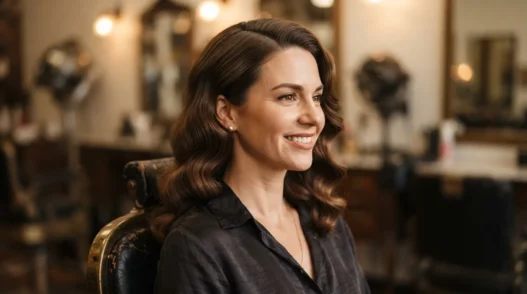
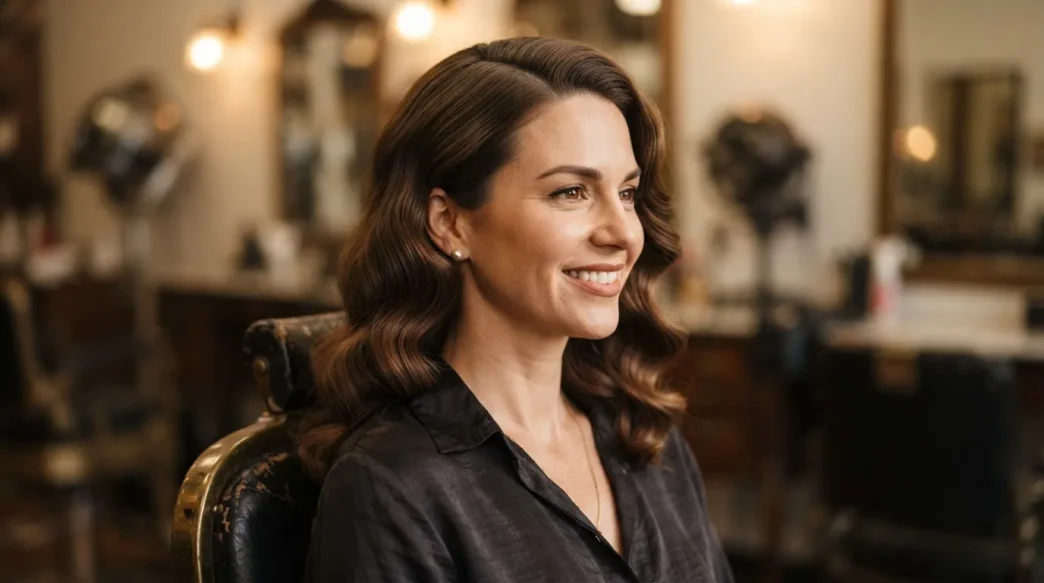
The first time I tried to wear 1930s hair outside of a costume party, I got three compliments and one extremely concerned look from a taxi driver who seemed genuinely worried I’d stepped off a film set. The waves were technically perfect. That was exactly the problem. Something about the era’s most iconic styling — those liquid, side-swept Old Hollywood waves — reads as theatrical the moment you do it right, and I spent a long time figuring out why that happens and what, specifically, to undo.
The answer is never “do it badly.” It’s more interesting than that. There are about four variables between “period-accurate” and “wearable Tuesday,” and each one works independently. Change just the right one and the whole look lands differently — still unmistakably thirties, but soft enough that nobody thinks you’ve wandered away from a murder mystery dinner.
Drop the Mirror Finish
This is the single biggest costume signal and almost nobody talks about it. Authentic 1930s wave sets were finished with brilliantine, wave creams, and oils that produced a slick, almost wet-looking surface sheen. On screen, under studio lights, that shine read as glamour. In modern daylight, it reads as grease — or worse, as someone who tried very hard to look like Jean Harlow.
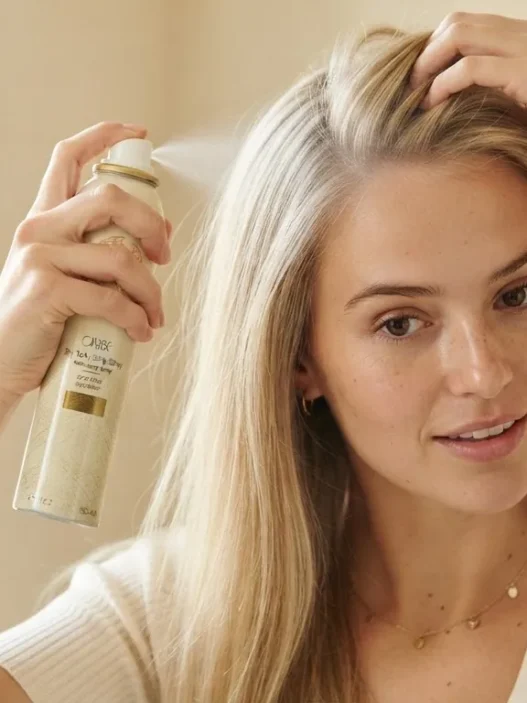
When I stopped reaching for shine serums and started finishing with a light, dry-texture mist instead, something shifted. The waves were still there — defined, directional, clearly period-influenced — but they looked like hair rather than a prop. The wave shape is what carries the era. The finish is just finish, and matte is your friend here.
Specifically: after setting and cooling your waves completely, break them gently with your fingers rather than a brush, then mist with a light hairspray — not a lacquer. One that dries with a flexible, powdery hold rather than a film. You lose nothing. You gain everything.
Keep the Part, Lose the Volume
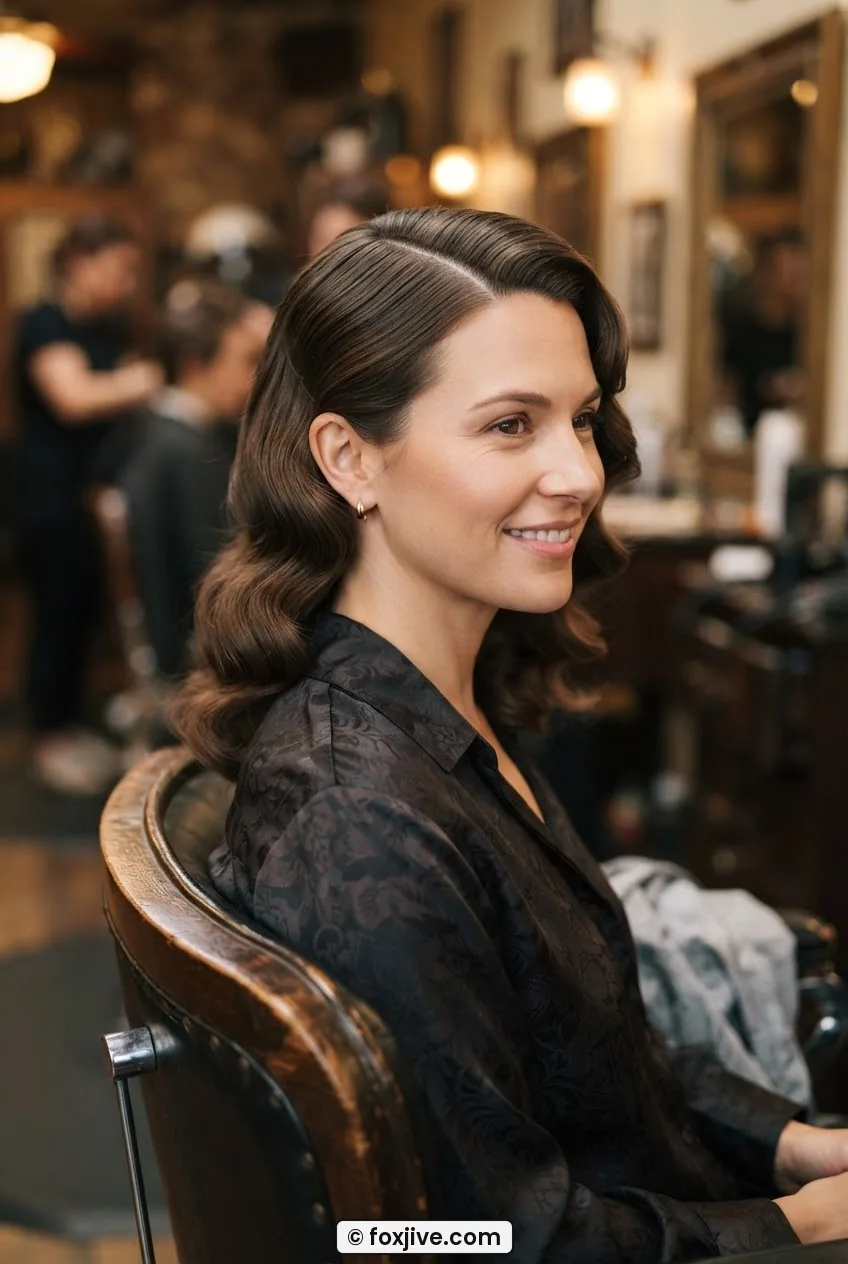
The side part is the non-negotiable signal of the decade. Deep, architectural, typically sitting somewhere between the arch of the eyebrow and the temple — it’s what makes a wave set read as thirties rather than forties or fifties. Don’t touch the part. The part is load-bearing.
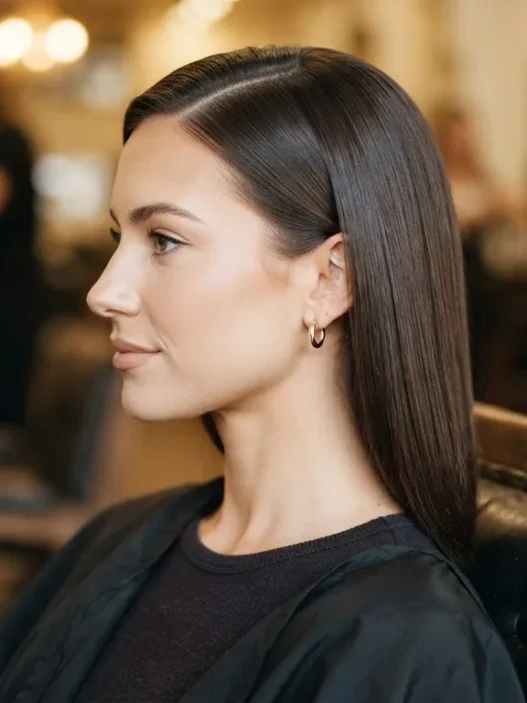
What you can reduce is the overall volume at the crown. Period-accurate sets often involved back-combing or padding to give the top a certain sculptural lift — appropriate for formal occasions, completely bizarre on a Wednesday at the grocery store. In photos like the one below, notice how she’s wearing hers with the side part perfectly intact but the crown lying relatively flat and close to the head. That flatness is modern. The part is pure thirties. The combination reads as intentional vintage, not cosplay.
Practically, this means skipping any root-lifting products at the crown area. Set your waves from mid-shaft down, let the root area stay naturally flat, and the silhouette becomes something a real woman in 2026 would actually wear to work. I tested this. I wore it to a work meeting. One colleague asked who my hairdresser was. Nobody asked what century I’d come from.
Soften the Wave Shape Itself
Here’s where I’ll say something slightly controversial: I think perfectly executed finger waves are genuinely unwearable in everyday life, and I don’t mean that as a criticism of the technique. They’re extraordinary. They’re also — when done with precision, with every crest and trough symmetrical and lacquered in place — essentially a theatrical piece. The more perfect the wave pattern, the more costume-adjacent it becomes.
The wearable version lives in the impression of a wave rather than its perfect execution. What I mean is this: set the direction — the sweep, the flow, the way the hair moves away from the part and then curls softly around the jaw — but let the individual wave ridges blur slightly. How Marcel waves work before you attempt this, because understanding the mechanics helps you know which part to under-do.
Loose pin curls rather than finger waves get you there faster. Or a large-barrel waving iron used more loosely than recommended. The goal is a wave that suggests the thirties rather than one that documents it.
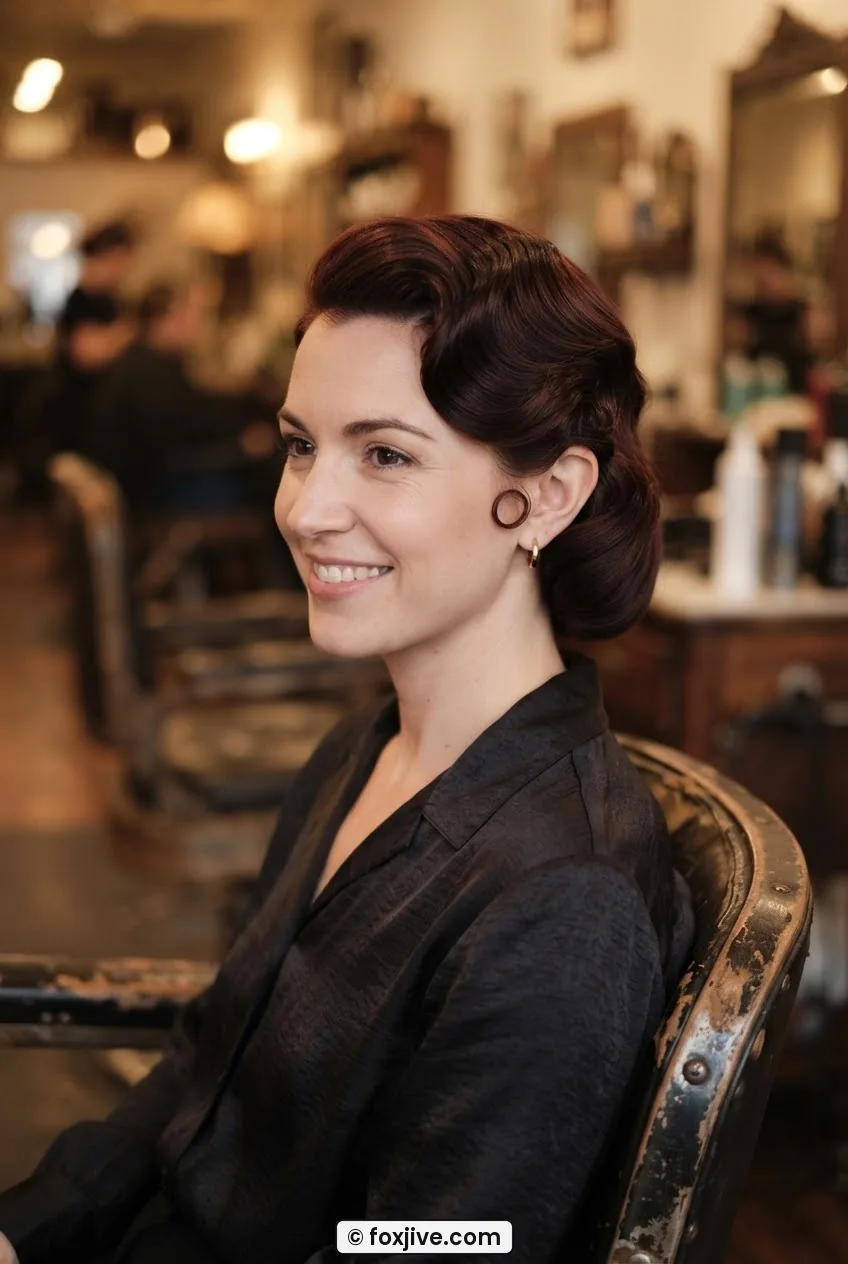
A Tutorial That Actually Shows the Soft Wave Technique
What You Must Keep or It Stops Reading as Period
Now the other side of the equation. Every adjustment above works because certain elements stay fixed. Remove too much and you just have a generic wavy blowout with no particular era attached to it. These are the things I never touch.
The direction of the wave. Thirties waves always move away from the face, sweeping back and then curving — never toward the face, never bouncy and outward like fifties waves. That directional quality is what places the look in time.
The ear exposure. This decade liked ears shown — sometimes with a small curl tucked behind, sometimes pinned, but almost never covered by falling hair the way the forties and seventies would later do. Keeping that ear visible is a quiet period signal that works even when everything else is toned down.
The length at the nape. 1930s hair very rarely sat above the collarbone at the back, even on styles that appeared short from the front. That slight length at the back — even if barely visible — matters to the overall silhouette. It’s why Victory Rolls from the following decade read so differently: they’re shorter, punchier, more upswept at the back. Keep some length at the nape and the silhouette stays planted in the right decade.
Understanding what’s structural versus what’s decorative is the whole game when you’re translating vintage. The decorative elements — the shine, the stiffness, the crown height — can go. The structural ones are what you protect.
Long Hair and the 1930s Problem Nobody Talks About
Most reference images for this decade show hair to the shoulders or very slightly past — a length that makes the wave pattern legible from root to end. If you’re working with genuinely long hair, say bra-strap length or longer, there’s a translation problem that nobody seems to address directly: the wave runs out of steam.
Long 1930s hair in period photographs typically fell into a soft, barely-there wave or a single rolling curl at the ends rather than a full wave pattern all the way down. The bottom third of very long hair would often be gathered, pinned, or allowed to fall in a loose single curl. This is actually fantastic news for modern wearers because it means you’re not waving six inches of ends — you’re waving the top half and letting the rest go soft.
For context on how much translating is involved across the decades — because the forties took everything the thirties did and pushed it harder — it’s worth looking at how later era styles like 9 Victory Roll ideas ranked by how long they take compare in terms of effort and structure. The thirties set is, in some ways, actually more achievable on long hair because it’s less architecturally demanding at the crown.
The practical approach: use a wide-barrel iron on the top two-thirds of your hair to establish the wave and directional sweep, then leave the bottom section to curl naturally or add a single soft end-curl. Pin the whole arrangement at the nape into a loose horizontal roll if you want a more formal result. You can read up on Old Hollywood waves on long hair to see the technique broken down more specifically — it’s genuinely more accessible than short-hair versions once you understand what the bottom section is supposed to do.
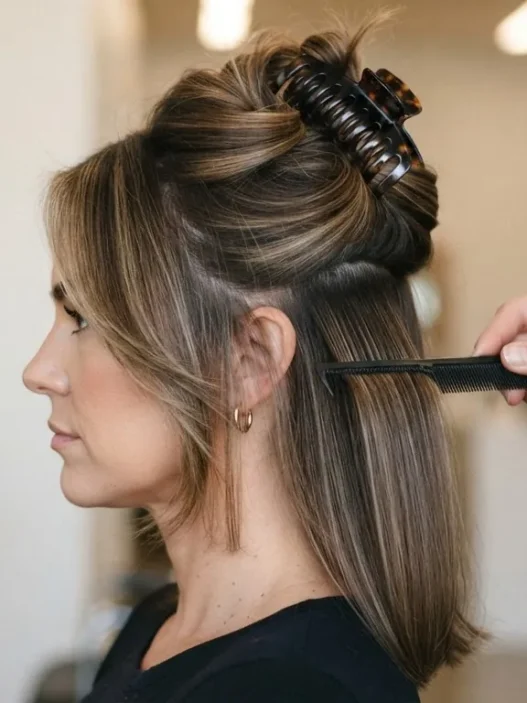
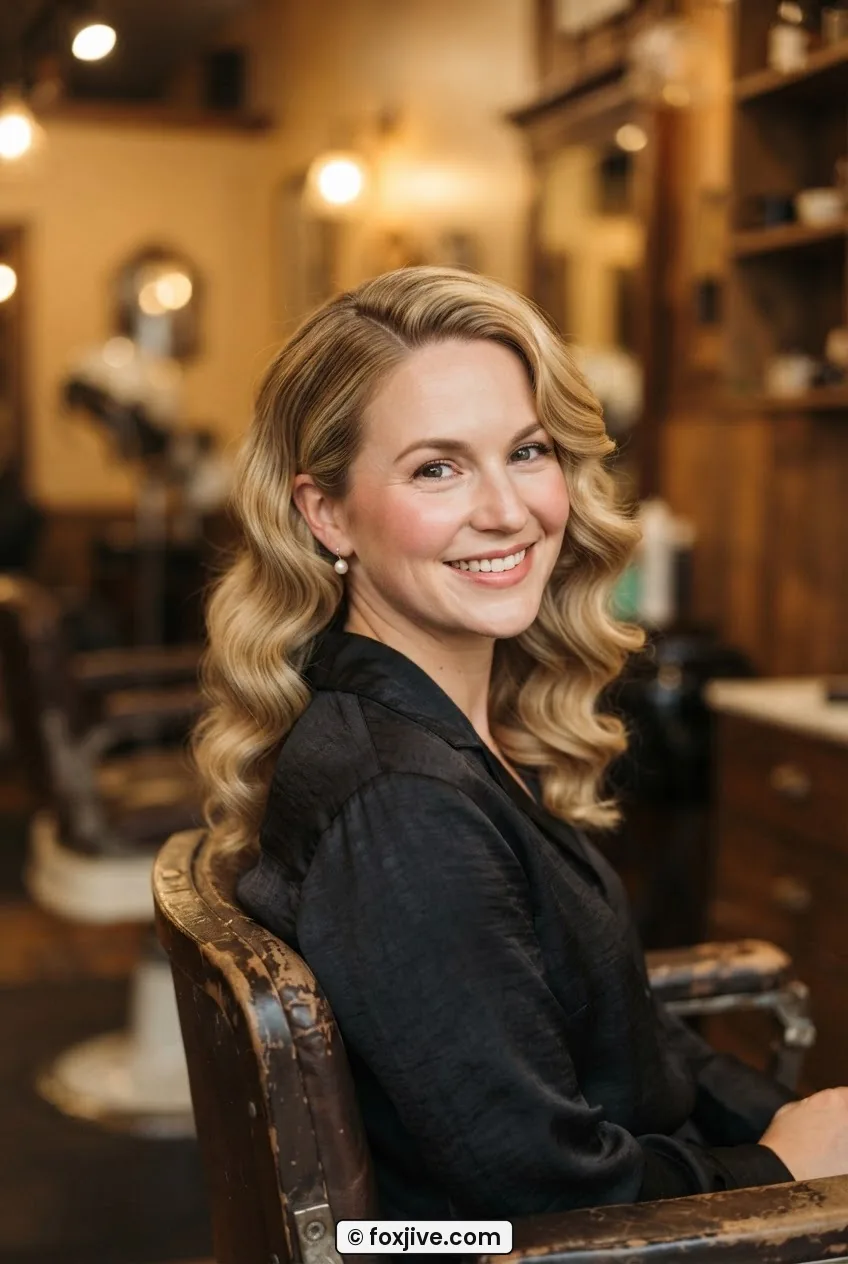
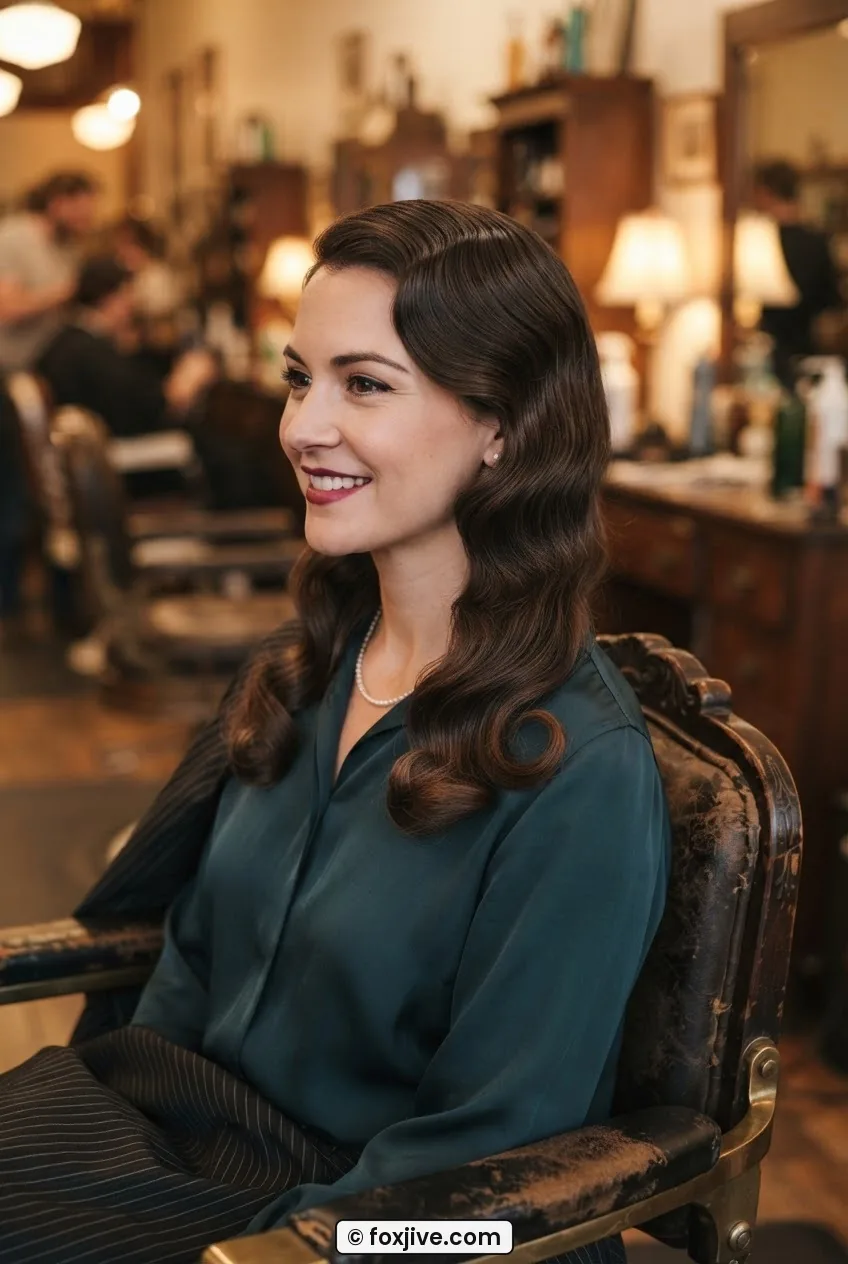
The woman in this photo has hair that hits just below her shoulder — which is actually the ideal length for this. See how the wave reads all the way to the ends without losing definition? That’s the sweet spot. Longer than this and you’d want that soft-end strategy I described above.
Questions I Get About This
Do I need a special iron to do this, or will a regular curling wand work?
A Marcel iron is ideal and worth learning if you’re serious about this look — the stationary barrel gives you real control over wave direction. That said, a large-barrel curling iron (1.5 to 2 inches) can absolutely get you to the wearable version I’m describing here. It just takes a bit more wrapping technique and a lot more patience with the cooling step, which is non-negotiable for wave hold.
How do I keep the waves lasting through the day without using a stiff product?
Cooling time is everything — let each curl or wave set completely cold before releasing it, ideally pinning it in place while it cools. A light-hold flexible spray applied in sections while still pinned does more than any product applied after the fact. You can also find a lot of useful guidance from how to make waves last longer if you want to go deeper into hold-without-crunch territory.
Can I do this on naturally textured or curly hair?
Yes — and sometimes more easily than on straight hair, because you already have movement to work with. The key is working with the natural wave direction rather than against it. Use a smoothing cream to elongate and unify the curl pattern before styling, then guide your natural wave into the side-swept direction with clips and pins while drying. The result won’t look exactly like the period photographs, but it’ll read as the same era — which is exactly what we’re after anyway.
Is this look appropriate for short hair, or does it only work at a certain length?
The 1930s actually had a whole tradition of shorter, shaped cuts — the era loved a cropped nape with length on top. Short 1930s hair tends to look less theatrical than long because there’s less wave pattern to read as deliberate. The thing to watch with short hair is the silhouette at the sides: keep it close and smooth rather than fluffy, and the ear-exposed principle still applies. If vintage cuts genuinely interest you, Foxjive has a lot of decade-by-decade material worth exploring across the full range of lengths.
If you’ve got specific questions or want to see this applied to a particular hair type or length, feel free to reach out through the contact page — I read everything. The thirties are genuinely one of my favorite decades to translate because the bones of the look are so strong that very little needs to stay for the whole thing to land. One good part. A wave that sweeps instead of bounces. Matte finish. That’s honestly most of it.