







I get this wrong for years. I used to think 1920s hair just appeared one morning in Paris, all sharp bobs and finger waves and jazz. Then I tried to set a real Marcel wave on myself with a wavy iron and too much gel, and it looked like a Halloween costume. That failure sent me down a rabbit hole of barbers, dancers, and one very stubborn actress, and what I found changed how I wear vintage completely.
Because the bob was not a fashion whim. It was a break-up letter. And once you know who wrote it first, you never look at a side part the same way again.
Before 1920: Long Hair Was the Rule
To understand why the chop felt so violent, you have to picture what came before. In 1910, a respectable woman did not cut her hair. Ever. Long hair was washed once every two weeks with borax or egg yolk, brushed one hundred strokes at night, and wound into a low-slung Gibson tuck or a soft pompadour. My grandmother described her mother sleeping in a braided coronet because loose hair in the house was considered untidy. Cutting it off was what you did for illness, grief, or punishment.
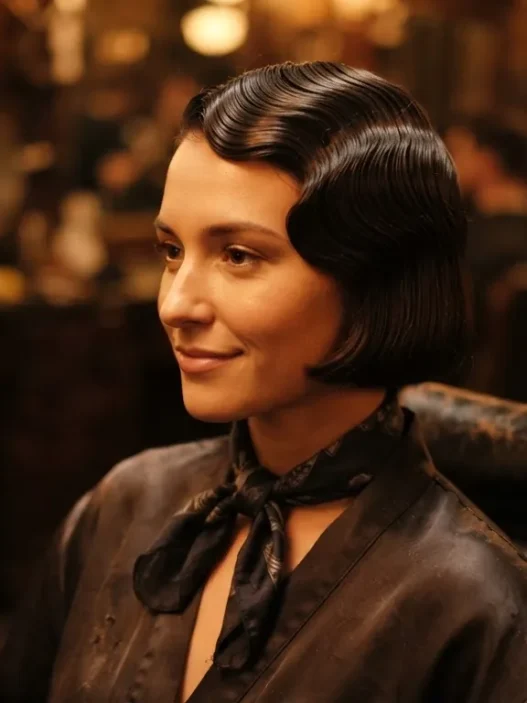
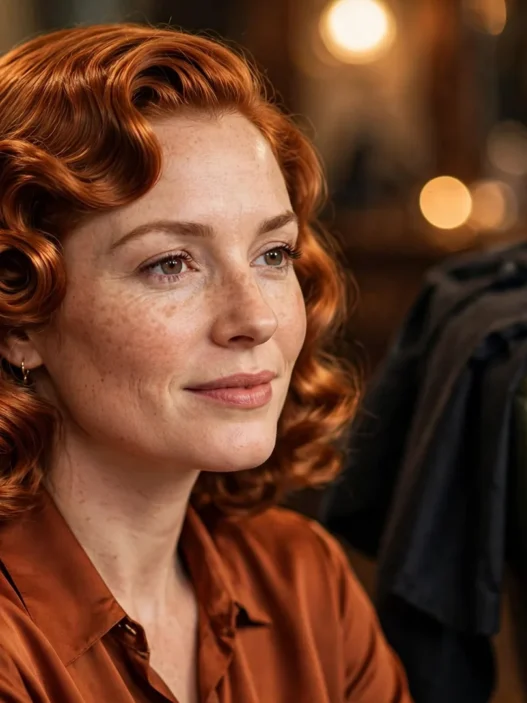
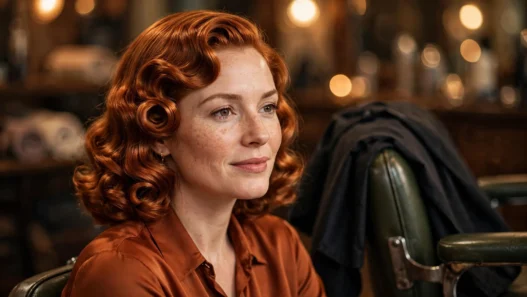
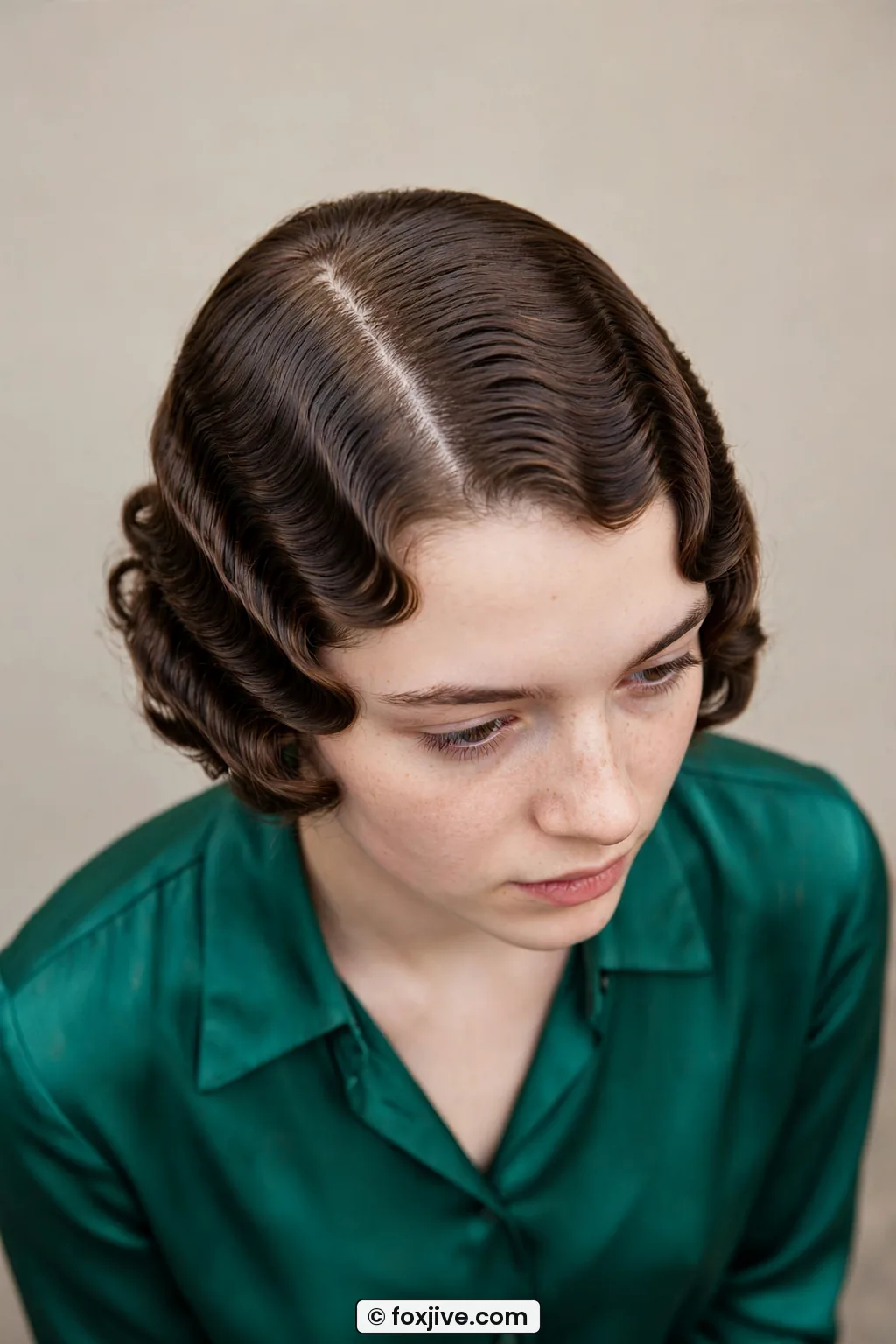
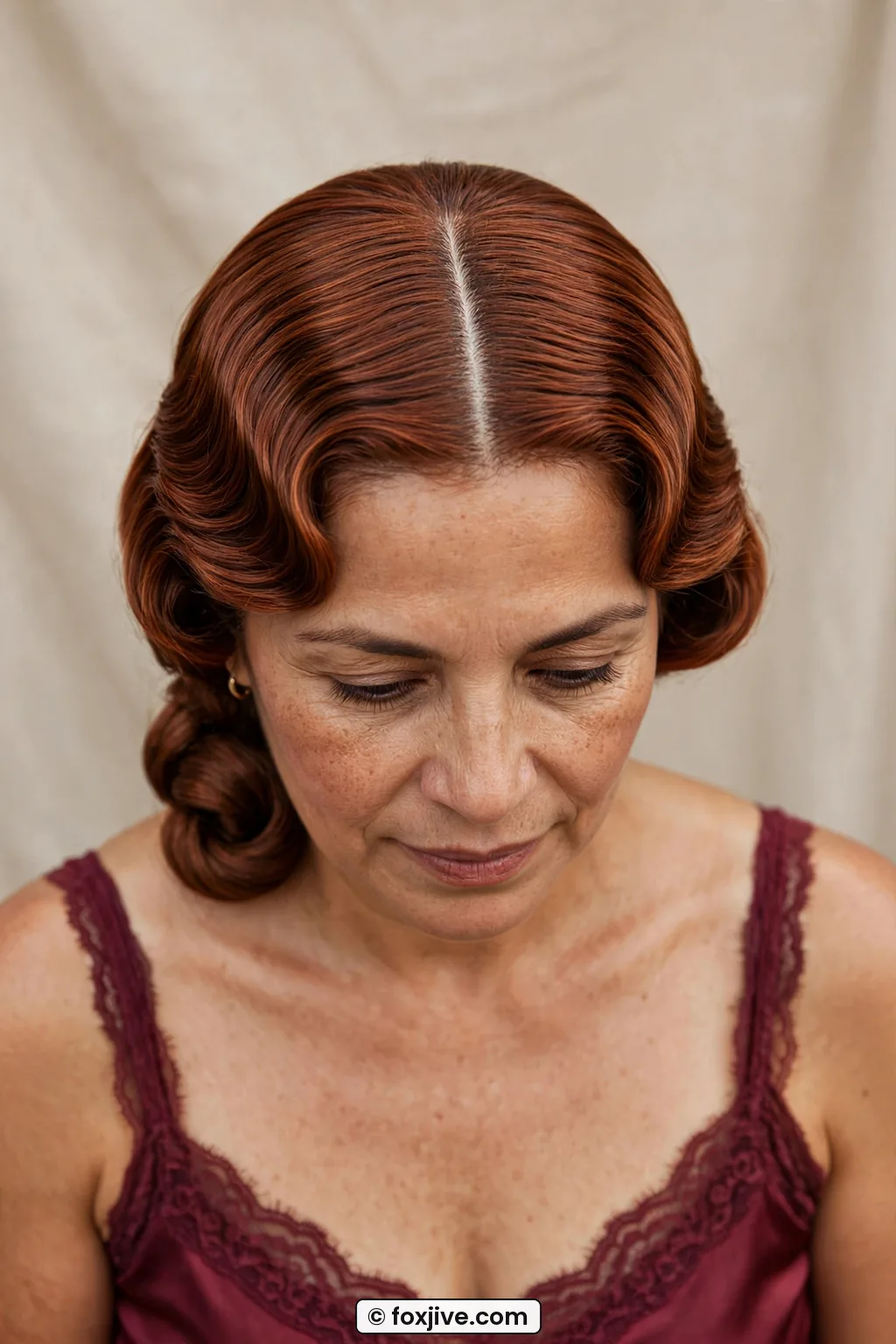
And yet the tools for rebellion were already in the barbershop. In 1870s Paris, a French hairdresser named Marcel Grateau invented heated tongs that made a deep, flat, S-shaped wave. The Marcel wave was a heat-styled wave, worn close to the head, and society women loved it because it tamed long hair without cutting it. Look at how she is wearing hers in this close crop, that low side part pressed flat on one side and lifting into a soft ridge on the other. That tension between flat and full is pure Marcel logic, and it is exactly what later made short hair look so polished.
I love this part of the story because it proves the shape came before the length. Women wanted that sculpted, head-hugging finish for fifty years before they dared to cut the length that made it so much work.
- A long-Haired Gibson Girl spent 45 minutes pinning every morning
- A Marcel-waved society matron spent an hour with hot irons and brilliantine
- A 1918 munitions worker with a Castle bob spent ten minutes and was done
That last line is the crack in the wall. During World War I, thousands of British and American women took factory and nursing jobs where long hair caught in belts and machines. Hairdressers quietly note a practical short cut called the Castle bob around 1914, named after ballroom dancers Irene and Vernon Castle. Irene cut hers for an operation, kept it short for dancing, and Vogue actually scolded her for it in 1915. But working girls copied her anyway. Function came first. Fashion pretended it invented it later.
1921-1925: The Bob Breaks Loose
So who actually lit the match? Most people get this wrong. They say Coco Chanel or Louise Brooks. I did too. The real answer is messier and earlier, and she was an American stage actress with a sharp jaw and zero patience for hairpins.
In late 1920, Colleen Moore was a seventeen-year-old starlet tired of playing baby-doll ingenues with curls down to her waist. For her 1921 stills she asked her brother to cut straight across at the jaw, with a heavy, straight-across fringe. Her publicity stills went out in fan magazines, and by 1923 her film Flaming Youth made the look national. When I tried this exact cut on a wig last year, a blunt chin-grazing bob with that thick fringe, I understood instantly why mothers panicked. It removes every soft curtain around the face. There is nowhere to hide. That was the point.
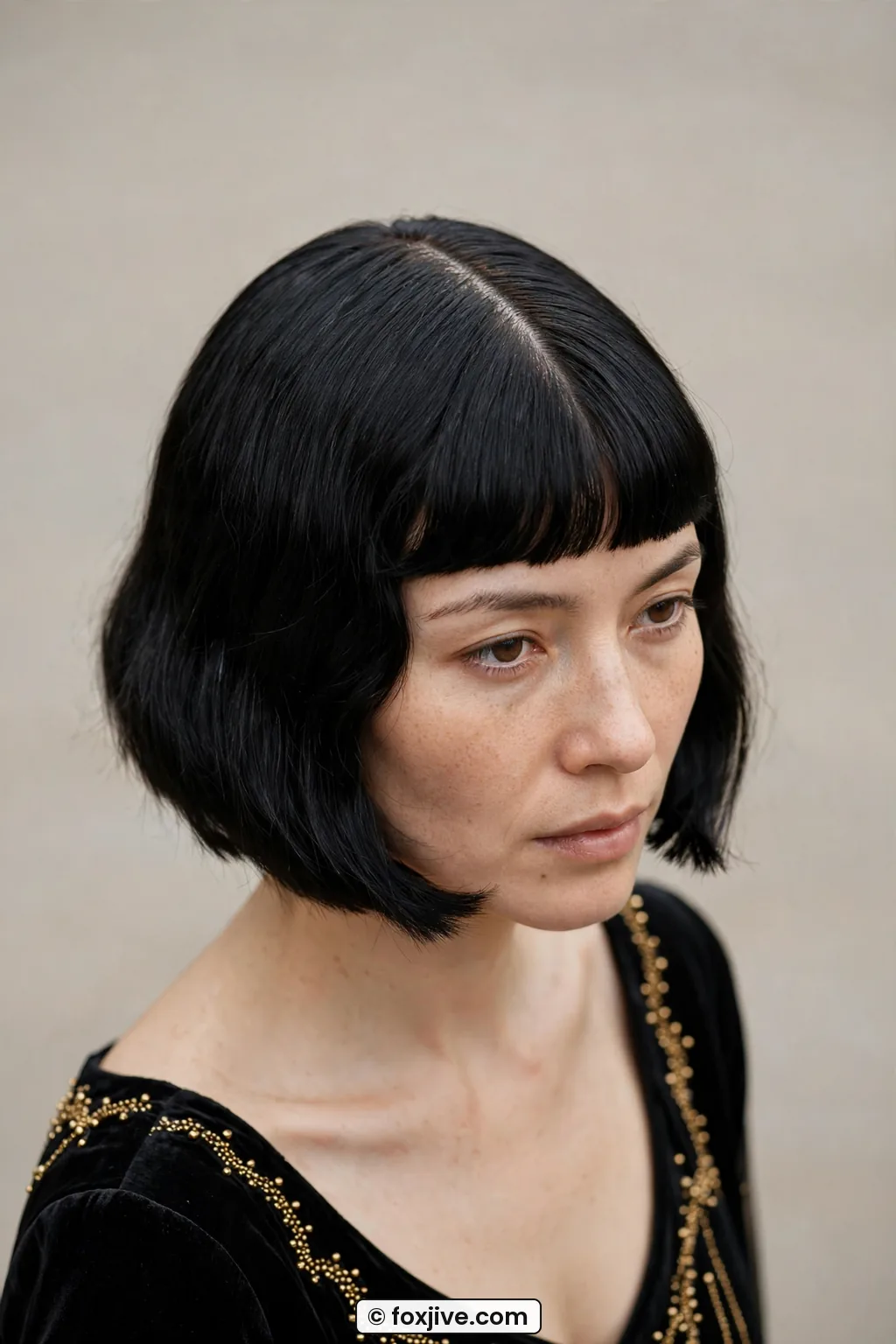
This is the length I am talking about. See how it hits just below her chin in the photo? No graduation, no soft shaggy ends, just a clean, cheek-exposing line. Colleen wore hers with a fiercely glossy finish and a center part grown out into that fridge-like fringe. It photographed like a helmet, modern and a little defiant.
A year later, in 1922, writer F. Scott Fitzgerald poured fuel on it. His short story Bernice Bobs Her Hair follows a mousy girl who becomes magnetic after a barbershop bob, and then gets revenge. Fitzgerald’s wife Zelda had cut hers in 1920 and he wrote what he saw. You can learn a lot about how the style was actually set by reading up on how finger waves were set before you try them at home, because early bobs were not wash-and-go at all.
And here is my slightly unpopular opinion. Louise Brooks did not invent the bob, and her famous black helmet, cut by the Russian-born hairdresser Anton de Coti in 1923, is actually a late and extreme version. I adore her, but idolizing only Brooks erases the Black and working-class women who had practical short cuts years earlier for factory work and who were rarely photographed for fan magazines. History remembered the movie star. The shop girls got there first.
I keep a photo of Colleen Moore taped inside my bathroom cabinet. When my bob feels boring, I look at her stare and remember it was meant to be a little rude.
1926-1929: The Decade It Spread
Did every woman really cut her hair?
No, and that is the myth that drives me crazy. By 1926, only about a third of young urban women in America had a true ear-to-jaw bob. Everyone else faked it. My favorite detail from beauty manuals of 1927 is the faux bob, where long-haired women coiled their length at the nape and pinned a horseshoe of Marcel waves over it to look short for a night out. My great-aunt did that for a wedding in 1928 because her husband forbade a cut. The photographs fool you. The back tells the truth.
So what did a real late-20s head look like up close?
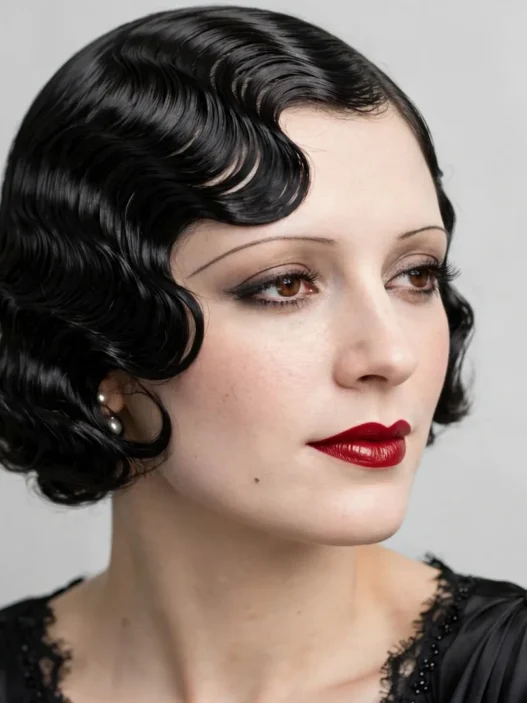
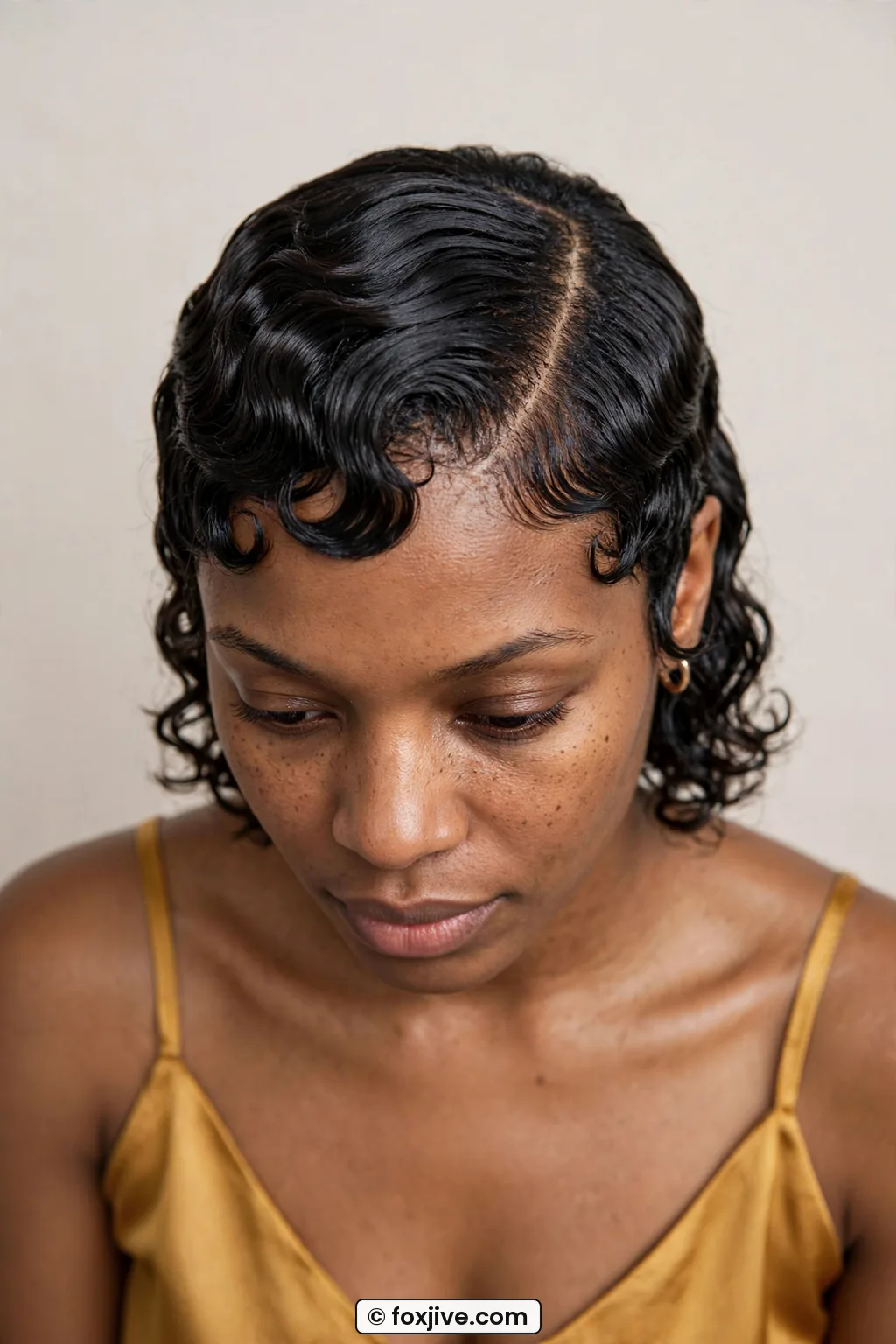
Shorter than you think, flatter than you think, and parted lower than you think. The Eton crop of 1926 to 1928 was cut almost like a boy’s, tapered tight at the nape, with the sides slicked into flat finger waves and the top molded into a low side part. This next photo shows it perfectly from above. Notice her deeply drawn side part, almost above the temple, with the set rippling back on the heavy side. That low-placed part is not an accident, it forces the wave to lie close and makes the head look small under a cloche hat.
Who carried it past the flappers?
Dancers and screen sirens, not heiresses. Josephine Baker slicked her Eton crop into glossy kiss curls in Paris in 1926 and sold more brilliantine in France than anyone else that year. Clara Bow wore a tousled, less-perfect bob with a slightly grown-out fringe that moved when she laughed. That looseness mattered. It told suburban girls they did not need a daily hot-iron appointment to participate. You can see the same push and pull today when people argue about 1950s hairstyles being too set versus wearable, the tension between perfect and lived-in never left us.
Technically, this was the golden age of setting lotion, comb waves, and skull caps. Women slept in wave clips. Beauty parlors advertised a thirty-minute electric Marcel. And barbers, who had never cut women’s hair before, suddenly owned the most profitable cut in town. A 1927 trade journal I found on archive.org bragged that a barber could do fourteen shingle bobs a day at fifty cents each. Money spread the style faster than magazines did.
1930-1935: What Killed It
Nothing kills a rebellion like everyone doing it, and by 1929 mothers had bobs, grandmothers had bobs, even department-store mannequins had bobs. Then two things happened at once. The stock market crashed, and hair got sad and romantic again.
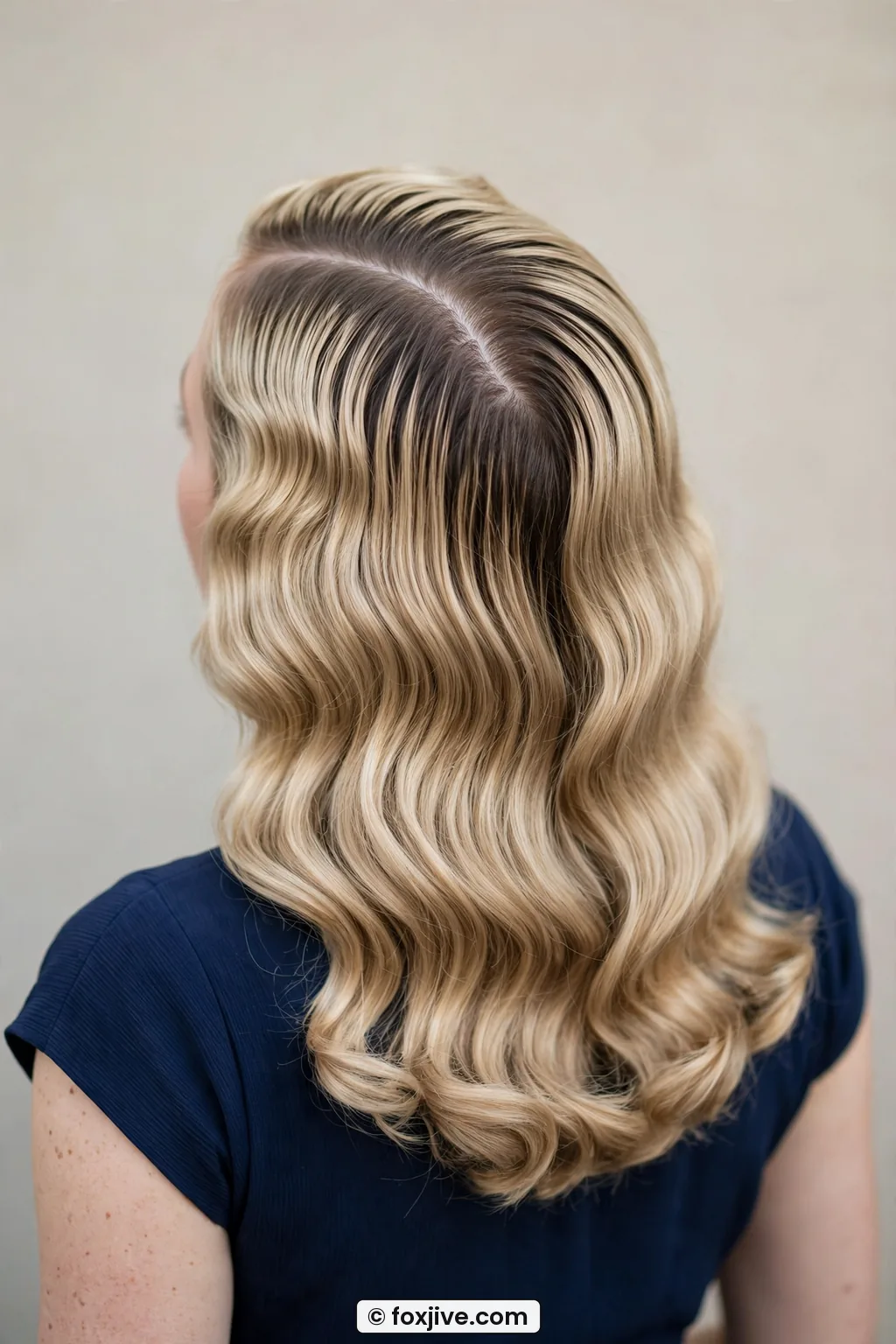
Compare them side by side and you feel it instantly. The 1928 shingle is short, flat, boyish, matte at the roots, graphic from every angle, made for hats and dancing. The 1933 wave is longer, softer, side-swept, glossy at the ends, made for the camera and for sorrow. The Depression wanted daydreams, not defiance, and Hollywood obliged with grown-out bobs that brushed the shoulders and curled under.
Jean Harlow bleached and waved hers into platinum silk in 1931. Greta Garbo let hers grow into a soft, off-the-face roll. Beauty shops stopped advertising the fifteen-minute shingle and started selling permanent waves that took three hours and cost a week’s wages. If you love that longer, softer finish, my notes on 1930s hair without the fancy dress problem break down how to grow a bob out without that awful triangle stage, and the deep side part survived straight into old Hollywood waves with almost no change except length.
There was also a quiet backlash. Preachers called the bob unfeminine. Some employers in 1930 listed long-haired preferred in help-wanted ads. You can read period barbering advice about growing out crops if you look up how salons grew out short bobs and you will see the exact pin-curl diagrams they used to hide the shaggy nape. Women did not wake up one day and decide short was ugly. They were nudged, priced out, and romanced out of it.
What Survived Into Now
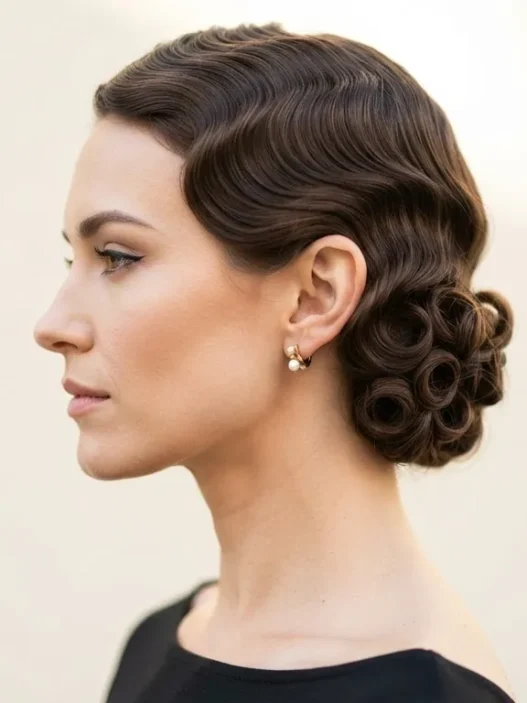
Last spring I wore a faux finger wave to a wedding. Not a full helmet, just a deep side part with two sculpted ridges at the front and the rest in a low twist. Three women asked if I had cut my hair. That is the secret. What survived was not the length. It was the part and the finish.
The low side part, the flat-to-the-head front with movement at the temple, the glossy S-ridge that catches light in photos, all of that lives on. I see it when stylists do sculpted red-carpet waves, I see it in the way 1970s hairstyles borrowed that flat crown before exploding into volume, and I even see it in the sleek side part that keeps popping up next to 1990s hairstyles on my feed. You can get the vibe in 2026 without a costume if you keep one element vintage and let the rest be modern. A sharp part with soft hair. Or soft part with one sharp wave. Never helmet plus vintage dress plus red lip all at once unless you want fancy dress.
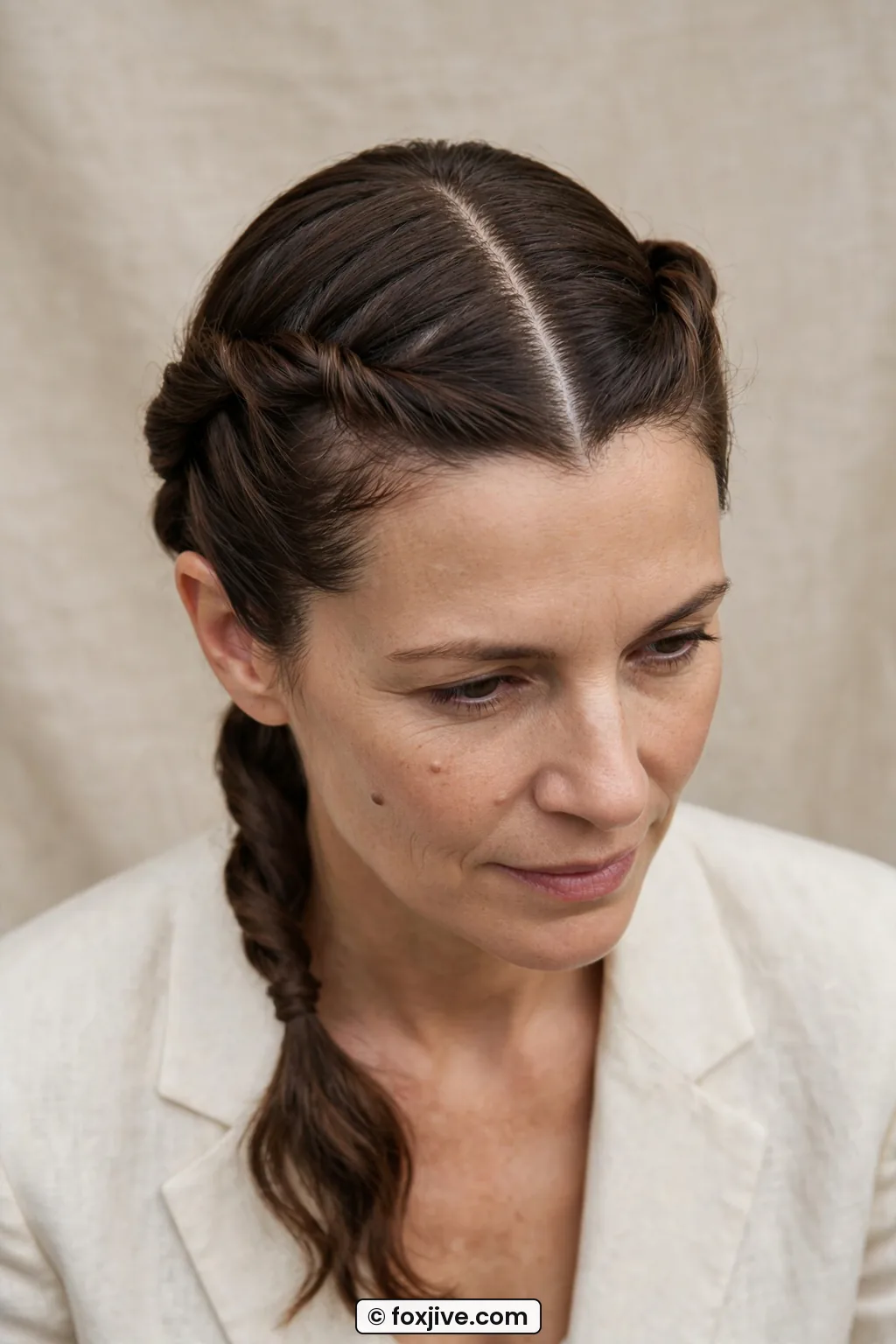
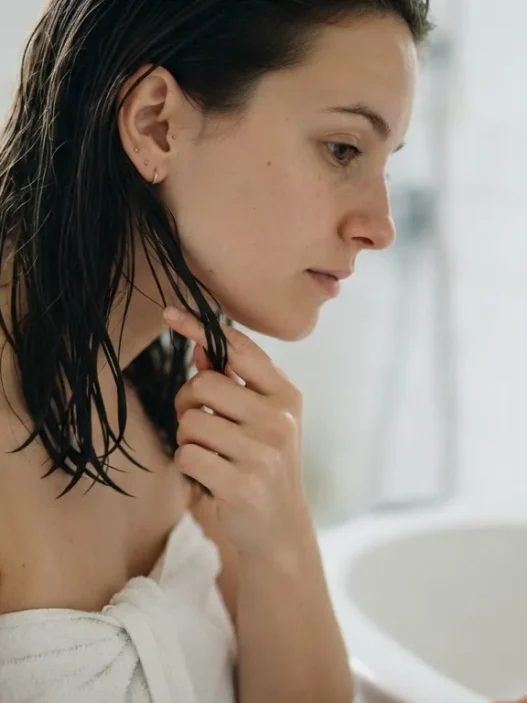
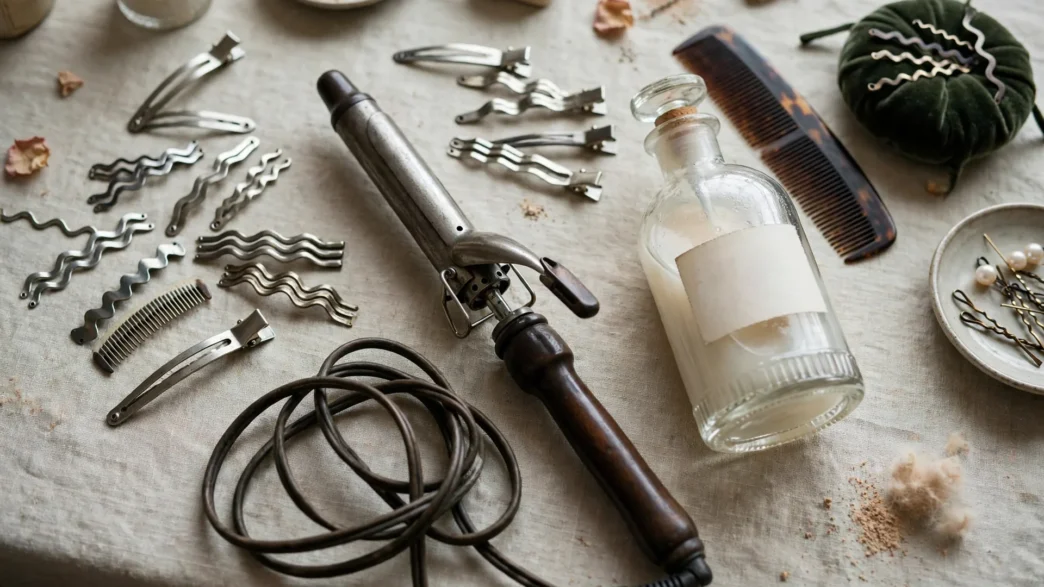
My well-tested method for a wearable version is simple. Start with damp hair and a light mousse, not heavy gel. Draw a low side part with the tail of a comb while it is still wet. Create two flat twists or two pin curls at the front on the heavy side, clip them flat, and blow-dry the back smooth. Release, brush once with a soft boar brush, and press with a flat iron for five seconds per ridge. Finish with a pea-sized shine serum. Ten minutes, and it reads as intentional rather than theatrical. For extra staying power I learned a lot from reading about how pin curls hold overnight and then ignoring half of it, because modern hair does not need sugar water to behave.
See My Wearable Wave Demo
1920s Hair Questions I Hear at Every Party
Did 1920s hair work on curly or coily textures?
Yes, but magazines rarely showed it. Black beauty parlors in Chicago and Harlem pressed and molded short cuts into flat waves with hot combs and pomade, and Josephine Baker is the best-known example. The technique was different, the silhouette was the same.
How long did a finger wave actually last?
One to three days with setting lotion and a nightcap, less in humidity. Women refreshed the front with water and a comb each morning rather than redoing the whole head. That is why the front looks perfect in photos and the back is often hidden under a hat.
Can I fake a bob without cutting?
Absolutely, and it is period-correct. Pin your length into a low flat coil at the nape, leave the front out, set two waves, then drape the waves over the coil and pin. A low headband or scarf hides the join beautifully.
What is the one mistake that makes it look costumey?
Doing too many vintage signals at once. Pick either the sharp part or the full finger texture or the dark lip, not all three. Modern fabric and minimal makeup keep a strong wave feeling current.
Anyway, I am off to rewatch Flaming Youth and talk myself out of cutting a straight-across fringe again. If you try the low part this week, tell me if strangers treat you a little differently. They did with me, and honestly, I liked it.