






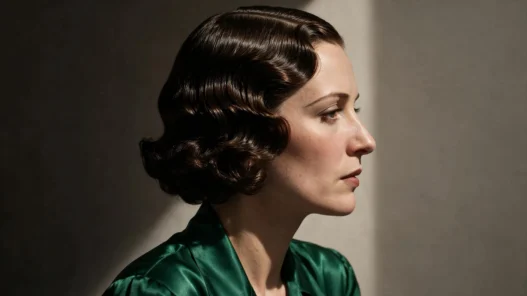
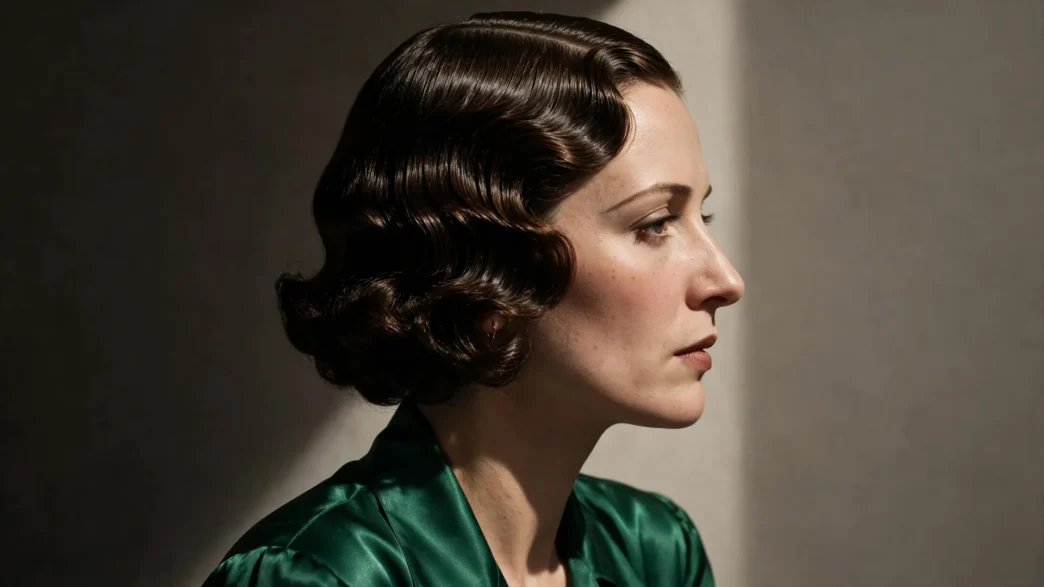
I used to think 1930s hair meant long, soft, romantic waves floating over shoulders. Then I tried to recreate it for a themed wedding and nothing made sense. My too-long hair would not sit flat at the crown no matter how much I pinned it. That frustrating afternoon sent me down a rabbit hole of old newsreels and salon manuals, and what I found completely rewired how I see the decade.
Before 1925: The Bob Everyone Misremembers
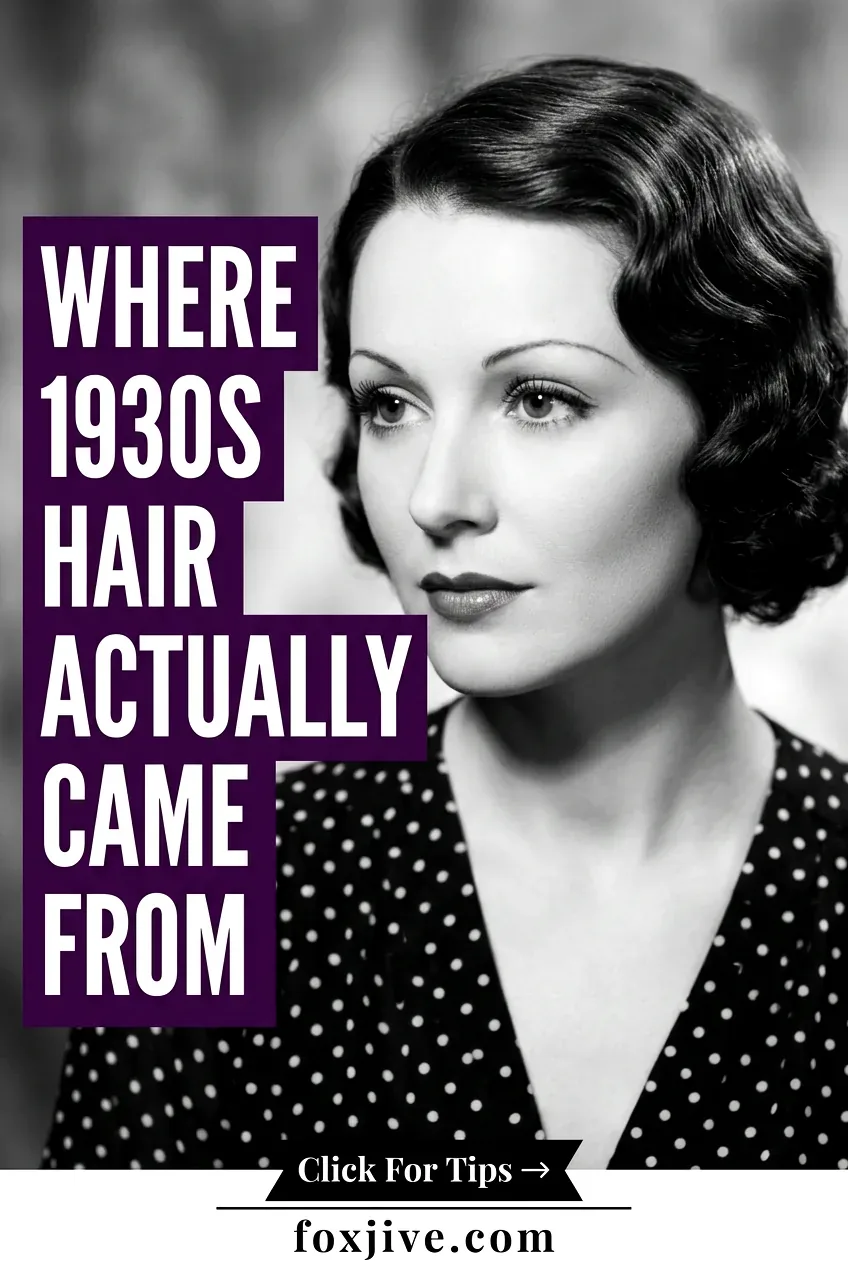
Here is the detail most people get wrong about 1930s hair. It did not start in the 1930s at all. When I look at photos from 1932, I am really looking at the grown-out, softened, slightly exhausted child of the 1920s bob.
Before 1925, respectable middle-class women still wore long hair coiled at the nape. The first short cuts were genuinely shocking. I love reading old beauty columns from 1921 because the writers sound panicked, like society might collapse if necks stayed exposed. Dancers like Irene Castle had already cut theirs in 1917 for practical reasons, and by 1923 the barber shops in New York were reporting lines of young office girls asking for what they called a boyish bob.
If you want context for just how radical that earlier cut was, I keep going back to 1920s hairstyles as a starting point. That short, flat, ear-hugging shape was the rebellion. The 1930s version was the aftermath.
Antoine de Paris, the Polish-born hairdresser who basically ruled Parisian hair in that period, gets a lot of credit here and I think he deserves it. He was cutting what he called the garconne in 1922 to 1924, very close at the back with a well-defined side part. Colleen Moore, the silent-film star with those famous Dutch-boy bangs, made it cute and American around 1923. Louise Brooks tightened it into that jet-black, cheek-grazing helmet by 1926.
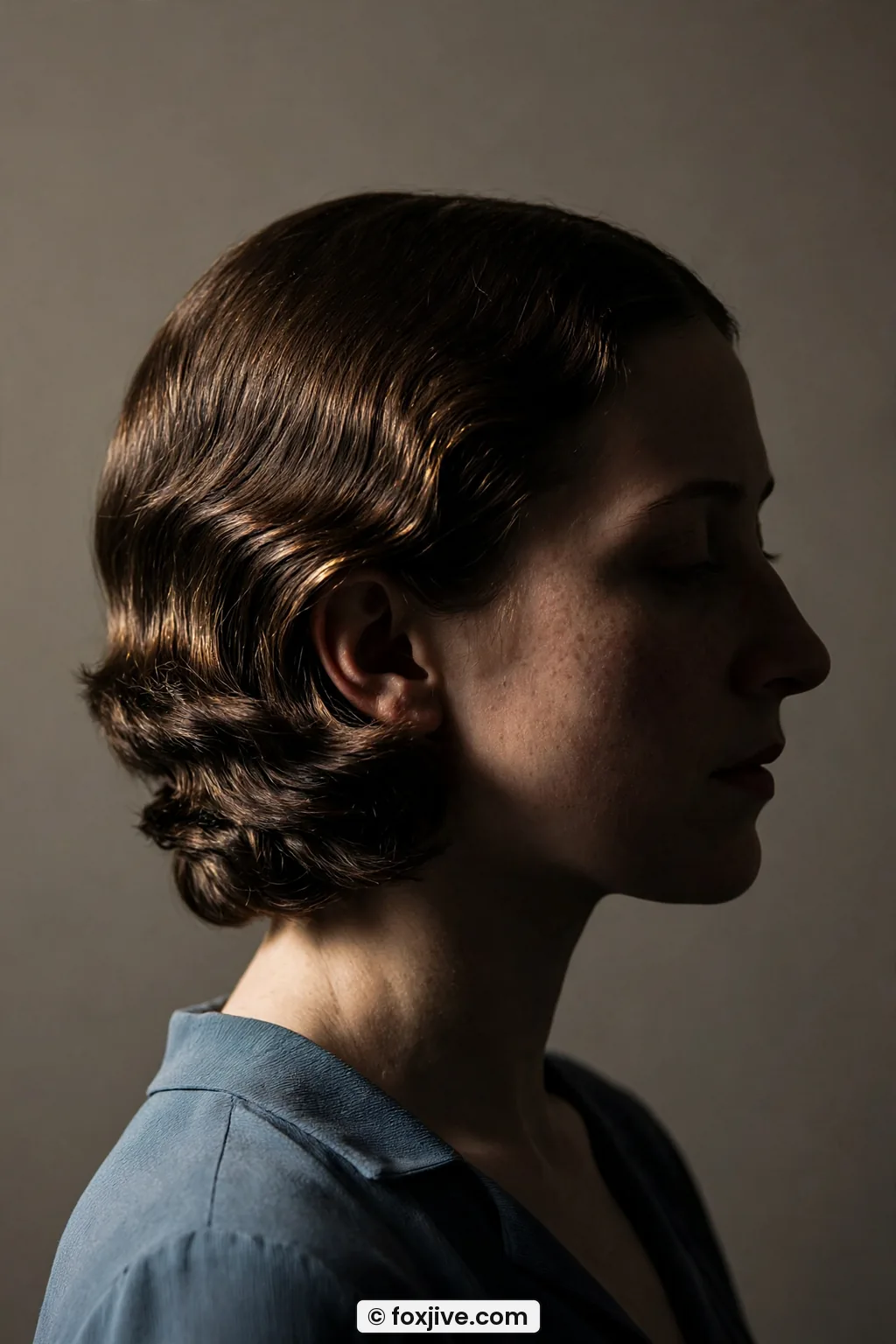
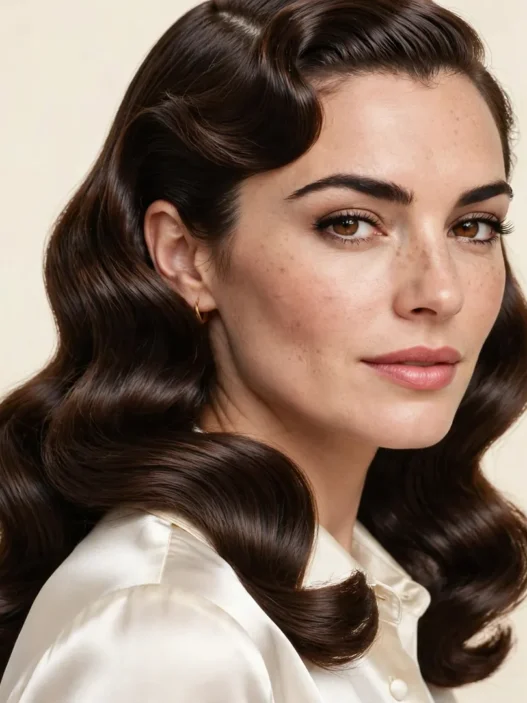
Look at how she is wearing hers in that first portrait, flat through the crown with that hard sculpted edge at the temple. That close-to-the-head fit is exactly what I mean about the early shape. My favorite detail is the softly grown-out nape, not shingled anymore, just kissing the collar.
By 1927 hemlines had crept up, makeup had darkened, and some ministers were literally preaching against bobbed hair on Sundays. Then the market crashed. And that is where our story really turns.
1929 to 1934: The Decade It Spread
When the Depression hit in late 1929, women did not suddenly have money for weekly salon marceling. And yet, ironically, this is when the sculpted look spread the fastest. I find that fascinating. Hard times made polished hair feel like armor.
This section lives in my head as a list, because the shift was not one invention but three small practical fixes stacked on top of each other:
- A longer bob with a low, softly stacked nape, so it could go four to six weeks between cuts instead of two. My own bob grows out in a triangle and I felt so seen when I read a 1931 trade journal complaining about the exact same thing.
- Finger waves done at home with setting lotion and metal wave clips, not hot irons. Cheap, long-lasting, and very Depression-friendly.
- A deep side part that could hide regrowth and make a too-wide forehead look narrower on camera. Once I started parting mine almost above the arch of my brow, my whole face changed.
Greta Garbo carried this transition better than anyone. In the 1930 film Anna Christie, her hair is still fairly flat and center-parted, very late-20s. By 1932 in Grand Hotel, it has softened into off-the-face waves with volume just at the outer corners. She never went full-curly, and I love her for that restraint.
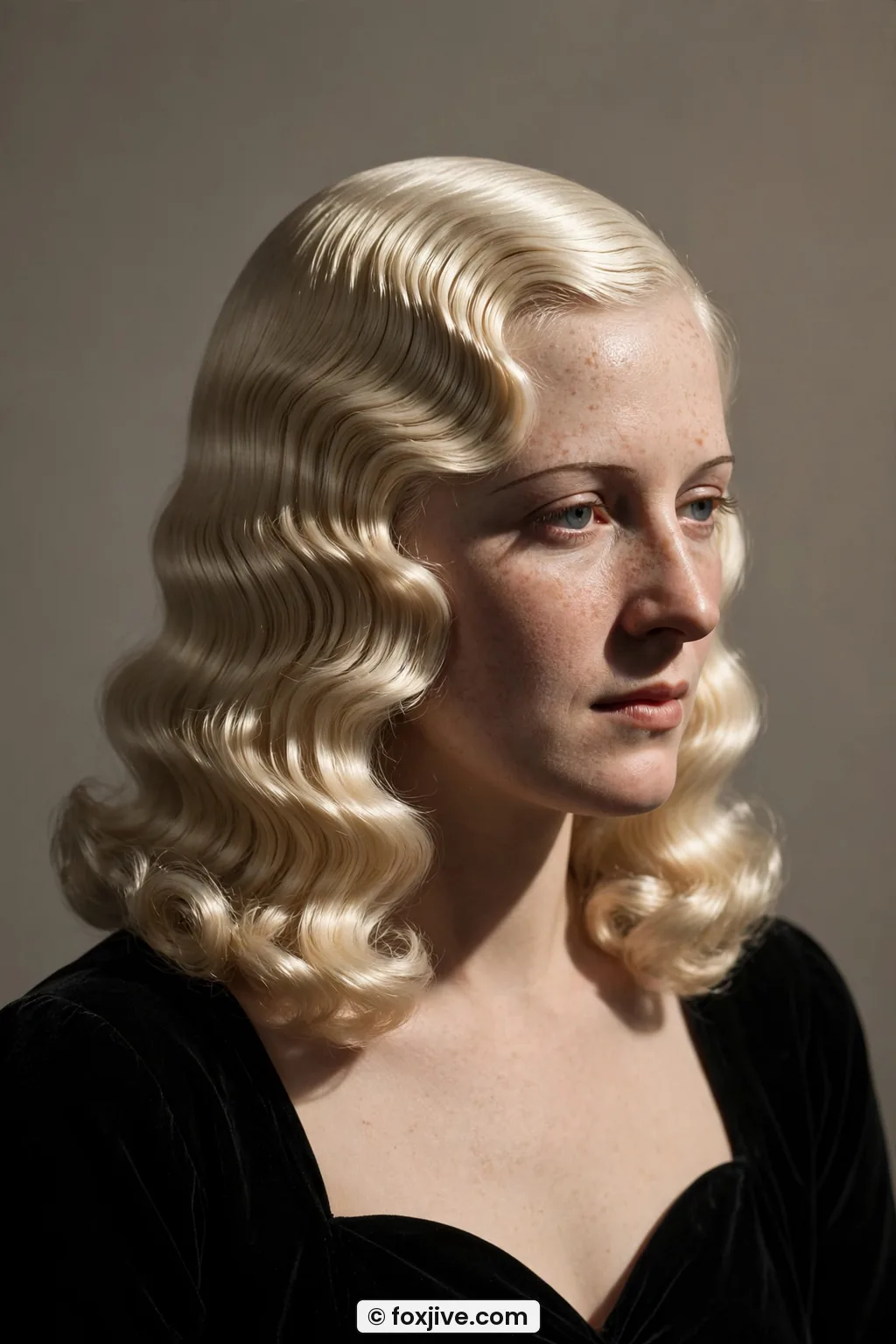
She has that early-30s grown-out length I keep talking about. See how it hits just below her ear but still hugs close at the side? That in-between length is the whole story of 1930 to 1933.
Jean Harlow pushed it in the other direction. She bleached to that infamous platinum blonde in 1931 for Hell’s Angels, then kept it sleeked into tight, gleaming waves for Platinum Blonde and Red-Headed Woman. Women copied her with peroxide and, honestly, ruined their hair in droves. You can read about how stylists now protect that kind of color when you read up on caring for platinum blonde before you ever lift that high, because the chemistry has not changed as much as we like to pretend.
For a fuller picture of the flapper cut that started it all, I often send friends to the real story behind 1920s hair. You cannot understand why the 1930s grew it out without seeing how short it had been.
1934 to 1939: Old Hollywood Takes Over
Did everyone in the 1930s really have finger waves?
No, and this is where I get a little opinionated. Finger waves were the salon poster look, but most working women I see in street photos from 1935 to 1938 wore a plain, low, side-pinned wave with the ends turned under. Finger waves photographed beautifully, but they took an hour and flaked if you touched them. My attempt lasted about three hours before the front lifted in the Chicago wind. Real life was softer and a bit messier.
So who actually defined the late-30s look?
Hollywood, without question. By 1934 the Production Code had cleaned up screen content, and studios leaned hard into glamour as escapism. Max Factor was powdering faces for panchromatic film, and hair had to read as shiny, controlled, and touchably feminine on a small, flickery screen. That meant sculpted waves that caught a single hard light.
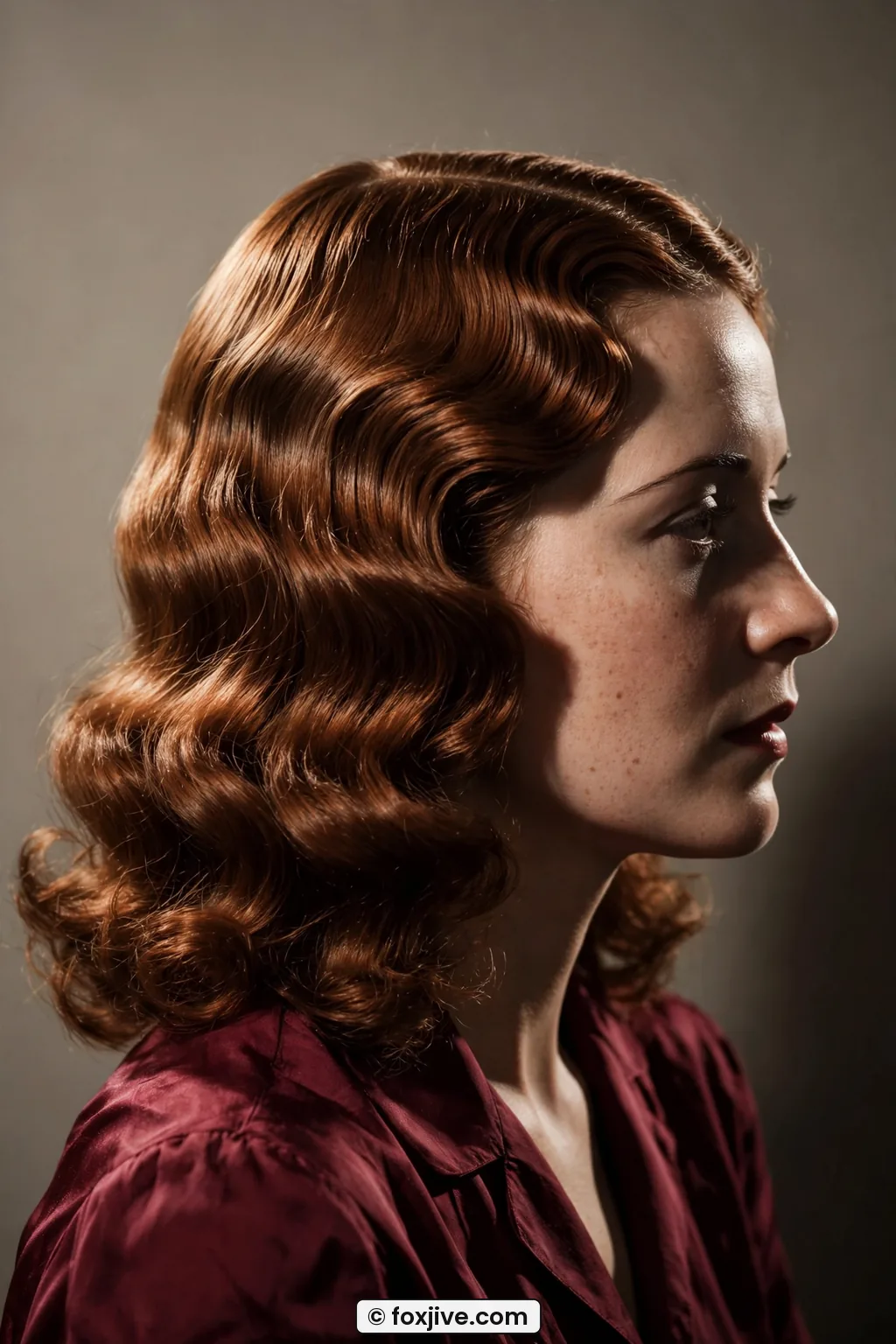
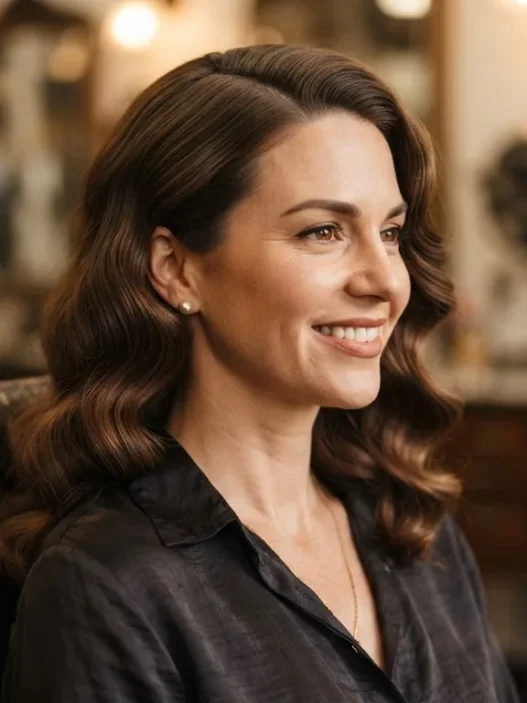
Look at how she is wearing hers here, that deep side part with a wide, glassy wave breaking right at the cheekbone. This is the length I am talking about. See how it just brushes her collarbone in front but stays tucked and narrow at the back?
Myrna Loy is my personal north star for this period. As Nora Charles in The Thin Man from 1934 onward, she wore a mid-neck, full-sided style with a low side part and waves that rolled outward, not inward. It looked modern, witty, grown-up. Claudette Colbert, with that famous round face, wore hers swept diagonally across the forehead to lengthen it, usually with one eye half-shadowed by hair. And Marlene Dietrich shellacked everything into precise, almost metallic ripples that aligned perfectly with her cheekbones.
The technique mattered as much as the stars. The Marcel iron, perfected in the 1920s, was still in every shop, but pin curls took over at home because they were heat-free and could be slept in. You set damp hair in flat, overlapping circles, clipped them, slept on a pillow that felt like rocks, and brushed out a soft, unified wave in the morning. Anyone curious about heat-free setting should look at guides to overnight pin curl waves before trying a full head, because direction and tension change everything.
I will say it plainly: late-30s Hollywood waves look better a touch imperfect. Too-perfect ridges read costume to me. A slightly brushed-out, lived-in wave reads woman.
That is my slightly controversial take, and I stand by it. When I see a beautiful vintage wedding guest with crunchy, helmet-hard ridges, I want to hand her a soft-bristle brush and tell her to break them up. The original stars did. Their publicity stills were shellacked, but in motion their hair moved.
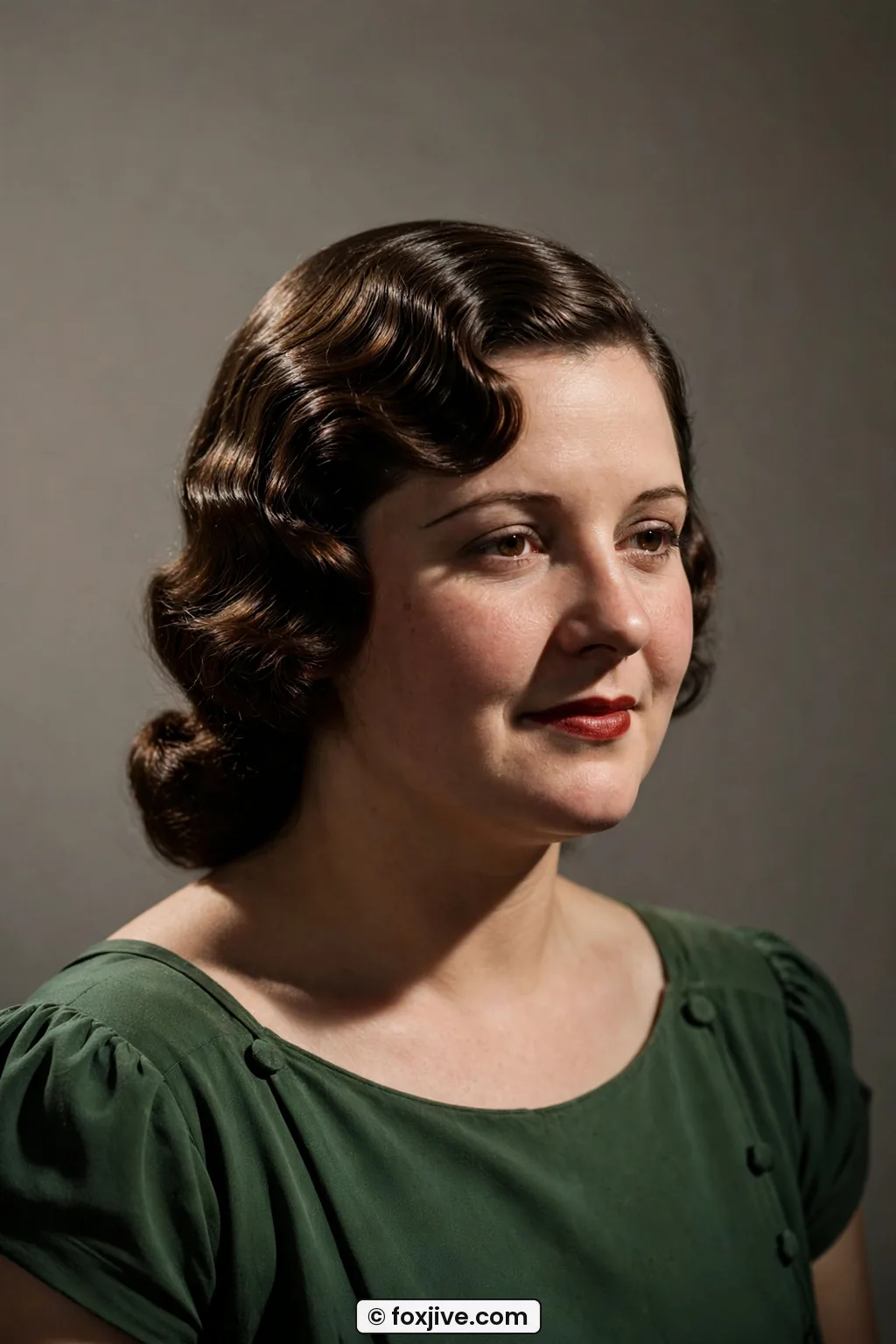
She has got a similar face shape to mine, rounder through the cheeks, and honestly this cut looks incredible on her. Notice how the wave lifts up and away from the face instead of collapsing inward.
See Finger Waves Done By Hand
What Killed It Around 1942
It was not changing taste that ended the 1930s silhouette. It was war work versus movie glamour, practicality versus polish.
Think of it as a side-by-side. The 1930s ideal was short to mid-neck, close at the crown, heavily controlled, with a low side part and waves that lay in a single plane. The early-1940s ideal, driven by factory work and longer hours, needed hair up and out of machinery. Women grew it out, rolled the front for height, and snooded or turbanned the back.
By 1941 to 1942, Veronica Lake dropped that famous peek-a-boo wave over one eye, long and loose and undeniably sexy. The government actually asked her to pull it back in 1943 because women operating lathes were copying her and getting hair caught. That request marks the break for me better than any date. The flat, side-hugging 1930s head gave way to lifted, higher, more voluminous shapes with visible height on top.
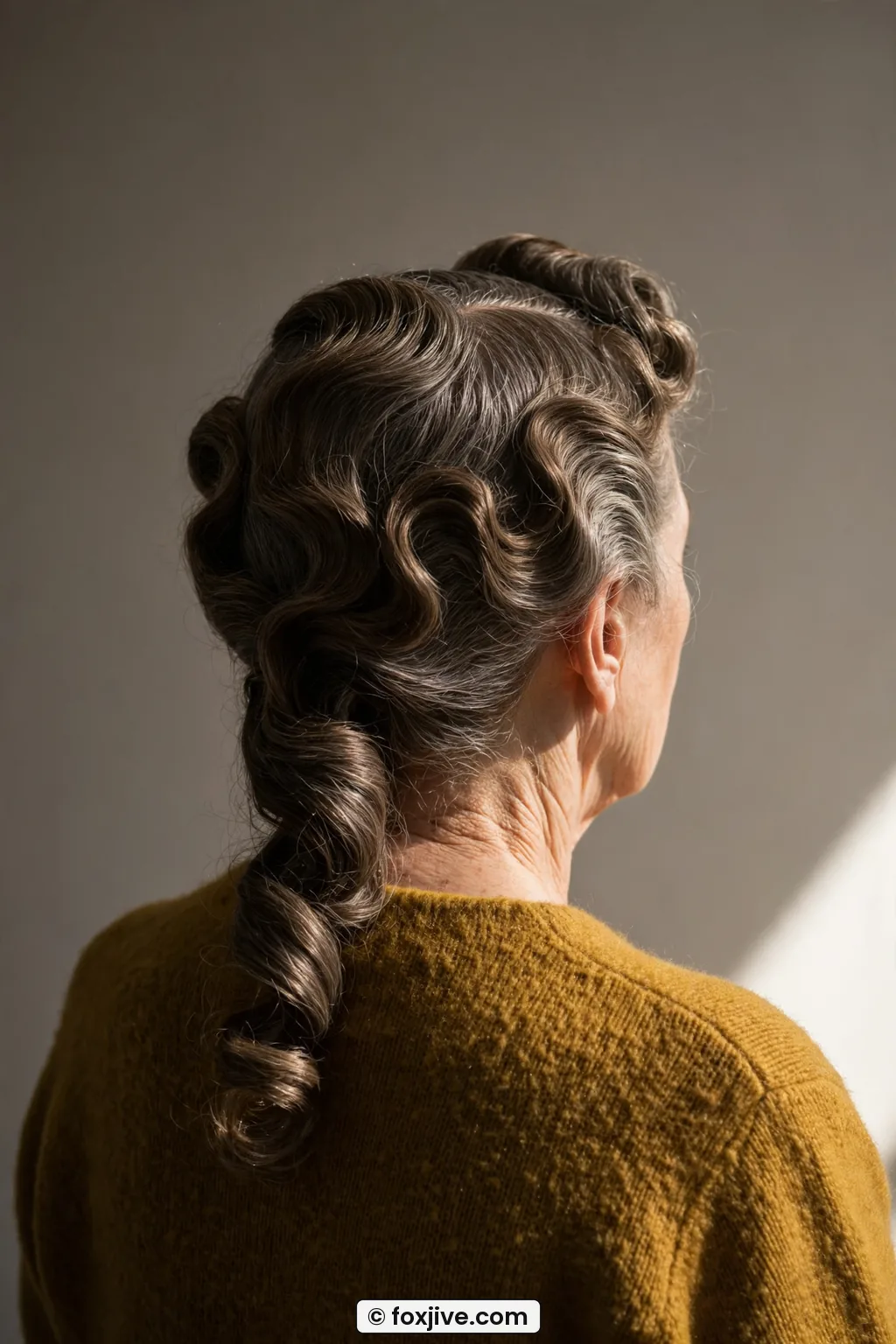
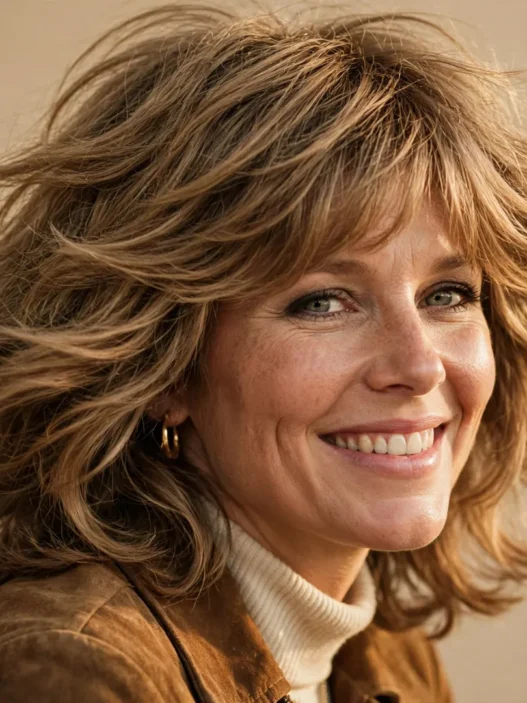
This is the exact turning point in one portrait. Her front still has that glassy 30s wave, but the back has height and air underneath it. You can feel the 40s coming.
Rationing finished the job. Setting lotion, bobby pins, and permanent-wave solution were harder to get. Home pin curls persisted, but the daily finger-wave appointment vanished. Hair got longer because cuts were less frequent. Hats and 1950s hairstyles would later bring back high polish, but with a completely different foundation, more height, more backcombing, more spray.
There is also a quieter, sadder factor I rarely see mentioned. A lot of the great European hairdressers who invented the look, Antoine among them, lost their salons or their clientele during the war. The chain of apprenticeship broke. Postwar stylists learned roller sets and cold waves, not hand-waving with a comb and fingers. You can learn the finger technique again from modern breakdowns of finger wave styling when you practice on a doll head first, which is what I did for a week straight.
What Survived Into Now
So what actually lived? More than you would think. When I wear a vintage-inspired style today in 2026, I am usually wearing a 1930s idea without realizing it.
The deep side part never left. Red carpets still run on it. The soft, brushed-out Hollywood wave you see on every awards show is a direct descendant of Myrna Loy in 1936, just done with a large curling iron and a wide-tooth comb instead of clips and lotion. Even the sleek, wet-look bob that pops up every fall is finger-wave logic with gel.
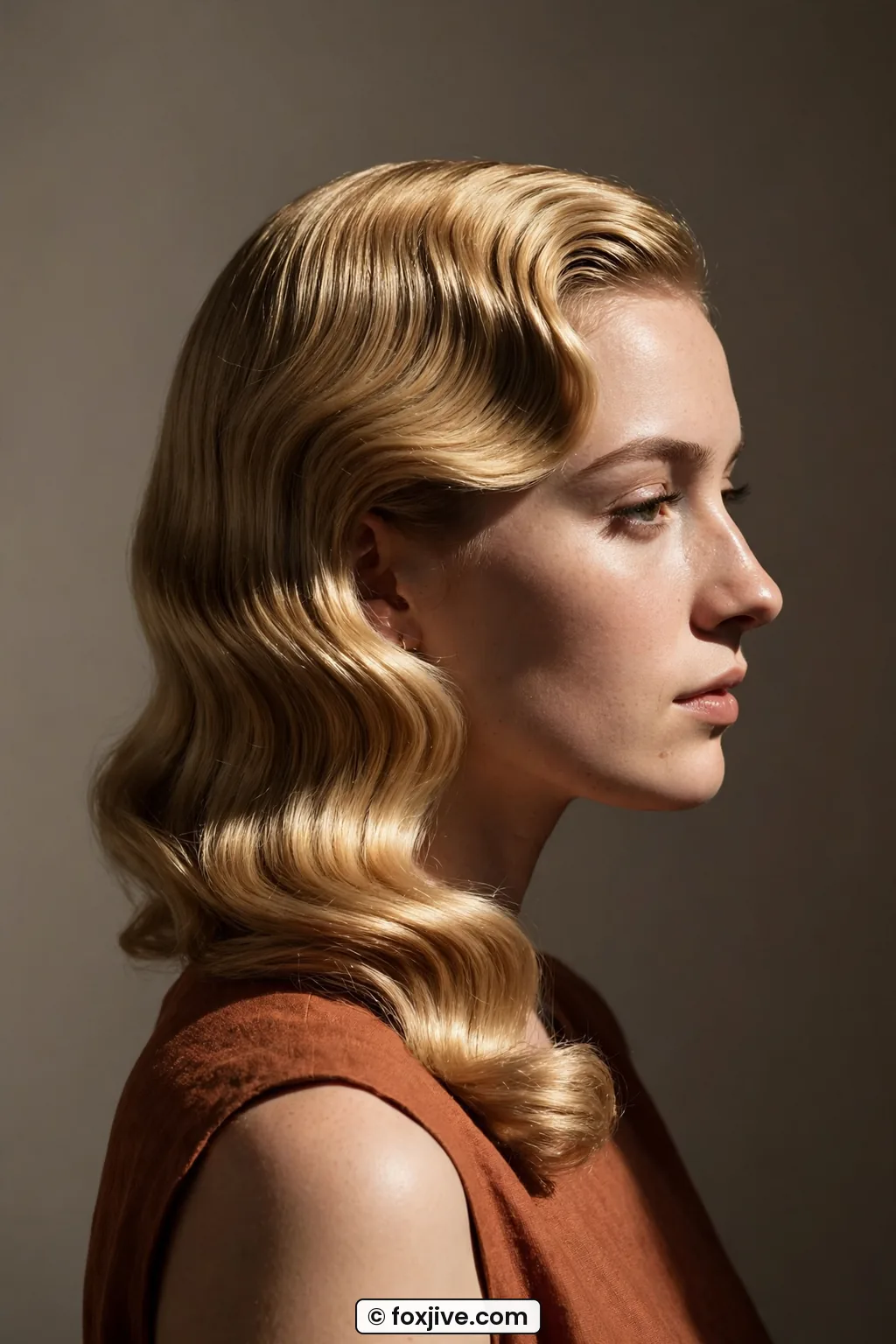
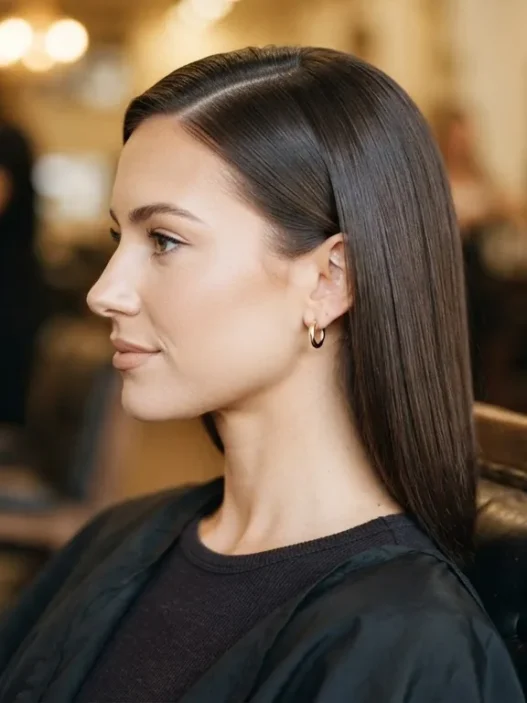
She is wearing the modern version so well. That low, glossy side sweep with clean edges? I would wear that to dinner tomorrow and no one would call it costume.
If you love untangling one decade from the next, telling the decades apart in 80s hair is a fun companion read, and for the inventor-obsessed side of this story do not miss who invented 1920s hair, and why. Seeing how often we credit the wrong person keeps me humble about all my hair history opinions.
When I tried a full 1930s set last spring for a photo shoot, I learned three practical things. One, short to medium hair works best. You cannot fake that flat crown with very long layers. Two, direction matters more than product. Every row must go the same way or you get a zigzag. Three, brush it more than feels safe. I brushed mine for a full five minutes until I panicked, then it finally melted into that rippled ribbon I wanted.
My 1930s Hair Questions, Answered After Trying It
How long was real 1930s hair?
Mostly mid-neck to jaw-length in the early 30s, growing to collarbone in the late 30s. Truly long hair was usually pinned under to fake a bob. If your hair is past your shoulders, pin the ends under first and then wave the top.
Are finger waves or pin curls easier for beginners?
Pin curls, by a mile. Finger waves need very wet hair, strong hold, and a steady comb hand. I practiced pin curls three times and got a wearable wave. Finger waves took me two weeks to get even.
Can fine hair hold this style?
Yes, and sometimes better than thick hair because it lies flatter at the crown. Use a light mousse on damp hair and small sections. Thick hair needs more clips and a stronger setting lotion to keep that close fit.
What is the fastest modern shortcut?
A deep side part, a 1-inch iron curled all in the same direction, then a thorough brush-out with pomade smoothed over the top. It gives you about 80 percent of the look in 15 minutes. Not historically perfect, but very pretty.
I still keep a photo of that first failed wedding-hair attempt on my phone. It reminds me that decades are not costumes, they are solutions to real problems like money, work, and growing-out bangs. And honestly? I am still chasing that perfect, light-catching ripple. See you at the mirror.